
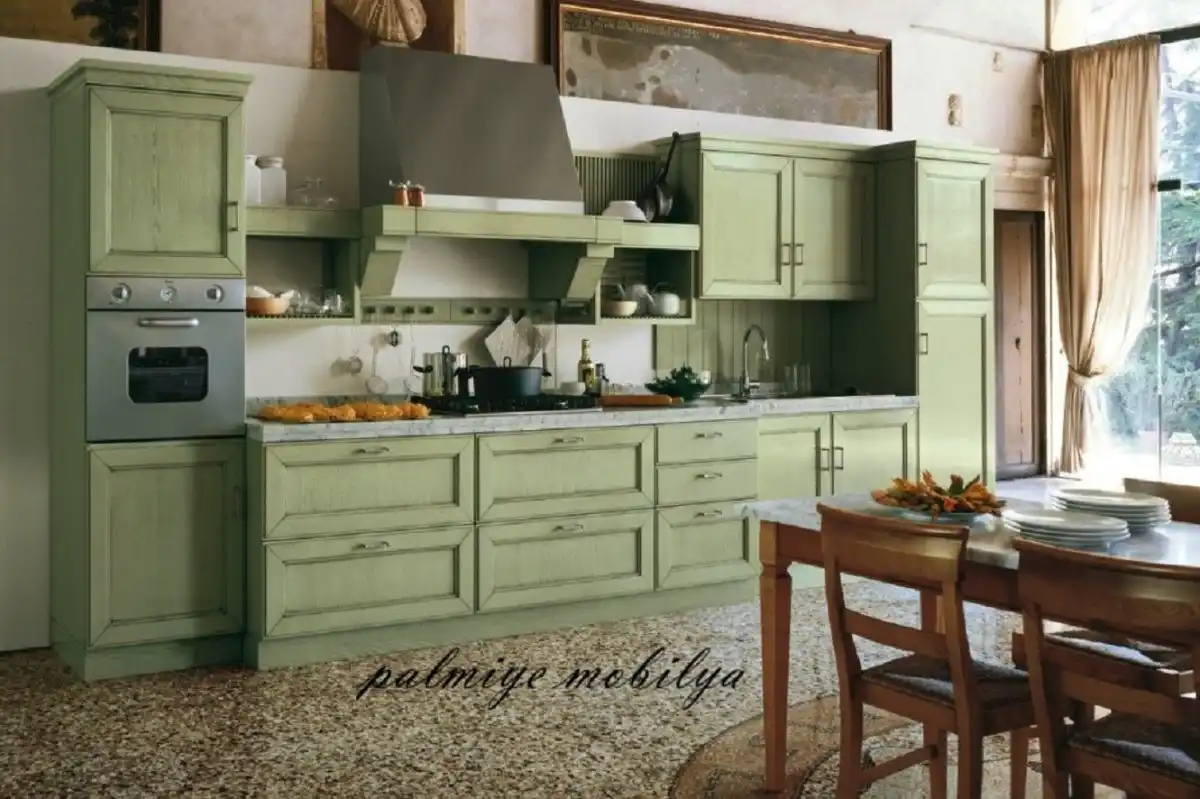
Small Bathroom Cabinets Turkey
Small Bathroom Cabinets Turkey: The Definitive Engineering, Material Science, and Sourcing Guide for High-Humidity Compact Storage Solutions
Maximizing spatial utility while preserving high aesthetic standards within a restricted, high-humidity architectural footprint is one of the most critical challenges in contemporary residential design. As urban real estate floor plans contract globally, the bathroom has transitioned from a purely utilitarian washroom into a compact, spa-like sanctuary. At the center of this spatial transformation is the necessity for highly specialized, water-resistant, and ergonomically optimized cabinetry.
Turkey has positioned itself as a global manufacturing powerhouse for this sector. The country blends advanced polymer surface technologies, Italian-inspired minimalist design, and highly automated German woodworking engineering to create space-saving storage systems. This technical guide provides an exhaustive analysis of the design methodologies, material engineering, hardware physics, and international procurement structures underlying Small Bathroom Cabinets Turkey systems.
Whether you are a commercial procurement manager sourcing for a 500-unit hospitality development, an interior architect detailing a luxury micro-apartment, or a global furniture distributor looking to build a high-turnover retail inventory, this masterclass covers every technical dimension required to optimize compact bathroom design and execution.
1. The Micro-Bathroom Paradigm: Ergonomic and Environmental Challenges
Designing cabinetry for a small bathroom requires an entirely different engineering mindset than designing for kitchens or living spaces. The small bathroom is a hostile physical environment characterized by rapid micro-climatic shifts, high concentrations of airborne moisture, direct water exposure, and severe spatial constraints.
Kitchen Cabinet Design Focus:  Linear Workflow --> High Kinetic Mass --> Expansive Volume
Bathroom Cabinet Design Focus: Thermo-Water Isolation --> Anti-Corrosion Hardware --> Hyper-Compact Footprint
The Spatial Constraints of Compact Bathrooms
In tight residential layouts, the bathroom footprint is often compressed down to 3 to 5 square meters. Within this envelope, cabinetry must navigate fixed plumbing infrastructure, structural waste stacks, structural walls, and code-mandated clearance zones around toilets and bidets.
- The Clearance Bottleneck: Standard swing doors on floor-standing cabinets frequently collide with adjacent sanitary ware or entry doors.
- The Sinking Footprint: Floor-standing vanity units occupy critical tile real estate, making small bathrooms feel dark, cluttered, and incredibly difficult to clean thoroughly.
Environmental Stressors: Humidity, Vapor, and Hydrostatic Shifts
A small bathroom can experience a relative humidity shift from 40% up to 100% within a 15-minute showering cycle.
- Vapor Penetration: Water vapor penetrative forces find the smallest microscopic gaps in edge-banding glues or lacquer primers. Once moisture penetrates the substrate, standard wood fibers swell, causing irreversible bubbling, delamination, and structural degradation.
- Thermal Expansion: Rapid shifts from hot water steam to cold ventilation air create structural stress across the surface layers of the cabinet front panels, leading to premature micro-cracking if the coating material lacks elastic polymers.
The Turkish Manufacturing Mandate
The Small Bathroom Cabinets Turkey sector has addressed these environmental and ergonomic challenges by shifting production away from standard furniture metrics toward specialized marine-grade and thermo-isolated material engineering. By combining high-density cores with zero-joint edge seals, Turkish factories produce compact cabinetry that withstands intense humidity cycles while maximizing every cubic centimeter of available storage.
2. Material Science and Substrate Engineering for High-Humidity Zones
The absolute foundational element of any bathroom cabinet is its core substrate. Specifying the incorrect core material will guarantee product failure within 12 to 24 months of operational exposure. When evaluating Small Bathroom Cabinets Turkey options, manufacturing specifications distinguish strictly between three primary core typologies.
Core Substrates: Breaking Down Mechanical and Water Performance
1. Green MDF / Moisture-Resistant MDF (MR-MDF)
Unlike standard MDF, moisture-resistant MDF (often dyed green internally for rapid industrial identification) is formulated by blending hydrophobic paraffin waxes and specialized Melamine-Urea-Formaldehyde (MUF) resin networks directly into the wood fiber slurry prior to high-pressure pressing.
- Density Range: 760 kg/m³ to 820 kg/m³, providing superior structural screw-holding capacity.
- Thickness Swelling Efficiency: Under standard EN 317 testing protocols (which measure panel thickness swelling after a 24-hour total immersion in water), premium Turkish MR-MDF exhibits a swell rate of less than 5%, compared to over 15% found in standard particleboards.
2. Compact Laminate (Phenolic Resin Panels)
For the ultimate high-end specification where absolute waterproof performance is mandatory, Turkish manufacturers utilize compact laminate panels.
- The Composition: Multiple layers of kraft paper impregnated with synthetic phenolic resins, topped with a decorative paper face layer, and fused under extreme heat (150°C) and high pressure (up to 9 MPa).
- Water Absorption: Virtually 0%. Compact laminate is entirely impervious to water, steam, mold, and rot. It is typically specified in slim 10mm or 12mm profiles for minimalist, ultra-durable vanity tops or floating open shelf systems.
3. Marine-Grade Plywood (WBP Core)
Utilized by high-end bespoke workshops in the Istanbul and Izmir clusters.
- The Engineering: Cross-laminated veneers of high-quality hardwoods bonded using Weather and Boil Proof (WBP) phenol-formaldehyde adhesives. This ensures that even if direct water leaks occur under the basin, the plywood plies cannot delaminate or compromise the structural squareness of the vanity box.
Comparative Substrate Performance Matrix
| Material Substrate | Volumetric Density (kg/m³) | EN 317 Swell Rate (24hr) | Relative Structural Cost | Primary Application |
|---|---|---|---|---|
| Standard MDF | 680 – 720 | 12% – 18% | Baseline | Dry residential zones only |
| Green MR-MDF | 760 – 820 | < 5% | Moderate | Vanity carcases and door fronts |
| Marine Plywood | 550 – 650 | < 2% | High | Premium bespoke wet units |
| Compact Laminate | 1350 – 1450 | 0% | Premium | Waterproof worktops and linings |
3. Surface Finishing Technologies: Achieving Complete Moisture Isolation
A premium core board is only as safe as its exterior envelope. The surface finish applied by automated production lines determines both the final optical quality of the small bathroom cabinet and its ability to repel direct liquid ingress.
1. Multi-Coat Polyurethane Lacquering (PU Paint)
Lacquering represents the pinnacle of seamless surface customization within the Small Bathroom Cabinets Turkey industry.
- The Industrial Process: Automated multi-axis spray booths apply a minimum of two coats of heavy polyurethane water-blocking primers, followed by multi-stage sanding to achieve an absolute flat plane. Finally, two or more coats of color-pigmented topcoats are applied, followed by a dedicated acrylic clear protective top layer.
- The Seamless Envelope: Because lacquer is applied as a liquid spray, it wraps continuously around edge contours and pre-routed handleless J-profiles. This completely eliminates any visible joints or edge seams, creating a continuous, monolithic shield that moisture cannot penetrate.
- Gloss and Matte Options: Available from ultra-deep matte (under 5 Gloss Units with anti-fingerprint properties) to mirror-like high gloss (exceeding 95 Gloss Units achieved through robotic mechanical buffing).
2. Thermo-Plastic 3D Vacuum Foil Membranes (PVC/PET)
For high-volume commercial developments where price-point optimization is paramount, vacuum membrane technology provides exceptional cost-to-performance metrics.
- The Technology: A single sheet of high-grade Polyvinyl Chloride (PVC) or Polyethylene Terephthalate (PET) foil is positioned over an MDF door panel that has been pre-coated with heat-activated polyurethane adhesive. The assembly is placed inside a heavy industrial vacuum press, where intense heat and pneumatic vacuum force draw the elastic foil perfectly into every routed grove, corner radius, and edge detail.
- Water Isolation: Like lacquer, 3D vacuum wrapping covers the front face and all four outer edges of the door panel using a single piece of foil. There are no edge-banding joints on the face of the door, making it highly resilient against dripping water from the basin above.
3. PUR-Bonded Acrylic (PMMA) Panels
- The Engineering: High-gloss or deep matte acrylic sheets are laminated to MR-MDF cores using Polyurethane (PUR) hot-melt adhesives.
- The PUR Advantage: Unlike traditional EVA glues that melt at moderate temperatures and dissolve when exposed to continuous moisture, PUR glues undergo a chemical cross-linking reaction as they cure, bonding with atmospheric moisture to form an indestructible, waterproof, and heat-resistant crystalline glue line.
4. Architectural Typologies: Optimizing Footprints and Sightlines
When selecting Small Bathroom Cabinets Turkey configurations, architects and interior designers must balance floor area preservation with storage capacity. The architectural typology selected dictates how the entire room is perceived.
Typology A: Wall-Hung (Floating) Vanity Systems
The wall-hung vanity is the undisputed industry standard for contemporary small bathroom architecture.
Floor-Standing Vanity:   [Cabinet Base] touches [Floor Tiles] = Blocks Sightlines, Compresses Space
Wall-Hung Floating Vanity: [Cabinet Base] suspended [300mm Clear Space] over [Floor Tiles] = Expands Sightlines
- Spatial Visual Expansion: By keeping the floor tiles completely visible all the way to the back wall, human spatial perception is altered, making a cramped bathroom feel substantially larger.
- Ergonomic Cleansability: Eliminating legs and base plinths removes dark corner junctions where stagnant washwater, hair, and dust accumulate, allowing for efficient floor mopping or the unhindered operation of robotic vacuum systems.
- Structural Anchorage Demands: Floating units place severe leverage strain on wall structures. High-end Turkish manufacturers integrate heavy-duty, three-way adjustable steel wall hanging brackets (such as Camar or Camar-grade hardware systems). These brackets mount directly inside the cabinet carcass corners, anchoring into solid masonry or reinforced timber wall studs to support static weight loads exceeding 150 kg.
Typology B: Slim-Depth and Recessed Units
- Reduced Footprint Specification: Standard bathroom vanities feature a depth of 450mm to 550mm. For narrow guest bathrooms or micro-studios, Turkish engineering lines produce specialized slimline modules with a total structural depth of only 300mm to 380mm.
- Asymmetric Sink Integration: To maintain functional hand-washing capability within a 300mm deep cabinet envelope, the cabinetry is paired with custom asymmetric ceramic or composite stone washbasins where the faucet hole is offset to the far left or right side, preventing the basin bowl from becoming too narrow.
Typology C: Vertically Stacked High-Tall Cabinets (Pantry Columns)
When horizontal wall space is entirely occupied by the toilet and vanity basin, design logic dictates that storage must expand vertically.
- The 300mm Column: High-tall storage towers measuring just 300mm wide, 300mm deep, and up to 1800mm high are designed to stand alongside mirrors or sit inside narrow wall niches.
- Internal Distribution: These units incorporate a mix of adjustable glass shelving, concealed laundry drop hampers with integrated canvas bags, and shallow push-to-open drawers for cosmetics storage.
5. Kinetic Hardware and Specialized Internal Mechanisms
A bathroom cabinet operates dynamically through its hinges, drawer rails, and internal organizational systems. Because these metal components operate in a corrosive, saline-moisture environment, the quality of their metallurgical composition is just as critical as the wood panels.
Corrosion-Resistant Hinge and Runner Metallurgy
Standard furniture hardware degrades rapidly when exposed to continuous steam, forming red iron oxide rust that jams internal hydraulic dampers.
- Anti-Corrosion Plating: The hardware integrated into premium Small Bathroom Cabinets Turkey collections features heavy-duty multi-layer electroplating. This typically includes a copper base coat, a structural nickel layer, and a final protective chrome passivation coating that complies with international salt spray testing standards (e.g., EN ISO 9227).
- Integrated Hydraulic Soft-Close: Soft-close mechanisms prevent doors from slamming against delicate ceramic basin rims, protecting both the ceramic glazing and the cabinet carcass framework from micro-fractures over thousands of cycles.
Space-Saving U-Shaped Drawer Runner Engineering
The primary challenge of a vanity drawer is navigating the physical presence of the basin drain pipe and P-trap assembly underneath the sink grid. Far too often, builders cut crude, unsealed rectangular holes into standard drawer bottoms on-site, destroying the warranty and opening a direct pathway for moisture penetration.
Countertop Line
=========================================================
[ Basin Sink ]
     ||
     || <-- Siphon Pipe / P-Trap Insertion Zone
     \/
---------------                   -----------------------

| Left Basket |=== [U-Cut Bridge] ===| Right Basket Storage |
| Storage     |                      |                      |
-------------------------------------------------------------
- Factory-Milled U-Drawers: Turkish suppliers manufacture custom, factory-finished U-shaped drawer boxes. The drawer bottom and back panels are structurally looped around a center plastic or metal shroud that encapsulates the plumbing line completely.
- Slim Metallic Double-Wall Rails: Utilizing ultra-thin steel drawer sides (such as Samet Flowbox or premium European lines) provides a wall profile thickness of only 12.8mm. This saves essential storage width inside narrow cabinet configurations, ensuring even a 500mm wide vanity drawer offers significant usable volume.
- Full Extension Over-Travel Rails: Drawer runners extend completely out past the countertop edge. This is crucial for small vanity units, allowing the user to look directly down into the drawer compartments without having their view blocked by the protruding basin overhang.
6. Mirror Cabinets and Integrated LED Smart Architecture
In a small bathroom layout, the area above the washbasin must perform triple duty as a high-fidelity reflective surface, a primary lighting source, and a high-density medicine storage container. The combination mirror-cabinet module is a masterclass in spatial efficiency.
Structural Framework of Modern Mirror Cabinets
- Double-Sided Mirror Doors: Turkish mirror cabinet modules feature double-sided mirror leaves mounted on specialized 110-degree soft-close hinges. This allows the user to view the back of their head comfortably while grooming, and keeps the reflective surface active even when the cabinet door stands open.
- Internal Glass Shelving: Utilizing 4mm or 6mm thick tempered safety glass shelving allows light to pass vertically through the entire interior of the upper cabinet box, ensuring items stored on lower tiers are not lost in shadow. The glass shelves rest on lock-in-place steel support pins that prevent the shelves from shifting or sliding if accidentally bumped during frantic morning routines.
Photometric Integration and Smart Control Architecture
Modern bathroom specifications demand the seamless integration of solid-state LED illumination arrays directly into the cabinet manufacturing line.
[Mains 220V Input] -> [IP44 Isolated LED Driver] -> [Touch-Capacitive Sensor] -> [Variable CCT Light Strip]
- IP44 Moisture Protection Ingress Standards: All electronic components, internal wiring tracks, step-down LED drivers, and touch switches integrated into Small Bathroom Cabinets Turkey models are strictly certified to IP44 or higher moisture-ingress protection standards. This certifies that the electrical system is entirely safe against water splashing from any direction.
- Variable Correlated Color Temperature (CCT): Integrated LED strips feature dimmable dual-chip architectures, allowing users to toggle between cool functional daylight (4000K–6500K) required for precision makeup application or shaving, and warm ambient light (2700K–3000K) intended for relaxing evening baths.
- Concealed Internal Shaver/Charging Sockets: Power outlets are integrated directly inside the upper mirror cabinet interior, allowing electric toothbrushes, shavers, and trimmers to remain plugged in and charging out of sight, keeping the limited countertop surface clean and uncluttered.
- Integrated Defogger Heat Mats: Ultra-thin carbon-fiber resistance heating pads are laminated directly to the reverse side of the mirror face glass. When activated, the mat raises the glass surface temperature slightly above the ambient room dew point, completely eliminating steam fogging during hot showers.
7. The Turkish Industrial Landscape: Advanced Scale and Global Agility
Turkey has established itself as an agile manufacturing giant within the global furniture and sanitary ware sectors. The nation’s unique geographical positioning and extensive industrial infrastructure offer significant logistical and operational advantages to B2B buyers.
Major Industrial Production Clusters
The production of Small Bathroom Cabinets Turkey lines is concentrated within several major industrial mega-clusters:
- İnegöl / Bursa: The historical furniture capital of Turkey. This region is home to a highly dense supply chain ecosystem where raw panel mills, specialized paint processors, chemical resin plants, and automated assembly operations run in immediate geographical proximity.
- Kayseri: An industrial manufacturing cluster designed for high-volume modular production. Factories here span tens of thousands of square meters, processing massive real estate development orders with rapid turnaround schedules.
- Istanbul & Kocaeli Regions: Focus heavily on high-end contemporary design, cutting-edge micro-matte polymer integration, smart LED electronic layouts, and high-degree architectural personalization.
Manufacturing Technology and Advanced Automation Standards
Walking onto the factory floor of a tier-one Turkish bathroom cabinet producer reveals an automated infrastructure that rivals the top facilities in Germany or Italy:
- Automated Storage and Panel Management Systems: Raw moisture-resistant panels are tracked and fed into the production matrix using robotic overhead vacuum crane arrays, minimizing forklift damage and maximizing efficiency.
- Multi-Axis CNC Nesting and Routing: Boards are cut, drilled for hinge plates, and detailed using continuous CNC setups. This sub-millimeter manufacturing tolerance ensures that every floating wall bracket alignment hole matches exactly when components arrive at a construction site across the globe.
- Zero-Joint Hot-Air and Laser Edge-Banding Systems: To prevent moisture from entering the core, factories use edge-banders that melt a functional layer on the back of the ABS edge band via laser or superheated air. This fuses it directly to the wood core, forming a seamless joint that resists water and steam infiltration.
[Robotic Panel Selection] -> [CNC Drilled Pilot Paths] -> [Laser Fusion Edge-Banding] -> [Automated Quality Inspection Check]
Global Certifications and Regulatory Compliance
Turkish manufacturers producing for export operate under strict international regulatory compliance frameworks:
- CE Mark Certification: Guaranteeing that all integrated lighting, heating mats, and charging electronics comply with stringent European Union health, safety, and environmental protection legislation.
- TS EN 14749: The official domestic storage safety standard governing structural load-bearing parameters, stability metrics, and structural resistance to tipping or mechanical collapse under weight.
- FSC (Forest Stewardship Council) Verification: Certifying that all timber fibers utilized within the high-density MR-MDF panels are sourced from traceably audited, sustainably managed eco-forest reserves.
- E1 and E0.5 Formaldehyde Standards: Ensuring minimal volatile organic compound (VOC) outgassing, preserving strict indoor air quality indexes inside tight, unventilated bathroom spaces.
8. Procurement Analysis, Cost Matrix, and Strategic Sourcing Value
For global real estate procurement directors, hotel renovation managers, and wholesale importers, sourcing Small Bathroom Cabinets Turkey selections offers an elite value proposition by balancing western European design metrics with competitive structural manufacturing costs.
B2B Strategic Cost Matrix Breakdown
Understanding the operational allocation of costs within a bathroom cabinet production line allows procurement managers to balance specifications to hit targeted project budgets without risking performance failures.
[Moisture-Resistant Core Substrate: 20%] + [Advanced Exterior Surface Finish: 35%] + [Corrosion-Protected Hardware: 30%] + [Logistics & Protection: 15%] = 100% Total Sourcing Cost
- Finishing Optimization: While a six-sided multi-coat polyurethane lacquered floating vanity stands at the top tier of custom pricing, volume developers can optimize budgets by selecting high-gloss or deep-matte PET anti-fingerprint vacuum-wrapped fronts combined with PUR-glued carcasses. This preserves the essential water-barrier envelope while reducing labor cycle times.
- Hardware Tiering: Specifying high-capacity, nickel-passivated full-extension undermount rails for main vanity drawer configurations guarantees a long service life where it matters most, while non-sprung push-to-open latch systems can be integrated into high-tall side towers to optimize total project hardware expenditure.
The Turkish Supply Chain Competitive Advantage
- Lower Total Operational Overhead: Turkey maintains highly competitive labor, energy, and facility overhead costs relative to Western Europe. These systemic operational savings translate into competitive per-unit wholesale costs for international purchasing groups.
- Total Vertical Supply Integration: Turkey does not import raw wood panels or chemical finishing primers. Major local chemical and timber conglomerates (such as Kastamonu Entegre and Yıldız Entegre) produce high-density raw materials directly inside the country. This limits factory exposure to global trade disruptions and protects pricing matrices from international shipping volatility.
- Currency Conversion Multipliers: The commercial valuation of the Turkish Lira against the US Dollar and Euro provides substantial purchasing power leverage for international sourcing groups executing volume procurement contracts.
9. Logistical Engineering and Protective Export Packaging
Transporting delicate, pre-assembled vanity units and highly fragile mirror components across oceans and continents requires specialized packaging design to ensure zero damage upon delivery at the construction job site.
Comprehensive Multi-Layer Export Packaging Protocols
Turkish export logistics teams pack bathroom cabinetry to meet rigorous global transport safety testing standards (e.g., ISTA packaging guidelines):
[Cabinet Component Core] -> [Micro-Foam Wrap Layer] -> [High-Density EPS Corner Bumpers] -> [5-Ply Corrugated Outer Box] -> [Palletized Shrink Encapsulation]
- Micro-Foam Surface Interleaving: Every finished front panel face (especially ultra-delicate high-gloss acrylic or deep matte lacquers) is completely interleaved with an anti-static micro-foam sheet to eliminate vibration-induced friction scratches during maritime or overland freight transit.
- High-Density EPS (Expanded Polystyrene) Corner Protectors: Molded foam block corner guards are applied to all outer points of the cabinet carcass. This creates a dedicated impact absorption cushion that shields vulnerable cabinet corners from drops or sudden shifting during heavy container handling.
- Heavy Duty 5-Ply Corrugated Boxing: Packaged components are sealed inside moisture-treated, heavy-grade 5-ply corrugated cardboard shipping boxes that resist collapsing under stacking pressures inside high-cube cargo containers.
- Vacuum Heat-Shrink Wrapping and Palletization: Boxes are securely stacked on reinforced wooden pallets, corner-reinforced with thick structural cardboard L-bars, and wrapped in heavy industrial plastic shrink film. This isolates the wood panels from high marine atmospheric humidity and salt-air corrosive elements during extended oceanic sea routes.
Geographical Proximity and Global Transit Timelines
Turkey’s logistical infrastructure serves as an efficient gateway to major global consumer markets:
- Continental Europe Overland Road Distribution: Sourced cabinetry shipments from industrial hubs like Bursa or Istanbul can arrive via direct trucking fleets to central European distribution terminals (e.g., Germany, France, Austria) within 4 to 7 days, providing fast door-to-door delivery that completely bypasses congested maritime ports.
- Deep-Water Maritime Freight Channels: Major container ports like Ambarlı (Istanbul), Izmir, and Mersin operate weekly scheduled container vessel sailings. Average maritime transit times to the United Kingdom range between 10 to 14 days, while transit to the East Coast of the United States averages 18 to 24 days, allowing developers to run leaner supply schedules than trans-Pacific routing options allow.
10. Technical Installation Methodology and Long-Term Field Maintenance
The ultimate success of a Small Bathroom Cabinets Turkey installation relies on precise execution during the final centimeter of on-site structural assembly. In a restricted bathroom footprint, even a minor installation deviation will cause drawer binding, hardware misalignment, and potential moisture management vulnerabilities.
Step-by-Step Professional Calibration and Anchorage Sequence
Phase 1: High-Precision Wall Structural Auditing and Marking
- Laser Baseline Mapping: Installers must map out the target bathroom wall utilizing a self-leveling 360-degree cross-line laser array. Never assume tile surfaces or drywall assemblies are completely square or plumb.
- Anchorage Point Verification: For floating wall-hung vanities, determine the exact location of internal timber studs or structural metal tracks behind drywall sheets. If anchoring into hollow masonry blocks, specialized heavy-duty chemical anchoring injection resins and nylon sieve sleeves must be deployed to ensure the mounting studs can reliably support dynamic weight loads.
Phase 2: Structural Hanger Mounting and Carcass Interlocking
- Track Installation: Secure the heavy-duty steel wall mounting rails to the wall using structural steel lag screws, validating absolute level status with the laser baseline.
- Carcass Engagement: Lift the vanity carcass box and hook the internal adjustable cabinet brackets onto the wall rail.
- 3D Mechanical Calibration: Utilizing a handheld screwdriver, fine-tune the internal adjustment screws on the Camar hanging brackets to lock the vanity into a level position:
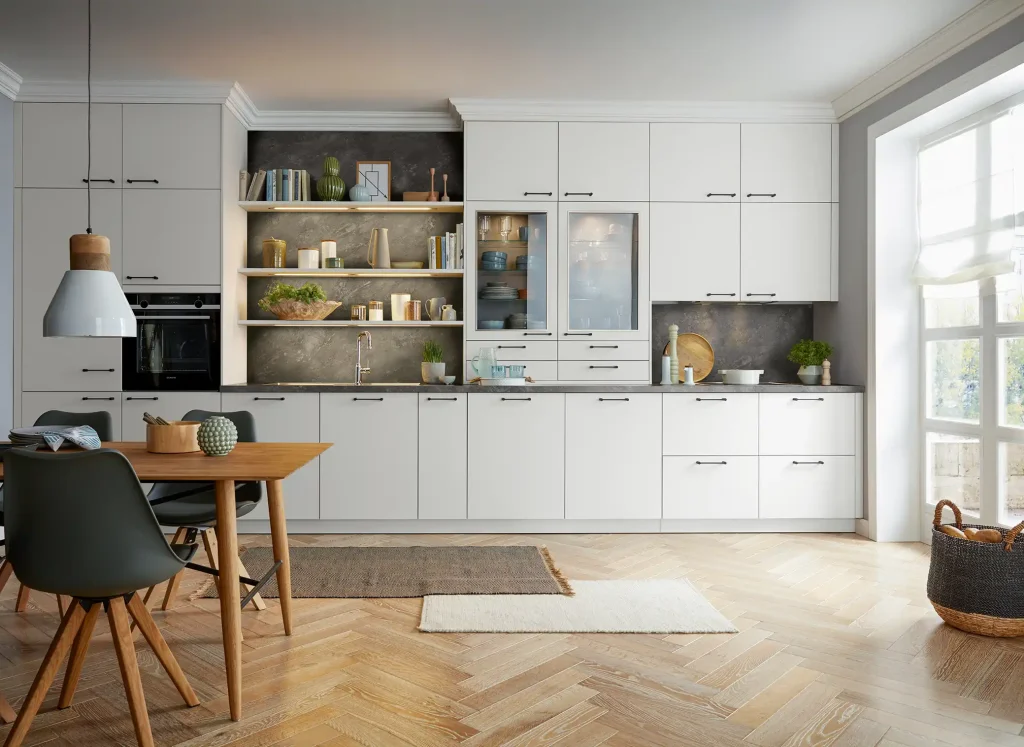
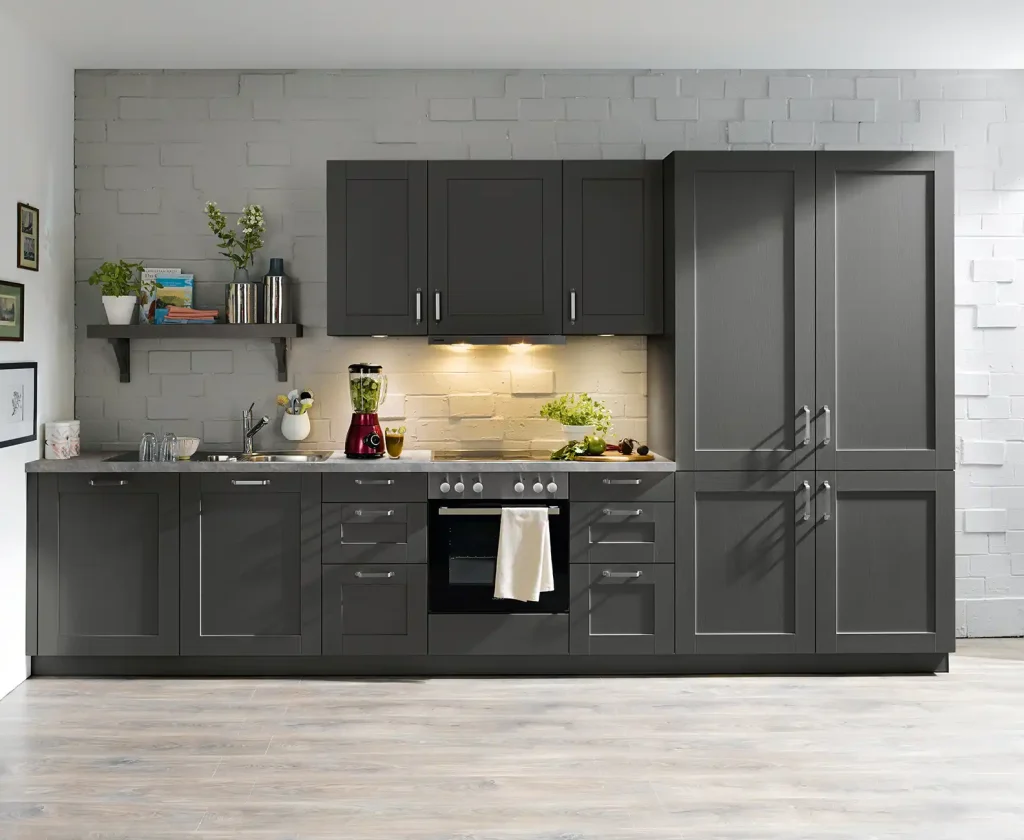
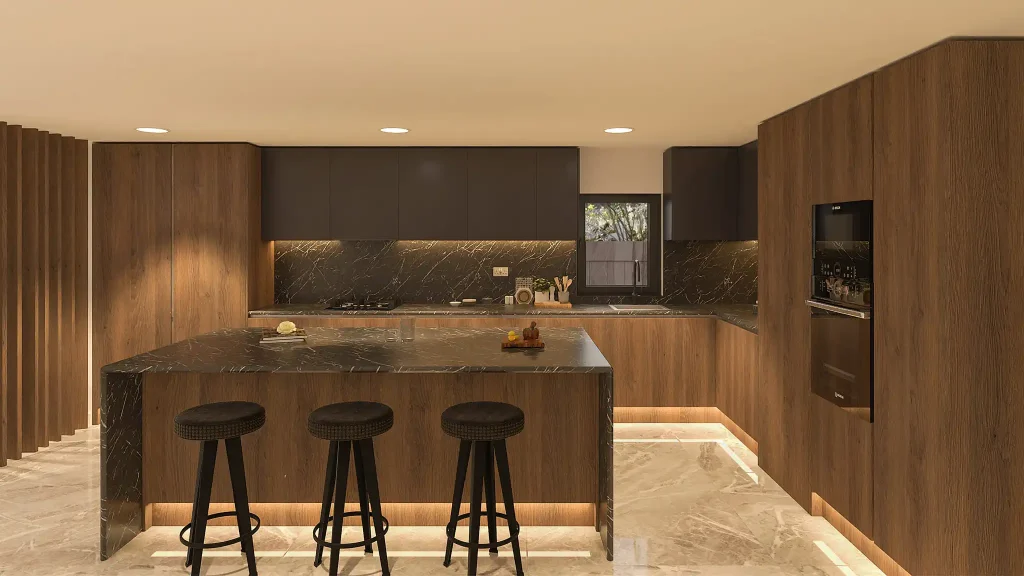
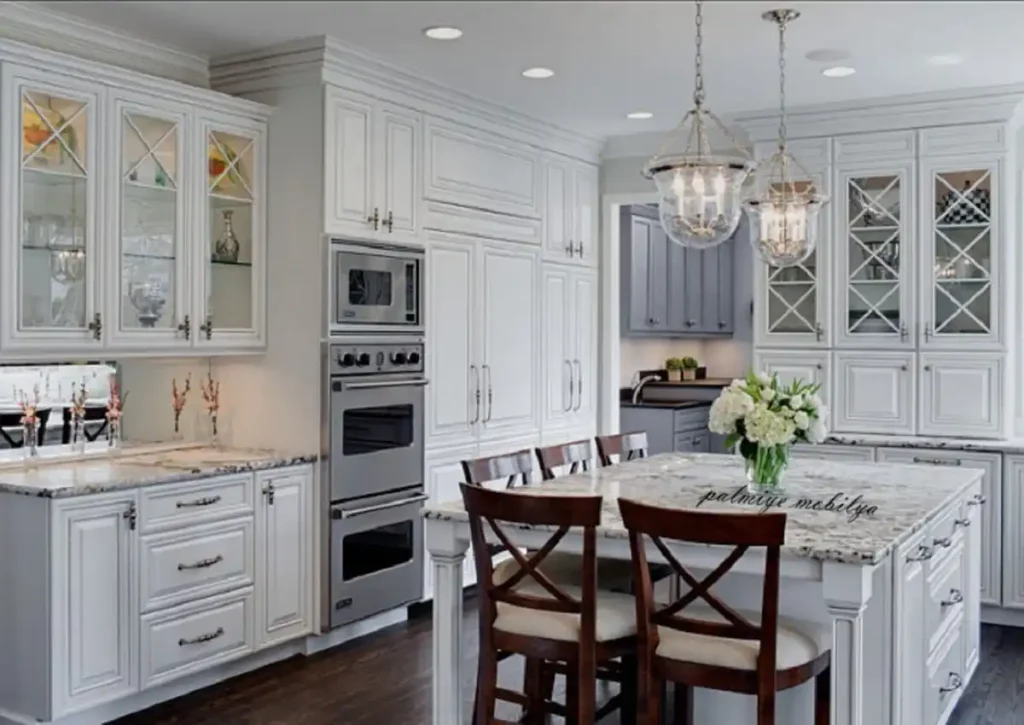


Etiket:Anthracite Kitchen Cabinet Turkey, Grey Kitchen Cabinet Turkey, Lacquered Door Production Turkey, Louvered Door Kitchen Bathroom Manufacturing Turkey, Louvered Door Solid Wood Kitchen Cabinets Turkey, Mass Production Kitchen Bathroom Cabinets Turkey, Moisture-Resistant Kitchen Cabinet Turkey, Silk Matte Kitchen Cabinet Turkey, Solid Wood Door Production Turkey, Solid Wood Door Turkey, Solid Wood Door Window Production Turkey, Water-Resistant Bathroom Cabinet Turkey, White Kitchen Cabinet Turkey, Wooden Door Production Turkey

Şunları da sevebilirsiniz
Pozantı Otel Mobilyaları | Adana Otel Mobilya Üretimi
Pozantı Otel Mobilyaları | Adana Otel Mobilya Üretimi