Silk Matte Kitchen Cabinet Turkey
Silk Matte Kitchen Cabinet Turkey: The Definitive Guide to Advanced Lacquer Technology, Manufacturing Engineering, and Global Sourcing
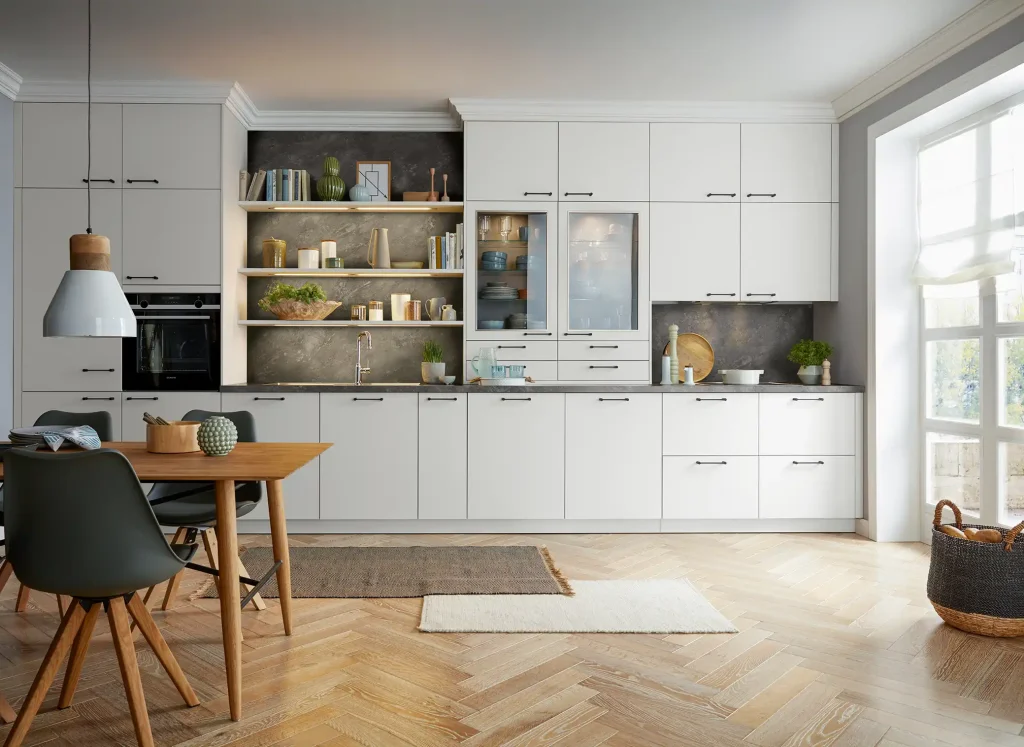
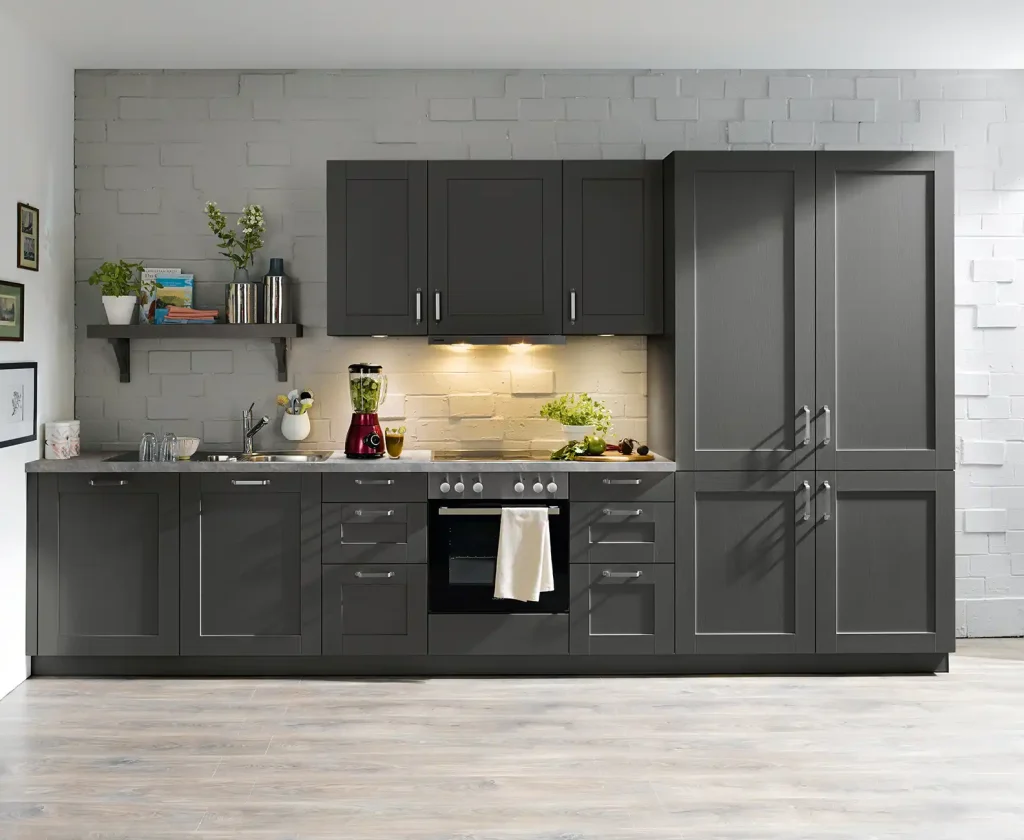
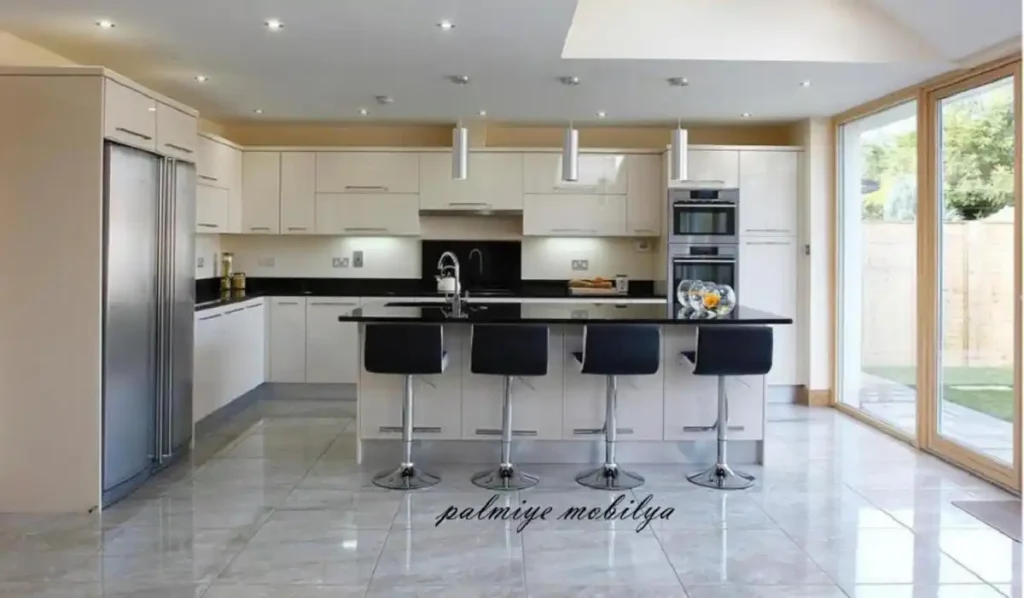
The global interior design landscape has shifted definitively away from high-gloss surfaces toward understated, tactile luxury. At the absolute apex of this design paradigm is the Silk Matte Kitchen Cabinet Turkey sector, a specialized segment of the Turkish woodworking industry that has achieved international renown. Modern residential and commercial developers are increasingly specifying silk matte finishes because they absorb light rather than reflecting it, creating a soft, warm ambiance while masking the everyday wear, smudges, and fingerprints that compromise high-gloss cabinetry.
However, executing a flawless silk matte finish that remains smooth to the touch, chemically resilient, and physically durable under high-moisture kitchen conditions requires an advanced intersection of material science and precision engineering. Turkish manufacturers have emerged as elite global leaders in this discipline. By combining Industry 4.0 automated flat-line finishing systems with advanced European chemical coatings and state-of-the-art moisture-resistant substrates, Turkey supplies the international market with architectural-grade silk matte cabinetry at scale. This comprehensive guide provides an exhaustive, engineering-grade analysis of the Silk Matte Kitchen Cabinet Turkey sector, detailing substrate preparation, advanced lacquer chemical formulations, anti-fingerprint nanotechnology, and global procurement logistics.
1. The Industrial and Macroeconomic Landscape of Production in Turkey
The rise of the Silk Matte Kitchen Cabinet Turkey sector as a dominant force in global interior sourcing is rooted in Turkey’s strategic position as a heavily capitalized woodworking hub. Over the past two decades, Turkish manufacturers have systematically evolved from traditional regional carpentry workshops into fully automated, digitally connected industrial complexes that merge high output with millimetric design precision.
Key Industrial Clusters Driving Silk Matte Innovation
The efficiency and technical depth of the Turkish cabinetry sector rely on highly dense, specialized industrial clusters that bring together timber mills, chemical paint labs, and hardware developers:
- İnegöl (Bursa): Long celebrated as the furniture capital of Turkey, İnegöl is the heart of mass-customization. Factories here are optimized to handle complex, specialized surface treatments like silk matte lacquering across large-scale residential orders while maintaining rapid turnaround times.
- Kayseri Industrial Zone: A powerhouse of mass production, hosting megastores and massive manufacturing plants spanning hundreds of thousands of square meters. Kayseri utilizes continuous through-feed automated lines to produce high-volume modular silk matte cabinetry components for global retail and massive multi-family housing projects.
- Kocaeli & Gebze Belt: Geographically positioned adjacent to Turkey’s premier industrial chemical centers and deep-water Marmara Sea ports. This cluster acts as the technical research laboratory of the industry, pioneering waterborne UV-curable finishes, polyurethane coatings, and excimer laser technologies used to achieve the signature silk matte touch.
- Istanbul Suburbs (Hadımköy, Tuzla, Dudullu): Acting as the design-centric export corridor, bridging global architectural specifications with domestic factory capabilities, specializing in bespoke, high-end OEM/ODM production for elite hospitality and residential developments.
Global Compliance, Standards, and Trade Positioning
Turkish kitchen cabinet manufacturers build products to conform strictly with international quality metrics, including European Norms (EN), German DIN benchmarks, and American National Standards Institute (ANSI/KCMA) requirements. For procurement managers in North America and Western Europe, sourcing a Silk Matte Kitchen Cabinet Turkey system provides a vital strategic shield against the steep anti-dumping duties and unpredictable tariff structures affecting East Asian supply lines, delivering a highly stable, legally compliant alternative.
2. Material Science: Selecting and Preparing the Optimal Substrate
A high-end silk matte finish is entirely dependent on the perfection of the substrate beneath it. Because a matte coating does not reflect light, any structural wave, micro-void, or particle inconsistency in the core panel will cast a subtle shadow, ruining the flat, monolithic appearance of the kitchen facade. Therefore, the Silk Matte Kitchen Cabinet Turkey sector applies strict engineering criteria to panel selection and calibration.
Medium-Density Fiberboard (MDF) vs. High-Density Fiberboard (HDF)
Turkish factories specify premium, highly refined MDF or ultra-dense HDF as the primary canvas for silk matte lacquer coatings. Raw particleboard or chipboard is strictly rejected for high-end lacquering because its coarser wood chip structure can absorb paint unevenly, leading to a flawed surface texture known as telegraphing.
- calibrated Density Profiles: The MDF utilized typically features a core density ranging between 740 kg/m³ and 780 kg/m³, while the outer skin fibers are compressed up to 900 kg/m³. This ultra-fine fiber concentration at the surface limits the rapid, uneven absorption of primers.
- Isotropic Dimensional Stability: Engineered fiberboards are isotropic, meaning they possess equal physical properties in all directions. This minimizes the natural expanding and shrinking movements common to raw timber, preventing the delicate lacquer layers from micro-fracturing along joints when exposed to shifting kitchen temperatures.
Moisture-Resistant (MR) Core Upgrades (V313 / Green Board)
Kitchens are high-moisture zones subject to cycling humidity from cooking pots and direct water exposure near sinks. To prevent substrate failure, premium Turkish manufacturers utilize green-tinted Moisture-Resistant MDF (MR-MDF).
- Chemical Bonding: This material is pressed using advanced hydrophobic melamine-urea-formaldehyde (MUF) or polymeric diphenylmethane diisocyanate (pMDI) resin systems.
- Performance Metrics: Under severe European V313 standard cyclic testing—which subjects panels to continuous water immersion, freezing, and high-temperature drying—Turkish MR-MDF exhibits a thickness swelling ratio of less than 6%, ensuring that the silk matte door face remains perfectly flat and stable across its entire lifecycle.
3. The Layering Architecture of a Premium Silk Matte Finish
Achieving the rich, tactile depth of a Silk Matte Kitchen Cabinet Turkey setup is a multi-step chemical application process. A common misconception is that a matte finish is simply a single coat of dull paint sprayed over raw wood. In reality, it is a highly structured, multi-layered chemical envelope designed to provide structural adhesion, impact resistance, and an absolute moisture barrier.
The Standard Four-Tier Coating Blueprint
[Exterior Environment: Light, Fingerprints, Chemical Cleaners]
-----------------------------------------------------------------
[Layer 4: Silk Matte Topcoat (Excimer UV or Polyurethane Matte)]
-----------------------------------------------------------------
[Layer 3: Color Base Coat (Two-Component Polyurethane / Acrylic)]
-----------------------------------------------------------------
[Layer 2: Isolator / Sealer (Blocks Tannins & Controls Absorption)]
-----------------------------------------------------------------
[Layer 1: Polyester or Polyurethane Primer (Builds Surface Body)]
-----------------------------------------------------------------
[Substrate Core: High-Density Moisture-Resistant MDF (MR-MDF)]
Layer 1: The Calibrating Primer (Polyester or Polyurethane)
The raw, sanded MDF panel is first coated with a high-solid polyester or two-component polyurethane primer. This layer’s primary engineering function is to fill the microscopic pores between the wood fibers, sealing the board and building a thick structural body that can be sanded perfectly flat. Turkish factories often apply two separate coats of primer with a intermediate 24-hour curing and sanding phase to ensure absolute surface planarity.
Layer 2: The Barrier Isolator Sealer
Certain wood fibers contain natural resins, oils, and tannins that can slowly migrate outward over time, yellowing or discoloring light matte paints. Turkish producers inject a chemical isolator sealer layer that forms an impenetrable molecular wall, neutralizing internal timber chemistry and locking the color base coat into a chemically pure environment.
Layer 3: The Pigmented Color Base Coat
This layer determines the exact color profile of the kitchen. Turkish manufacturers utilize premium acrylic or polyurethane color systems sourced from elite global chemical suppliers (such as AkzoNobel, Sayerlack, and ICA) or top-tier domestic labs. Acrylic bases are highly prized for light tones (such as crisp whites, soft creams, and light cashmeres) due to their exceptional non-yellowing characteristics when exposed to direct solar UV radiation.
Layer 4: The Specialized Silk Matte Topcoat
The final crowning layer that dictates the gloss level and tactile touch. In the Silk Matte Kitchen Cabinet Turkey industry, this topcoat is formulated to achieve a gloss level measured between 3 and 10 gloss units on a standard 60-degree glossmeter (where 0 is absolute dead matte and 100 is high-mirror gloss). This ultra-low gloss state causes incoming light waves to scatter multi-directionally, removing harsh glare and producing the signature velvety visual texture.
4. Advanced Manufacturing Technology: Automated Flat-Line Spraying and Excimer Curing
The unmatched cost-competitiveness and consistent quality of a Silk Matte Kitchen Cabinet Turkey production run are achieved through heavy investments in Industry 4.0 finishing automation. Manual spray guns are incapable of distributing a low-gloss topcoat with the total uniformity required for large commercial developments.
Automated Through-Feed Flat-Line Spraying
Raw panels are loaded onto continuous conveyor belts that move through pressurized, dust-free cleanrooms.
- The Cleanroom Microclimate: Air entering the spray zone passes through multi-tier HEPA filtration banks to maintain positive atmospheric pressure. This completely prevents outside airborne dust particles from settling on the wet matte lacquer, which would create surface micro-bumps.
- Robotic Reciprocators: Inside the booth, automated dual-axis or multi-axis robotic spraying arms track the panels using optical laser scanners. The onboard computers calculate the exact surface area and edges, adjusting the flow rate, air pressure, and traveling speed of the spray nozzles. This ensures a uniform wet film thickness across the front face and detailed profiles of every cabinet door, avoiding paint buildup on sharp edges.
Excimer Laser Matting Technology: The Nanotechnology Frontier
The absolute cutting edge of the Silk Matte Kitchen Cabinet Turkey sector is the implementation of automated Excimer Laser Matting Lines (utilizing advanced systems from equipment manufacturers like Bürkle, Cefla, or Barberán).
[Liquid Topcoat Applied] ---> [Enters Nitrogen Excimer Chamber] ---> [172nm UV Light Exposure]
                                                                             |
[Instant Curing & Hardening] <--- [Nanoscopic Micro-Folding Surface] <--- [Polymer Micro-Shrinkage]
- Nitrogen Atmosphere: The lacquered panel enters a sealed chamber completely purged of oxygen and filled with pure nitrogen gas.
- 172nm UV Light Exposure: High-energy short-wave UV excimer lamps emitting at a precise wavelength of 172 nanometers radiate the liquid topcoat surface. Because this wavelength has a very low penetration depth, it only acts upon the uppermost molecular layer of the liquid paint.
- Micro-Folding Effect: The intense energy causes the molecules on the very surface of the lacquer to shrink and polymerize instantly, creating a microscopic, wave-like wrinkled structure (micro-folding) at the nanometer scale. The underlying body of the lacquer remains liquid at this exact millisecond.
- Final Hardening: The panel moves immediately under standard gallium or mercury UV lamps, which penetrate deep into the paint body to cure and harden the entire lacquer layer completely.
- Optical and Physical Result: The nanoscopic micro-folds permanently alter how the door surface interacts with light and physical touch. Incoming light rays hit the nano-wrinkles and diffuse completely, producing a uniform, dead-matte finish without requiring traditional silica matting agents, which can cloud the color clarity.
5. Technical Advantages: Anti-Fingerprint, Scratch Resistance, and Hydrophobic Science
A premier kitchen cabinet cannot simply look beautiful on a showroom floor; it must survive the daily chaos of grease, hot steam, impact from pots, and constant physical contact. The Silk Matte Kitchen Cabinet Turkey industry designs its products with advanced physical and chemical performance profiles built directly into the surface layer.
The Physics of Anti-Fingerprint Nanotechnology
Standard matte surfaces can absorb oils from human skin, leaving dark, greasy fingerprint smudges that are exceptionally difficult to wipe away. The excimer and advanced polyurethane topcoats used by premium Turkish fabricators solve this problem via surface energy manipulation:
- Oleophobic and Hydrophobic Barriers: The nano-structured topcoat raises the static contact angle of water and oil droplets. When skin oils touch the cabinet, they cannot spread out or wet the surface; instead, they sit loosely on top of the microscopic nano-folds.
- Ease of Maintenance: Because the grease cannot penetrate the dense polymer network, the fingerprints can be instantly wiped away with a dry or slightly damp microfiber cloth without requiring aggressive chemical degreasers.
Mechanical and Chemical Resistance Profiles
| Performance Parameter | Evaluation Metric / Standard | Turkish Production Verification Performance |
|---|---|---|
| Surface Gloss Level | DIN EN ISO 2813 (60° Angle) | Calibrated between 3 to 8 Gloss Units (Ultra Silk Matte) |
| Scratch Resistance | EN 438-2 / DIN 68861-4 | High resistance (Rating 4A to 4B); withstands micro-scratches from daily wiping |
| Chemical Resilience | DIN 68861-1 (Part 1) | Class 1B compliance; impervious to coffee, red wine, citric acids, and household alcohol |
| Adhesion Strength | DIN EN ISO 2409 (Cross-Cut) | GT0 to GT1 Rating; absolute bonding; lacquer will not chip or peel along corners |
| Lightfastness / UV Guard | DIN EN ISO 4892-2 | Grade 4 to 5; zero yellowing or color shifting under prolonged solar exposure |
| Surface Smoothness | Tactile Micro-Roughness Analysis | Ultra-low friction coefficient; yields a premium, velvety “soft-touch” feel |
6. Structural Engineering of Cabinet Carcasses and Precision Joinery
The durability of a Silk Matte Kitchen Cabinet Turkey system relies heavily on the engineering of the structural cabinet box (carcass) supporting the premium lacquered doors. A cabinet door must hang straight, close silently, and maintain perfectly aligned reveals over decades of heavy service.
Carcass Material Options for High-Traffic Kitchens
Turkish mass-customization factories provide three primary material configurations for carcass fabrication, optimized for varying structural and economic targets:
- Moisture-Resistant Direct-Faced Melamine (MR-MFC): Built on a core of P3-grade high-density particleboard infused with hydrophobic structural waxes. The exterior is heat-welded with a thick decorative melamine layer, creating a highly scratch-resistant, hygienic, and easily cleanable interior box lining.
- Lacquered Engineered Ply-Cores: Reserved for ultra-luxury residential projects, utilizing cross-laminated layers of Baltic birch or indigenous Turkish hardwoods bonded with waterproof exterior-grade phenolic resins, ensuring maximum screw-holding capacity.
- Wood-Plastic Composites (WPC): Highly popular for under-sink zones or tropical coastal developments. WPC boards are entirely waterproof and impervious to rot, serving as a reliable line of defense against plumbing failure.
CNC Machining and Zero-Tolerance Joinery
Turkish factories utilize computerized through-feed processing lines to machine carcasses with absolute mathematical consistency:
- Dowel and Confirmat System: Panels are pre-drilled with multi-spindle boring blocks that mill matching alignment holes for high-density fluted wooden dowels and heavy-duty steel Confirmat assembly screws concurrently. This results in a rigid, self-squaring corner joint that eliminates cabinet flexing.
- Fully Grooved Back Panel Enclosures: Carcass sides are machined with a continuous 4mm to 8mm rebate channel along the rear edge. The high-density back panel slides deeply into this channel rather than simply being stapled to the back frame. This fully enclosed locking system steps up the cabinet’s resistance to diagonal racking forces, keeping the box square under heavy stone countertops.
Premium Hardware Ecosystem Integration
To complement the elite nature of the silk matte finish, Turkish cabinetry lines are factory-milled to seamlessly integrate premium, internationally certified moving hardware from market leaders like Blum, Hettich, Grass, and Samet (Turkey’s homegrown global hardware brand):
- 3D Adjustable Concealed Hinges: All-metal hinges with integrated miniature hydraulic soft-close dampers are factory-fitted into pre-bored door pockets. These hinges offer micro-adjustability across three distinct dimensions (\(X, Y,\text{ and } Z\) axes), allowing field installers to adjust the door reveals by fractions of a millimeter to achieve crisp, uniform shadow lines across the kitchen run.
- Heavy-Duty Synchronized Drawer Slides: Drawers are mounted onto hidden undermount full-extension tracks boasting dynamic load ratings of 40 kg to 70 kg. These tracks incorporate self-cleaning profiles and fluid-damped deceleration bumpers that absorb slamming forces, protecting the structural joints of the solid-core door fronts.
7. Environmental Stewardship and Green Building Certifications
As international regulatory frameworks enforce strict carbon accounting, low chemical emissions, and sustainable timber sourcing, the Silk Matte Kitchen Cabinet Turkey manufacturing sector has fundamentally realigned its industrial processes. Turkish factories are leading the transition toward eco-certified, healthy residential building materials.
Certified Timber Tracking (FSC and PEFC Chain of Custody)
The premier tier of Turkish cabinetry producers operates under rigorous FSC (Forest Stewardship Council) and PEFC (Programme for the Endorsement of Forest Certification) protocols. Every cubic meter of wood fibers entering the processing mills can be tracked directly back to sustainably managed forests. These managed woodlands enforce strict clear-cutting restrictions, prioritize natural biodiversity retention, mandate aggressive tree replanting ratios, and protect the human and land rights of regional forestry workers.
Suppressing Formaldehyde and Volatile Organic Compounds (VOCs)
Indoor air safety is a vital parameter in modern architectural construction, heavily governed by Western building codes:
- E1 and E0 Emissions Compliance: All engineered substrate cores (MDF, HDF, particleboard) utilize advanced synthetic bonding resins that conform strictly to the European E1 emission safety limits. For strict medical, educational, or green residential projects, factories regularly supply E0 or NAF (No Added Formaldehyde) boards.
- Transition to Waterborne Polyurethane-Acrylics: By swapping out older, solvent-heavy nitrocellulose finishes for advanced waterborne primers and UV photopolymerization topcoats, Turkish factories have suppressed volatile organic compound emissions to near-zero levels. This eliminates dangerous chemical off-gassing inside the end consumer’s home, aligning the product directly with the critical indoor air quality requirements of LEED and BREEAM green building rating systems.
8. Strategic Sourcing Guide: Maximizing Business Advantage in Turkey
For global procurement directors, boutique kitchen showroom distributors, interior design firms, and major real estate developers, sourcing from the Silk Matte Kitchen Cabinet Turkey supply line yields clear, multi-tiered business advantages.
High Cost-Efficiency and Optimized Total Cost of Ownership (TCO)
Turkey presents a highly compelling business model that balances advanced industrial automation with highly optimized domestic production costs. The immediate proximity of raw panel production giants (like Kastamonu Entegre and AGT), domestic paint chemical laboratories, and global hardware suppliers eliminates expensive import transit layers for raw materials. This integrated industrial ecosystem allows Turkish mega-factories to offer premium, certified silk matte kitchen cabinetry at a highly competitive per-unit price point that matches or exceeds Western European mechanical and aesthetic benchmarks while remaining significantly lower in cost.
Agile OEM/ODM Mass-Customization Capacity
A common logistical bottle-neck when sourcing from major automated industrial complexes in East Asia is their reliance on ultra-rigid production scripts. They often require massive, inflexible Minimum Order Quantities (MOQs) of identical dimensions and colors to justify running a line.
- The Turkish Alternative: Turkish manufacturing pipelines are engineered around digital agility. Because every panel is marked with a custom barcode linked directly to a dynamic ERP matrix, factories can process an order for a multi-unit apartment complex where every single apartment features a unique floor plan and distinct door measurements, without needing to stop or slow the high-speed automated spraying lines.
Strategic Logistical Nearshoring and Compressed Timelines
In large-scale commercial real estate and hospitality construction, prolonged delivery delays can lead to severe contract financial penalties. Turkey’s geographical positioning acts as a strategic shield against global supply chain disruptions:
- The European Continent: Truck freight from Turkish industrial zones can reach major Western and Central European distribution hubs within 4 to 7 days, avoiding unpredictable maritime shipping bottlenecks and canal delays.
- Global Maritime Corridors: Utilizing deep-water, high-throughput container ports along the Aegean, Mediterranean, and Marmara seas (such as Ambarlı, Mersin, and Izmir), Turkish factories ship containerized cabinetry directly to the East Coast of the United States, North Africa, and the Gulf Cooperation Council (GCC) markets with highly compressed maritime transit schedules.
9. Technical Installation Protocols and Long-Term Field Maintenance
The ultimate structural alignment and lifelong visual appeal of a Silk Matte Kitchen Cabinet Turkey layout depend heavily on the precision of its field assembly and strict adherence to correct care practices post-handover.
Site Readiness and Environmental Stabilization Criteria
Lacquered silk matte components must never be brought into an active construction zone until the building’s interior microclimate has completely stabilized:
- Wet Trades Completion Sign-Off: All internal concrete pouring, wall plastering, drywall mudding, painting, and ceramic floor tiling must be 100% finished, cured, and dry.
- Microclimate Conditioning: The building’s heating, ventilation, and air conditioning (HVAC) systems must run continuously for at least 72 hours prior to cabinetry unboxing. The indoor relative humidity must be maintained between 40% and 60%, and the temperature must be kept between 18°C and 24°C. This environmental stabilization prevents the engineered wood substrates from undergoing rapid, shock-induced expansion or contraction, safeguarding joint tolerances.
Step-by-Step Installation Best Practices
- Laser Datum Line Mapping: Installers must map out the kitchen perimeter using a high-precision 360-degree self-leveling multi-line laser level. Cabinet carcasses must be anchored horizontally and vertically along an absolute geometric plane, independent of natural slopes or waves in the raw floor plaster or drywall face.
- ABS Base Leveling Adjustment: Base units are placed onto their high-impact ABS adjustable leveling legs. Installers adjust the threaded columns to distribute the cabinet weight evenly across all four feet, neutralizing floor dips and ensuring a perfectly flat foundation for heavy quartz, granite, or solid-surface countertops.
- Inter-Modular Structural Binding: Adjoining cabinet boxes are clamped tightly together face-frame to face-frame. Installers then pass specialized male-female sleeve binding screws through pre-drilled holes in the carcass sides, locking individual modular units into a single, cohesive structural layout.
- Hinge Reveal Calibration: The 3D adjustable concealed hinges must be calibrated using uniform shims or precise turn adjustments. Reveal gaps between the silk matte door edges should be set to a completely uniform 3mm. This gap ensures a clean architectural shadow line and provides sufficient clearance for seasonal micro-movements without causing doors to bind.
Comprehensive Long-Term Care Guidelines
To preserve the premium matte texture and prevent structural degradation of the lacquer finish, property maintenance teams and homeowners should adhere to precise cleaning protocols:
                       [Silk Matte Care Matrix]
                                  |
       +--------------------------+--------------------------+

       |                                                     |
[Daily Maintenance]                                   [Prohibited Actions]

       |                                                     |
(Soft Microfiber Cloth)                               (No Ammonia / Bleach)
(Lukewarm Water Clean)                                (No Acetone / Solvents)
(pH-Neutral Wood Soap)                                (No Scouring Sponges)
(Immediate Dry Wipe)                                  (No Steam Cleaners)
- Routine Surface Cleaning: Silk matte doors should be cleaned using a clean, soft microfiber cloth slightly dampened with lukewarm water and a pH-neutral, non-abrasive detergent. Wipe in gentle circular motions. Always follow immediately with a second dry microfiber towel to eliminate any remaining surface water streaks.
- Chemical Agent Exclusions: Never allow cleaning agents containing high concentrations of ammonia, chlorine bleach, acetone, or heavy industrial solvents to touch the lacquer. These aggressive chemicals will micro-fracture the cross-linked polymer network of the topcoat, permanently altering the gloss units and creating glossy spots or cloudy discoloration.
- Avoid Scouring Tooling: Scouring pads, steel wool, or abrasive magic erasers are strictly prohibited. These tools rely on micro-abrasion, which will sand down the nanoscopic micro-folds of the excimer matte surface, leaving highly reflective polished patches that cannot be repaired without fully stripping and re-spraying the door panel.
- Steam Cleaner Restriction: Never use localized steam cleaners on or near lacquered cabinetry. The sudden combination of intense heat and highly pressurized moisture can breach the edge seams and destroy the PUR hot-melt bond, leading to localized substrate swelling and lacquer delamination.
10. Future Horizons: Smart Matte Textures, Minimalism, and Cognitive Manufacturing
The development path of the Silk Matte Kitchen Cabinet Turkey sector is moving toward an advanced future where timeless architectural beauty converges with cutting-edge residential smart ecosystems and cognitive automation.
Self-Healing Thermal Micro-Coatings
Turkish chemical labs are actively testing the integration of self-healing shape-memory polymers into their silk matte topcoats.
- The Technology: If a door receives a micro-scratch from a sharp object, the polymer chain network is displaced but not broken.
- The Cure: By applying localized heat to the scratch zone (such as passing a standard clothing iron over a damp microfiber cloth resting on the door), the cross-linked molecules are stimulated to return to their original, factory-programmed flat micro-folded layout, completely erasing the scratch without requiring touch-up paint.
Handle-Free Minimalism and Finger-Pull Integration
To match the growing international architectural demand for ultra-minimalist, handle-free kitchen design, Turkish factories are utilizing advanced CNC routing to integrate J-pull and G-line finger grooves directly into the solid-core door blanks before the lacquering phase. The silk matte coating wraps seamlessly into these recessed ergonomic pull tracks, allowing for completely smooth, unbroken runs of vertical kitchen cabinetry that are highly resistant to the high physical friction associated with finger-pull operation.
Cognitive AI Manufacturing Control
At the factory level, top-tier Turkish mass-customization complexes are deploying Industry 5.0 cognitive frameworks. High-resolution optical scanning arrays powered by artificial intelligence models are mounted directly over automated finishing lines. As the silk matte panels race past at high speeds, the AI instantly detects, categorizes, and flags paint thickness variations, dust inclusions, or gloss-unit deviations invisible to the human eye, ensuring a near-zero defect rate across massive export runs.
Summary: Securing Competitive Edge via Turkish Surface Engineering
As demonstrated by this extensive industry analysis, the Silk Matte Kitchen Cabinet Turkey sector represents a premier global standard for sourcing premium cabinetry. Through the combination of massive regional industrial clusters, rigorous wood stabilization protocols, automated PUR and excimer laser matting technology, and flexible digital mass-customization systems, Turkish manufacturers successfully deliver high-volume, exceptionally durable cabinetry that easily withstands the environmental stresses of modern kitchens. For international procurement managers, architects, and high-end real estate developers looking to balance unyielding technical performance with modern matte design trends and a highly optimized total cost of ownership, partnering with Turkey’s premium cabinetry sector delivers a decisive, future-proof competitive advantage.






Şunları da sevebilirsiniz
Pozantı Otel Mobilyaları | Adana Otel Mobilya Üretimi
Pozantı Otel Mobilyaları | Adana Otel Mobilya Üretimi