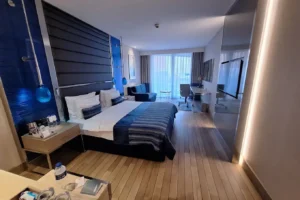
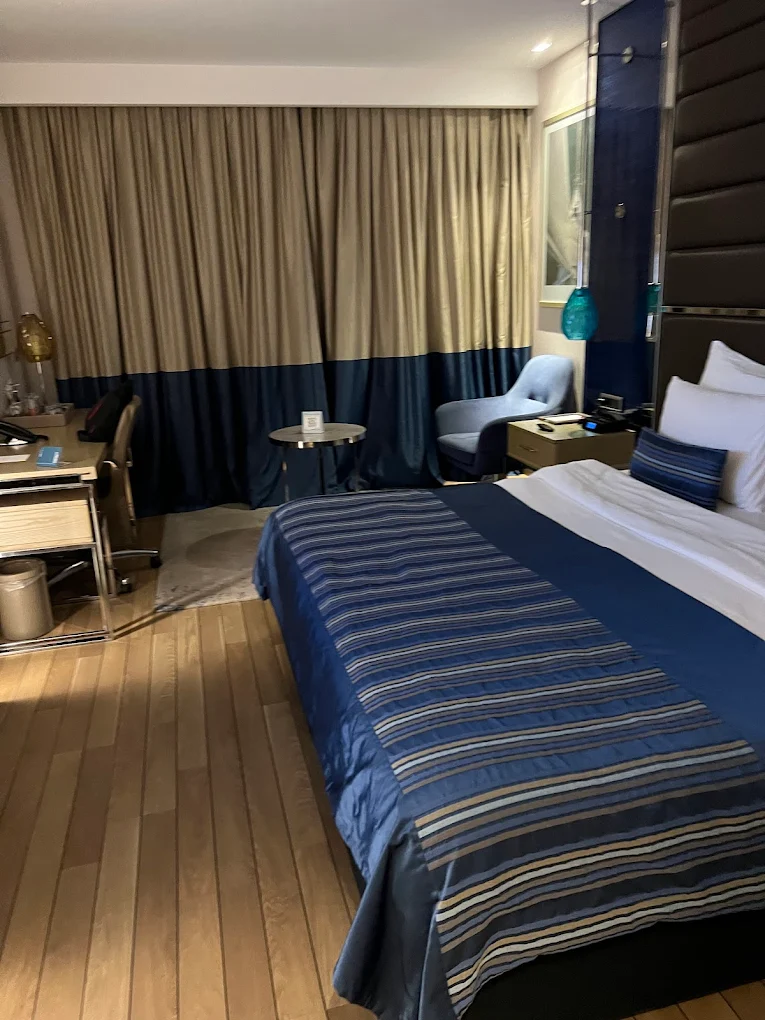
Hotel Room Furniture Turkey
The Ultimate Guide to Hotel Room Furniture in Turkey: Technical Engineering, Bespoke Manufacturing, and Global B2B Sourcing
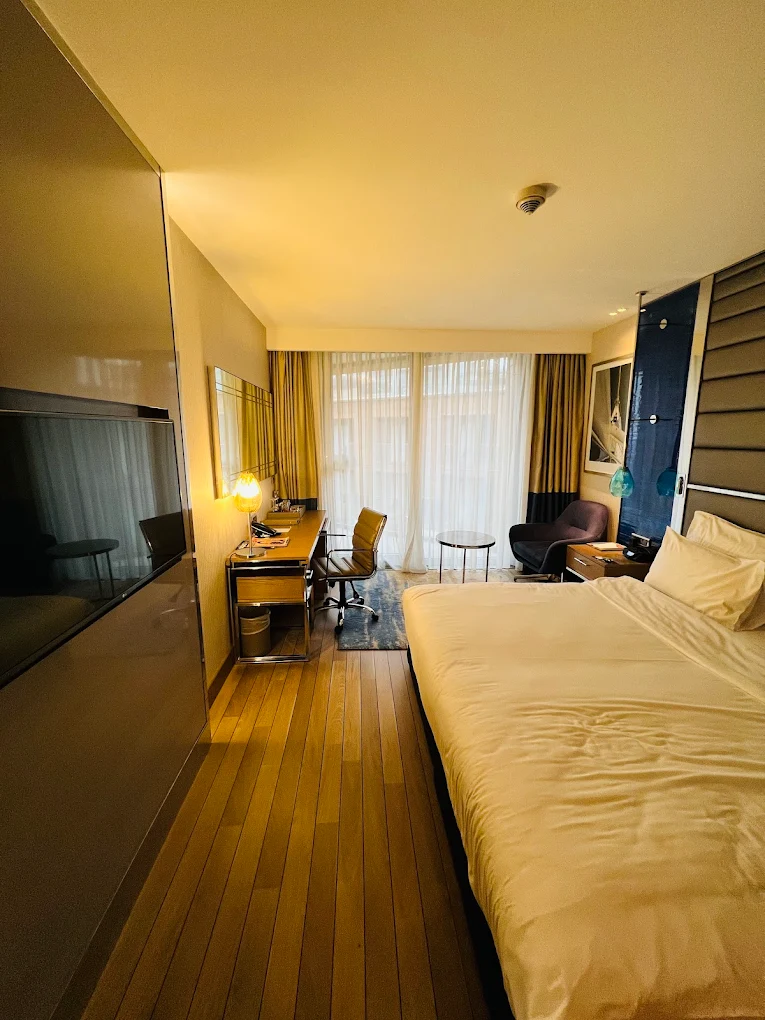
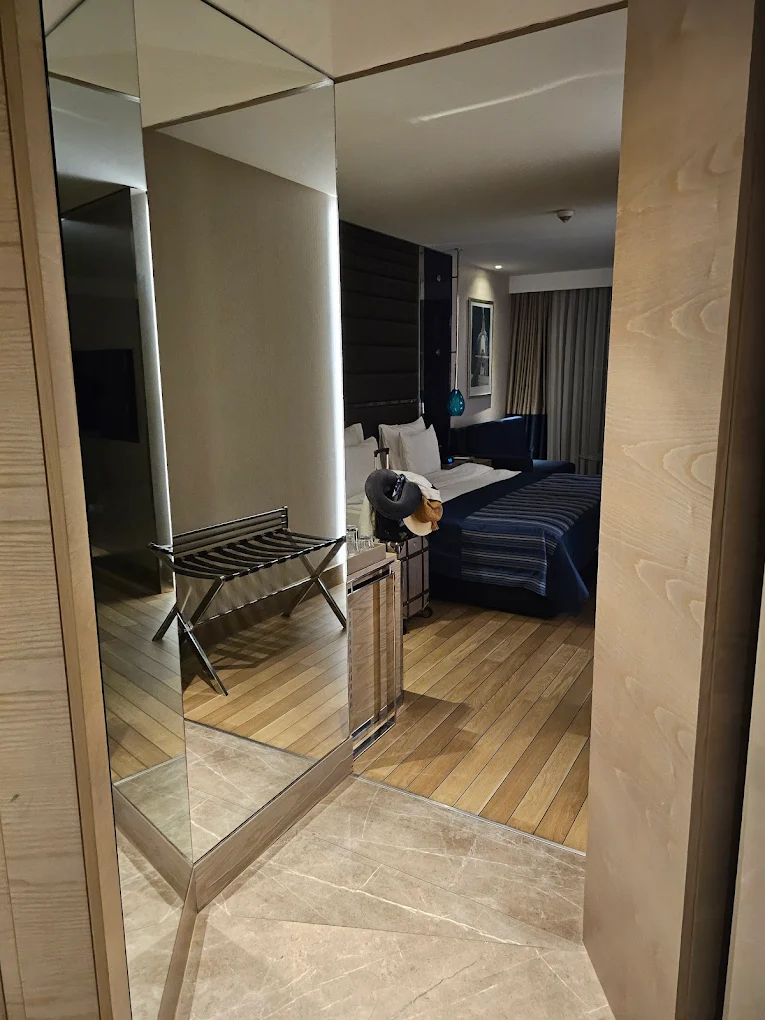
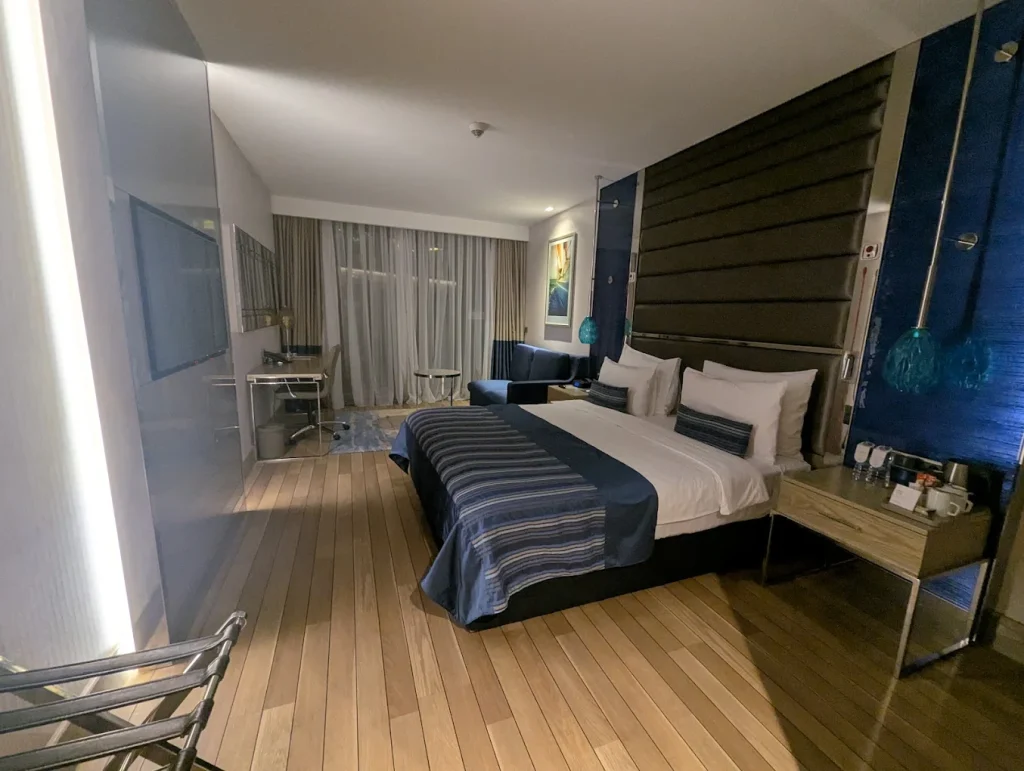
For global hoteliers, developers, and hospitality procurement managers, the choice of guestroom furniture dictates the thin line between operational profitability and costly maintenance cycles. As a specialized sub-segment of contract manufacturing, hotel room furniture Turkey has risen to become a premier choice for major international brands (including Marriott, Hilton, Accor, and IHG) as well as independent luxury boutique properties.
The Turkish manufacturing sector does not merely construct beds and desks; it blends advanced mechanical engineering, automated wood and textile technology, and strict adherence to international building codes. This technical guide explores the structural engineering, material chemistry, logistics workflows, and value-engineering strategies that define the hotel room furniture Turkey ecosystem.
1. Structural Engineering and Substrate Standards for Guestroom Casegoods
Unlike residential items, guestroom casegoods face non-stop physical impacts from heavy luggage, room service trays, and commercial chemical cleaning. The foundation of high-performance hotel room furniture Turkey lies in its engineering substrates and bonding agents.
+-------------------------------------------------------------------+

|               CROSS-SECTION OF A PREMIUM HOTEL CASEGOOD PANEL     |
+-------------------------------------------------------------------+

|                                                                   |
|   [SURFACE]   --> UV-Cured Acrylic Lacquer / High-Pressure Veneer |
|   [BONDING]   --> PUR (Polyurethane) Waterproof Reactive Glue     |
|   [SUBSTRATE] --> Moisture-Resistant MDF (MR-MDF) or Blockboard   |
|   [EDGING]    --> 1.5mm Solid Wood Edge Banding / ABS Protection   |
|                                                                 |
+-------------------------------------------------------------------+
Moisture-Resistant Medium Density Fiberboard (MR-MDF) vs. Chipboard
While retail furniture frequently relies on low-density particleboard, Turkish contract factories specializing in export-grade guestroom furniture prioritize High-Density MR-MDF or multi-layer cross-grain plywood.
- Density Profiling: Export-grade Turkish factories utilize MDF with densities ranging from \(750\text{ kg/m}^3\) to \(850\text{ kg/m}^3\). This provides exceptional screw-holding capacity, preventing hinges and drawer runners from loosening over time.
- Hydrophobic Properties: In high-humidity coastal resorts, standard substrates swell and delaminate. MR-MDF incorporates specialized moisture-resistant resins during the fiber pressing stage. This ensures structural stability and keeps surfaces flat, even when installed near open balcony doors or high-humidity bathroom entryways.
Polyurethane (PUR) Reactive Edge Banding Technology
A major point of failure in hotel guestroom nightstands and luggage benches is edge delamination, usually caused by cleaning fluids or spilled drinks.
- The Technical Upgrade: Leading Turkish factories have phased out conventional EVA (Ethylene Vinyl Acetate) hot-melt glues in favor of PUR (Polyurethane) Reactive hot-melt systems.
- Performance Metrics: PUR glue creates a cross-linked chemical bond that is completely waterproof and resistant to temperatures ranging from \(-40^{\circ }\text{C}\) to \(150^{\circ }\text{C}\). This ensures that heat from laptop chargers, coffee makers, or iron boards will not cause the edge banding to peel away.
Natural Wood Veneers and High-Pressure Laminates (HPL)
Surface choices must balance aesthetic warmth with scratch and impact resistance.
- Veneer Selection and UV Lacquering: For 4-star and 5-star properties, natural veneers (such as American Walnut, European Oak, or Ash) are sliced to a thickness of 0.6mm to 1.2mm, hot-pressed onto the MR-MDF, and finished with multi-stage, automated UV-cured acrylic lacquers. This creates a microscopic shield that resists alcohol stains, hot mugs, and hand sanitizers.
- Contract-Grade HPL: For midscale, extended-stay, or high-turnover select-service hotels, Turkish manufacturers deploy HPL surfaces with a wear-resistance rating of AC4 or AC5. These laminates are impact-tested to withstand heavy drops from keycards, metal buckles, and electronics without scratching.
2. Spatial Mapping and Engineering the Guestroom Zone
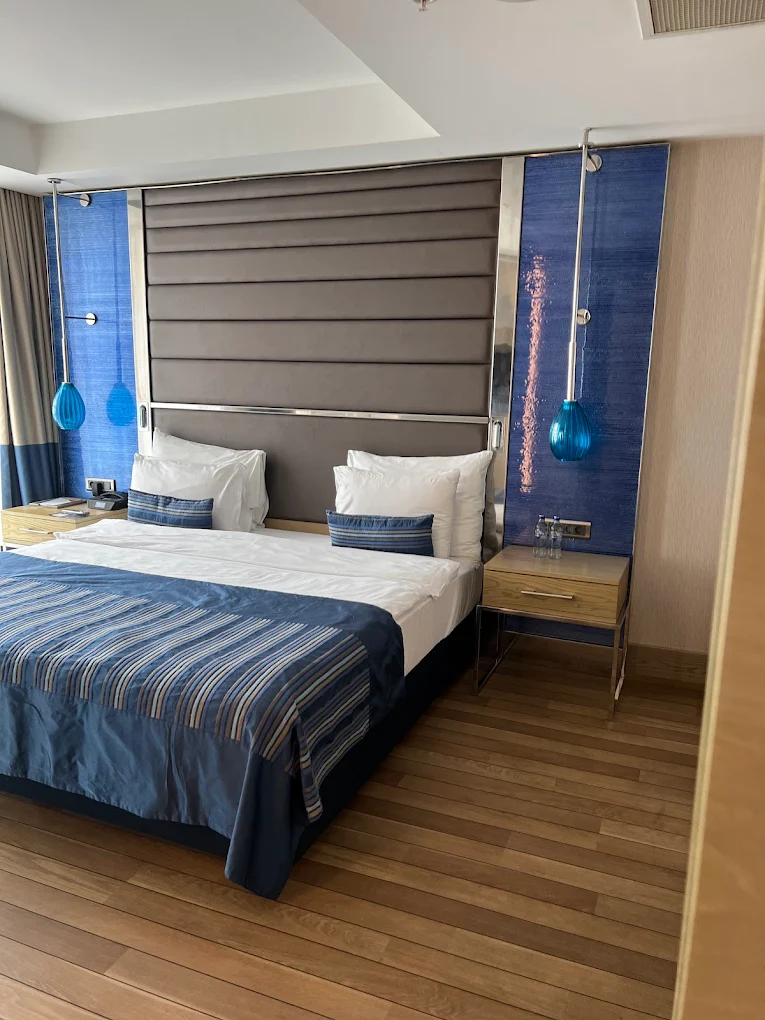
Every square meter of a hotel room must be engineered to optimize guest comfort and facilitate quick housekeeping turnarounds. The production of hotel room furniture Turkey is split into distinct functional zones, each built to precise architectural tolerances.
Zone A: The Integrated Headboard and Bed Base Assembly
The headboard is the centerpiece of the room, acting as an architectural feature and an electrical hub.
+-------------------------------------------------------------------+

|               TECHNICAL BREAKDOWN OF THE INTELLIGENT HEADBOARD    |
+-------------------------------------------------------------------+

|                                                                   |
|   [CNC CUTOUTS]      --> Pre-milled for Universal Sockets & USB-C |
|   [SERVICE CHASE]    --> Hidden 50mm Wire Pathways Behind Panels  |
|   [LED MOUNTING]     --> Recessed Aluminum Extrusions for Cooling|
|   [ACOUSTIC LAYER]   --> Fire-Retardant Fabric over Sound Foam    |
|                                                                 |
+-------------------------------------------------------------------+
- Electrical and Low-Voltage Integration: Headboards produced in Turkey are pre-routed using multi-axis CNC machines to accommodate specific international socket types (British Standard, Schuko, or US NEMA) and smart room management system (RMS) controllers. Wire pathways are hidden within a 50mm deep service chase behind the paneling, allowing hotel technicians to access wiring without damaging the wall.
- Thermal Management for LED Lighting: Recessed LED strips require proper heat dissipation to maximize their lifespan. Turkish millwork companies install aluminum extrusion channels with frosted polycarbonate diffusers directly into the wood panels. This keeps the LEDs cool and delivers smooth, indirect lighting for guests.
- Heavy-Duty Bed Bases (Sommiers): Bed bases face significant weight loads. Turkish contract variants feature powder-coated steel internal chassis wrapped in fire-retardant commercial fabrics or leatherette, eliminating the creaking sounds common in residential wooden box springs.
Zone B: The Wardrobe and Intelligent Minibar Enclosure
The wardrobe and minibar tower require careful engineering to handle heavy usage and dissipate electronic heat safely.
- Minibar Ventilation Engineering: A common cause of minibar failure is heat buildup inside enclosed joinery. Turkish-engineered minibar cabinets feature dedicated bottom air intakes and large top exhaust shafts, using aluminum grilles to create a continuous natural convection loop. The interior can also be lined with high-density acoustic foam to isolate compressor noise from the sleeping area.
- Wardrobe Hardware Systems: Wardrobe doors are equipped with heavy-duty pivots or sliding door gear rated for at least 100,000 open-close cycles. Wardrobe rods are mounted in reinforced metal sockets to prevent sagging under the weight of heavy winter coats and luggage.
Zone C: The Luggage Bench and Integrated Work Desk
- Impact Protection on Luggage Benches: Luggage benches face constant impact from rolling suitcases and metal zippers. Turkish factories protect these zones by inlaying solid brass, stainless steel, or heavy-duty rubber protection skids into the wood surface. The surrounding edges are often wrapped in impact-resistant ABS or solid wood profiles rather than thin veneers.
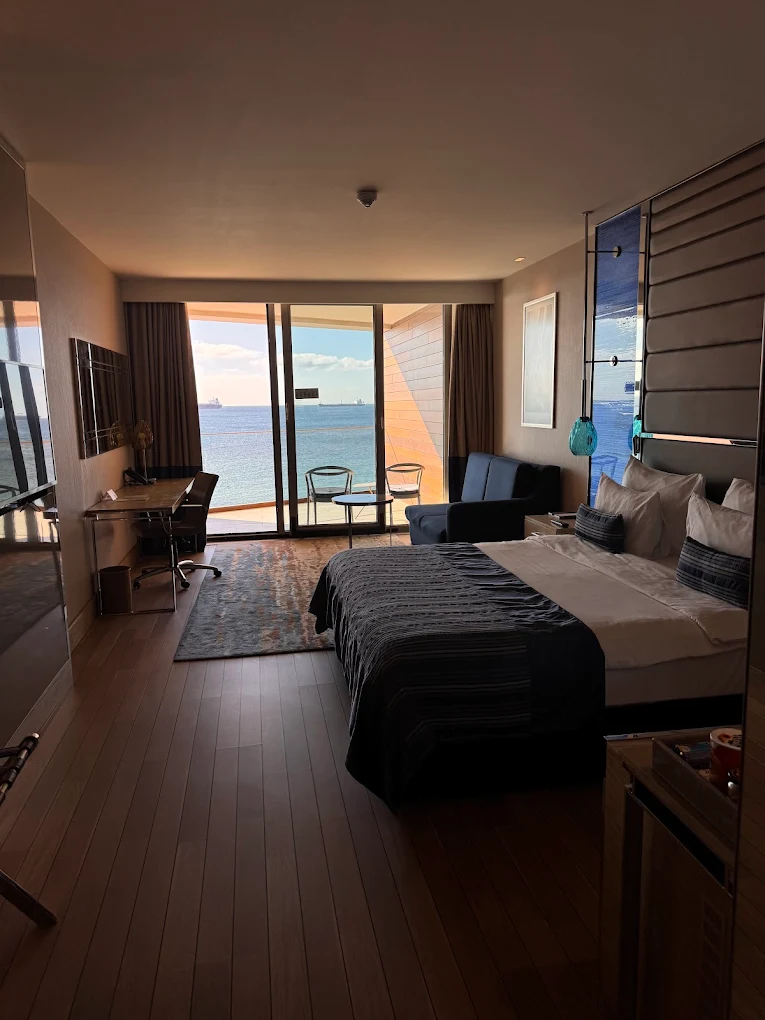
- The Ergonomic Work Desk: Desks are engineered with flush-mounted media hubs, wire-management grommets, and underside modesty panels. The desktop height is strictly calibrated to international ergonomic standards (typically 750mm) to match contract-grade task chairs.
3. High-Performance Textiles, Fire Retrancy, and Upholstery Mechanics
Upholstered furniture in a hotel guestroom—including accent lounge chairs, desk chairs, window daybeds, and fabric headboards—must look pristine while meeting strict international safety laws.
International Fire Safety Codes (Crib 5, Cal 133)
When purchasing hotel room furniture Turkey for international markets, compliance with fire-retardant (FR) standards is non-negotiable. Turkish manufacturers work with certified testing labs to build seating that complies with major global codes:
| Target Market | Fire Safety Certification Standard | Technical Testing Parameters |
|---|---|---|
| United Kingdom & GCC | BS 5852: Source 5 (Crib 5) | Uses a wooden crib structure ignited with alcohol to test if the complete upholstery layer self-extinguishes. |
| European Union | EN 1021 Part 1 & Part 2 | Evaluates the upholstery combination’s reaction to a smoldering cigarette and a match-flame equivalent. |
| United States | CAL TB 117 / CAL TB 133 | Measures the heat release rate and smoke generation of upholstered items in high-risk public spaces. |
Abrasion Resistance and Material Strength Metrics
Contract-grade fabrics utilized by Turkish hospitality suppliers are rated based on heavy-duty performance indices:
- The Martindale Rub Test: Residential fabrics generally withstand 15,000 to 20,000 rubs. In contrast, fabrics sourced for hotel room furniture Turkey seating offer minimum ratings of 50,000 to 100,000 rubs. This ensures the fabric will not wear thin, pill, or tear over years of continuous use.
- Stain and Liquid Resistance Barriers: Fabric threads are treated at the factory level with hydrophobic and oleophobic nano-coatings (such as Teflon or Crypton barriers). Liquids bead up on the surface for easy cleanup, preventing moisture from penetrating the internal cushioning where it could cause mold or odors.
Advanced Ergonomic Foam Density Construction
- High-Resiliency (HR) Polyurethane Foam: To prevent lounge chairs and desk seating from sagging or losing their shape, Turkish suppliers use cold-cure HR polyurethane foam with a minimum density of \(40\text{ kg/m}^3\) to \(55\text{ kg/m}^3\).
- Injection-Molded Seating Cores: For complex, organic chair shapes, liquid polyurethane is injected directly into custom aluminum molds containing an internal steel frame. This process yields a single, highly durable seating component that retains its structural support and shape over years of service.
4. Key Turkish Manufacturing Clusters for Guestroom Furniture
The Turkish furniture industry is organized into highly specialized geographic clusters, each focusing on distinct manufacturing methods, scales, and materials.
+-------------------------------------------------------------------+

|               MAP OF INDUSTRIAL FURNITURE CLUSTERS IN TURKEY     |
+-------------------------------------------------------------------+

|                                                                   |
|   [ISTANBUL - MASKO & MODOKO]                                     |
|   --> Ultra-Luxury Guestrooms, Custom Metal Inlays, High-End Art  |
|                                                                   |
|   [BURSA - INEGÖL]                                                |
|   --> High-Volume Modular Casegoods, Fast Turnaround Chains       |
|                                                                   |
|   [ANKARA - SITELER]                                              |
|   --> Solid Timber Joinery, Premium Veneers, Bespoke Craft        |
|                                                                   |
|   [KAYSERI - CENTRAL ANATOLIA]                                    |
|   --> Industrial Mattress Lines, Base Systems, Automated Assembly |
|                                                                 |
+-------------------------------------------------------------------+
Bursa (Inegöl): The High-Volume Modular Powerhouse
Inegöl is one of the largest furniture manufacturing clusters in Europe, driven by highly automated production facilities.
- Core Capabilities: Automated panel processing, high-volume production runs of modular guestroom casegoods, and advanced value-engineering systems.
- Ideal For: Large select-service hotels, midscale chains, and mega-resorts requiring hundreds of identical rooms matching exact architectural drawings within tight timeframes.
Istanbul (Masko, Modoko, and Tuzla): The Design and Premium Custom Center
Istanbul bridges creative interior architecture with industrial manufacturing, housing elite engineering and custom fabrication teams.
- Core Capabilities: High-end bespoke manufacturing, luxury finishes (liquid metal coatings, brushed brass, cast glass), and complex architectural millwork.
- Ideal For: 5-star luxury properties, custom boutique hotels, premium executive suites, and historic restoration projects.
Ankara (Siteler): The Artisanal Woodworking and Joinery Center
Siteler has a deep heritage in traditional woodworking, balanced today with precise CNC technology.
- Core Capabilities: High-end solid wood shaping, complex curved joinery, traditional hand-finishing, and custom veneer matching.
- Ideal For: Premium luxury guestrooms requiring intricate wood details, heavy solid timber frames, and hand-rubbed oil or lacquer finishes.
Kayseri: High-Volume Upholstered Bases and Mattresses
Kayseri is an industrial hub focused on heavy manufacturing efficiency and advanced bedding textiles.
- Core Capabilities: Automated mattress production lines, structural steel bed bases, mechanical sofa-beds, and high-volume upholstered luggage stools.
- Ideal For: Large rollouts of high-density mattresses and heavy-duty bed bases for major international hotel chains.
5. The Comprehensive B2B Sourcing Lifecycle in Turkey
Successfully procuring hotel room furniture Turkey requires a structured, multi-phase workflow. This methodology bridges the gap between conceptual interior design renderings and actual, on-site installation.
+---------------------------------------------------------------------------------------+

|                         THE B2B GUESTROOM PROCUREMENT WORKFLOW                        |
+---------------------------------------------------------------------------------------+

|                                                                                       |
|  [PHASE 1: TECHNICAL BOQ ANALYSIS & VALUE ENGINEERING]                                |
|  --> Review Material Specifications, Structural Substitutions, Cost-Benefit Math     |
|                                                                                       |
|  [PHASE 2: SHOP DRAWING DEVELOPMENT & CAD SIGN-OFF]                                   |
|  --> Convert Renderings to 1:20 Construction Blueprints, Define Joinery Tolerances     |
|                                                                                       |
|  [PHASE 3: THE PHYSICAL MOCK-UP GUESTROOM]                                            |
|  --> Build 1:1 Scale Prototypes, C-Suite Quality Check, Stress-Test Functionality    |
|                                                                                       |
|  [PHASE 4: MASS MANUFACTURING & IN-LINE QA]                                          |
|  --> Automated Panel Cutting, High-Pressure Laminating, Multi-Point Structural Checks |
|                                                                                       |
|  [PHASE 5: CUSTOM PACKAGING & LOGISTICS OPTIMIZATION]                                  |
|  --> High-Density Corner Foam Wrapping, Drop Testing, Software-Guided Container Packing|
|                                                                                       |
|  [PHASE 6: ON-SITE FIELD ASSEMBLY & FINAL HANDOVER]                                   |
|  --> Turnkey Installation by Factory Crews, Scribing Millwork, Final Alignment Adjustments|
+---------------------------------------------------------------------------------------+
Phase 1: Technical BoQ Analysis and Value Engineering (VE)
The procurement cycle begins with the developer’s Bill of Quantities (BoQ) and interior design packet. Turkish estimation engineers review the documentation to identify structural improvements and cost savings.
- Smart Material Swaps: If a designer specifies a solid exotic wood for a large wardrobe door, the factory’s engineering team may suggest a balanced engineered core wrapped in a premium natural veneer. This retains the exact visual look while preventing warping and reducing project costs.
- Hardware Alignment: The team reviews the specified hardware to ensure drawer slides and hinges match the property’s expected turnover and operational lifespan.
Phase 2: Technical Shop Drawing Development
Once initial contracts are finalized, the factory’s drafting team creates high-precision shop drawings, typically at 1:20 and 1:1 scales.
- Engineering Precision: These drawings specify exact joint details (such as mortise-and-tenon or dowel systems), edge profiles, internal reinforcing blocks, clearing tolerances for wall irregularities, and pre-routed wiring pathways.
- Final Approval: Production begins only after the client’s lead architect and interior designer formally approve these drawings.
Phase 3: The 1:1 Physical Mock-Up Room
The mock-up room is a critical milestone in hospitality procurement. The Turkish factory produces a single, fully operational 1:1 scale prototype of every piece of furniture specified for the guestroom.
- Real-World Evaluation: The mock-up allows the hotel owner, brand managers, and designers to physically inspect color finishes under realistic lighting, test door and drawer clearances, verify power outlet locations, and run real-world stress tests.
- Design Optimization: Any adjustments made during the mock-up review are documented and integrated into the final blueprints before launching mass production.
Phase 4: Mass Production and In-Line Quality Assurance
With mock-up approval complete, mass production begins across specialized lines. Advanced Turkish facilities deploy rigorous quality control protocols:
- Moisture Content Checks: Handheld digital hygrometers confirm that timber inputs maintain a stable 6% to 8% moisture level, preventing warping when exported to different climates.
- Trial Assemblies: Before final finishing and packaging, random casegood samples are assembled on calibrated steel test floors to guarantee squareness, level tracking, and flush joints.
Phase 5: Protective Packaging and Logistical Planning
Hospitality furniture undergoes multiple handling steps during transit, requiring robust protective packaging.
- Packaging Engineering: High-polished wood surfaces are protected with non-abrasive polyethylene sheets. Edges receive thick, multi-layer corrugated cardboard corner caps, and items are packed into heavy-duty double-wall boxes certified by international drop tests.
- Container Cube Optimization: Logistics engineers utilize container-loading software to plan the exact placement of boxes inside sea containers or trucks. This maximizes volume efficiency, reduces shipping costs, and prevents shifting during transport.
Phase 6: Turnkey On-Site Field Installation
Many top-tier manufacturers of hotel room furniture Turkey offer turnkey, on-site assembly and installation services worldwide.
- Expert Field Crews: Experienced installation teams travel directly to the hotel site. They manage unboxing, handle custom scribing and alignment of architectural millwork against uneven walls, integrate electrical outlets, and make final hardware adjustments.
- Seamless Delivery: This turnkey service ensures the high quality engineered at the factory transfers perfectly to the physical hotel rooms.
6. Sustainable Production, ESG Compliance, and Green Hotel Points
Modern hospitality operators place environmental sustainability and ESG metrics at the center of their supply chain decisions. The Turkish furniture sector has adapted swiftly to these requirements.
+-------------------------------------------------------------------+

|               CONTRIBUTION OF TURKISH FURNITURE TO GREEN LEVALS   |
+-------------------------------------------------------------------+

|                                                                   |
|   [FSC MATERIALS]    --> E1/E0 Certified Low-Formaldehyde Wood    |
|   [AIR QUALITY]      --> Water-Based Lacquers / Zero VOC Emissions|
|   [LOGISTICS CO2]    --> Direct Trucking into Europe Saves Fuel   |
|   [WASTE REDUCTION]  --> CNC Optimization Minimizes Scrap Timber  |
|                                                                   |
+-------------------------------------------------------------------+
FSC Timber Tracking and Chain of Custody
The use of unvetted or illegally harvested timber poses a significant compliance and reputational risk for global hotel brands.
- Certified Sourcing: Leading Turkish contract manufacturers maintain FSC (Forest Stewardship Council) and PEFC certifications.
- Verifiable Tracking: This ensures that all wood fiber used in guestroom furniture can be traced back to responsibly managed forests that preserve biodiversity and respect local labor laws.
E1 & E0 Low-Formaldehyde Emission Certifications
Indoor Air Quality (IAQ) is critical for guest health and comfort.
- The Safety Standard: Standard industrial adhesives can emit volatile organic compounds (VOCs) like formaldehyde over time.
- The Technical Solution: Export-grade Turkish factories use engineered wood substrates certified to E1 or E0 international standards. This ensures formaldehyde emissions remain near zero, keeping guestrooms safe and free of chemical odors from day one.
Earning Points for Green Building Schemes (LEED & BREEAM)
Sourcing guestroom furniture from Turkey can help projects achieve points toward LEED or BREEAM green building certifications:
- Carbon-Efficient Transport: For projects across Europe, North Africa, and the Middle East, Turkey’s geographical location allows for direct road freight or short sea shipping. This yields a much lower transportation carbon footprint than shipping heavy furniture across oceans from East Asia.
- Eco-Label Coatings: Factories utilize water-based polyurethane stains and bio-resins rather than traditional solvent-based varnishes. This qualifies under the low-emitting materials category in green building evaluation matrices.
7. Comparative Industry Analysis: Sourcing Turkey vs. Global Hubs
To make an informed B2B procurement decision, it is valuable to compare Turkey’s guestroom furniture sector directly with other global manufacturing hubs.
| Structural Evaluation Metrics | Turkish Guestroom Market | Western European Hubs (Italy/Germany) | East Asian Hubs (China/Vietnam) |
|---|---|---|---|
| Bespoke Engineering Flexibility | Exceptional. Production lines adapt quickly to custom designer drawings and low-to-medium volume runs. | Superb. World-class design legacy, but commands premium engineering premiums. | Moderate. Factories strongly prefer high-volume, standardized catalog runs over custom details. |
| Value Engineering Options | High. In-house engineering teams actively propose substrate and hardware optimizations. | Low. Relies on rigid material selections with minimal flexibility for budget adjustments. | High. Capable of deep value reductions, but requires close quality monitoring to prevent issues. |
| Logistical Lead Times (to EMEA) | Rapid. 4–7 days road freight into Europe; short sea shipping lanes into the GCC region. | Excellent. Quick regional transport, but often offset by longer production backlogs at the factory. | Extended. Requires 30–45 days of ocean shipping, facing volatile container rates and port delays. |
| Structural Joint Engineering | High. Relies on heavy dowel and mortise-and-tenon construction. | Master Class. Premium construction methods, though limited by high labor costs. | Variable. Highly automated processes, but can lack the nuance required for bespoke hand-crafted items. |
| Regulatory & ESG Compliance | Full. Strict compliance with European Union standards, fire codes, and FSC regulations. | Absolute. Industry-leading compliance, though accompanied by complex administrative paperwork. | Inconsistent. Requires independent third-party audits to reliably verify environmental and labor standards. |
8. Technical Checklist for Hotel Room Furniture Procurement Contracts
When drafting an international B2B contract for hotel room furniture Turkey production, including precise technical clauses protects your investment and ensures high-quality results.
- Substrate Specification: Define the exact core materials by name and rating (e.g., 18mm High-Density MR-MDF with E1 certification). Avoid vague terms like “engineered wood” or “particleboard.”
- Adhesive Class: Require the use of PUR (Polyurethane) Reactive hot-melt for all edge-banding operations on nightstands, desks, and vanity items.
- Hardware Branded Lines: Specify the exact brand name and model lines for functional hardware (e.g., Blum Movento soft-close drawer runners with integrated liquid dampening, Blum clip-top hinges).
- Fire Retrancy Compliance Certification: State the exact fire code required for your target market (e.g., Complete seating item must be certified to BS 5852 Source 5 Crib 5 code, utilizing fire-barrier interliners).
- Climate Conditioning Metrics: Specify that all raw solid wood timber must be kiln-dried to a moisture content of \(7\%\pm1\%\) before processing, protecting the furniture against warping after export.
- Attic Stock Allocation (Operational Spares): Include an attic stock requirement of 2% to 4% within the main production run for high-wear elements (such as extra drawer front panels, touch-up lacquer kits, matching fabrics, and spare cabinet keys).
9. Conclusion: Securing Long-Term Asset Value
The guestroom is the primary generator of revenue for any hotel property. Investing in high-performance hotel room furniture Turkey manufacturing allows developers to balance luxury design with exceptional structural durability and financial efficiency. By leveraging modern automated machinery, strict EU safety certifications, and deep-rooted woodworking traditions, Turkish contract factories deliver custom furniture that withstands heavy commercial use.
For international hospitality procurement professionals, sourcing from Turkish clusters minimizes supply chain risks, ensures predictable logistical timelines, and lowers maintenance overhead. Partnering with specialized Turkish hospitality furniture manufacturers creates beautiful, high-performance guestrooms that protect your property’s long-term asset value and enhance the guest experience.
To help optimize your hotel room furniture procurement plan, let me know:
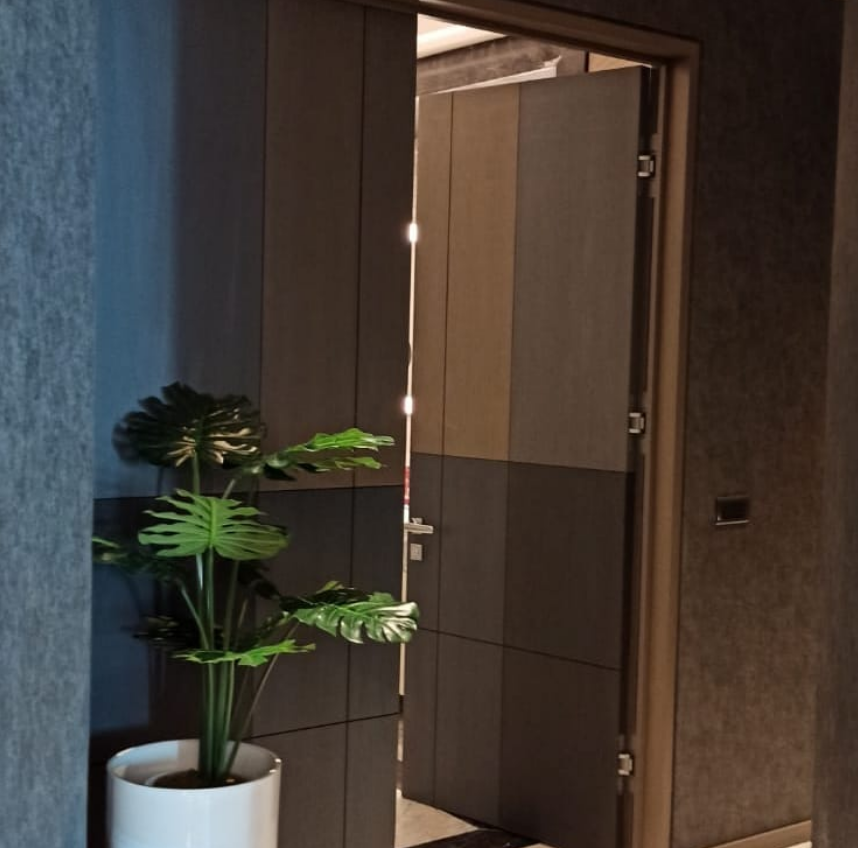
Butik Otel Mobilyaları
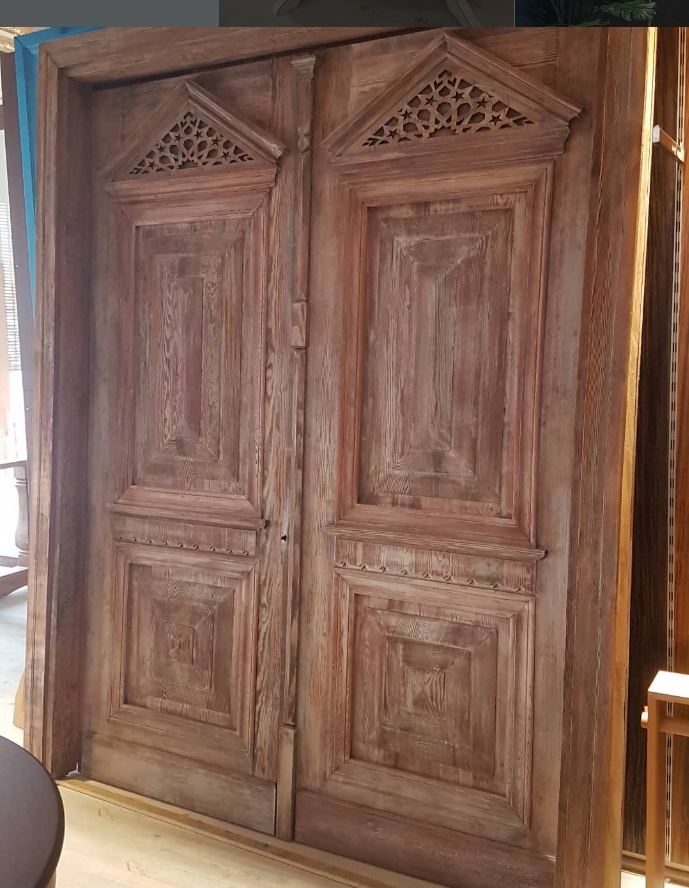
Butik Otel Mobilyaları
Butik Otel Mobilyaları
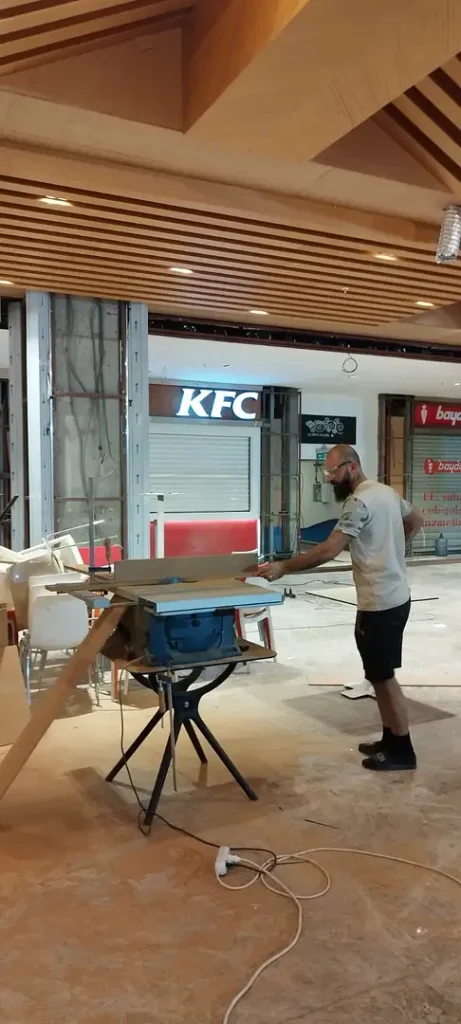
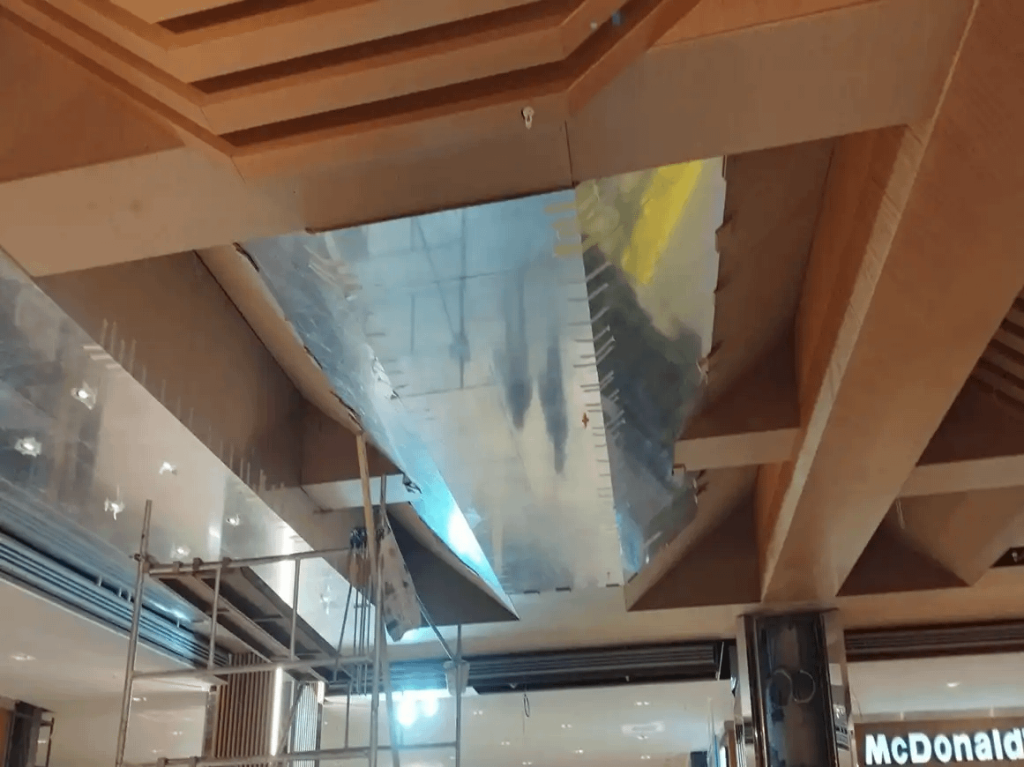
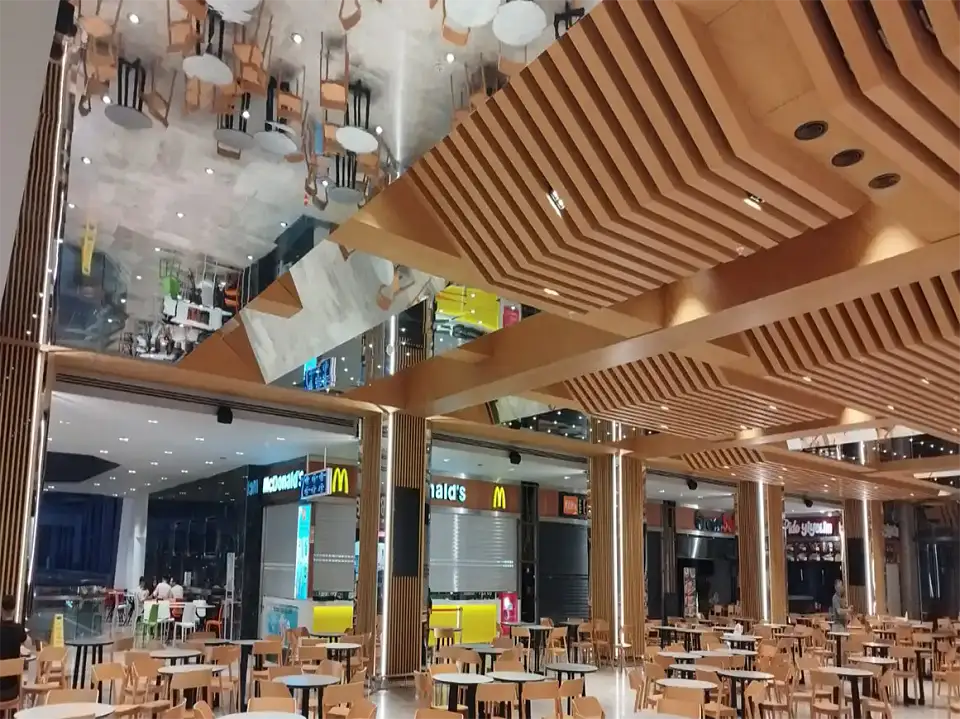
Tarihi Binaların Ahşap Dekorasyonları
Tarihi Ahşap restorasyonlari Kapılar
Tarihi binaların mobilya dekorasyonları
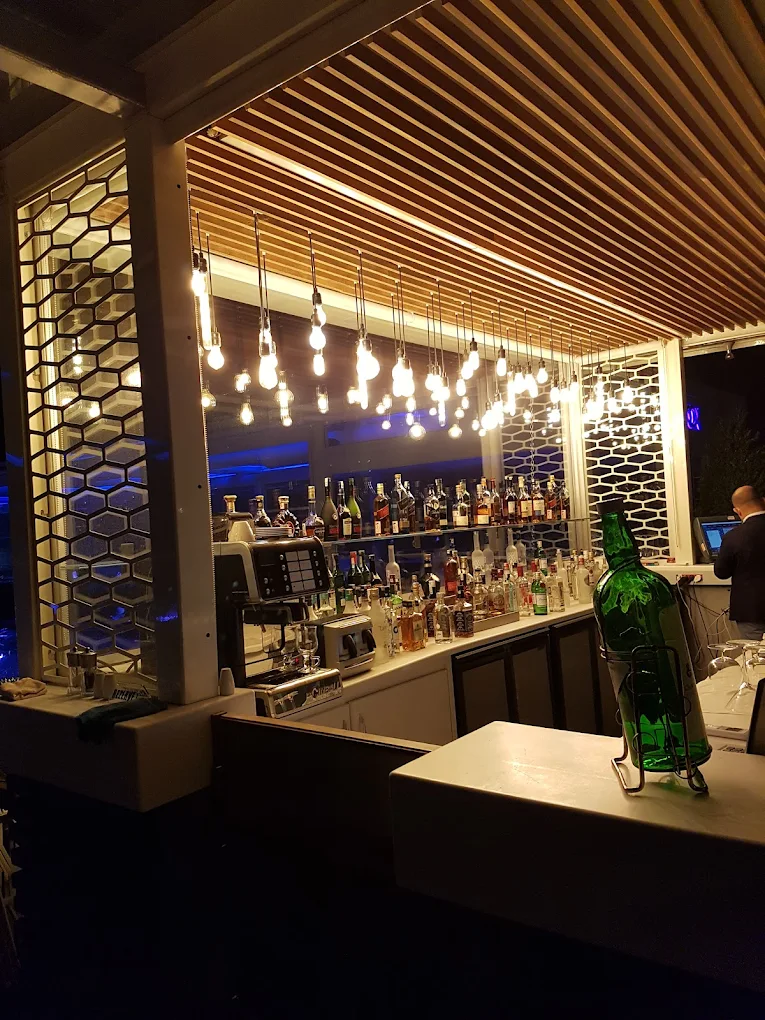
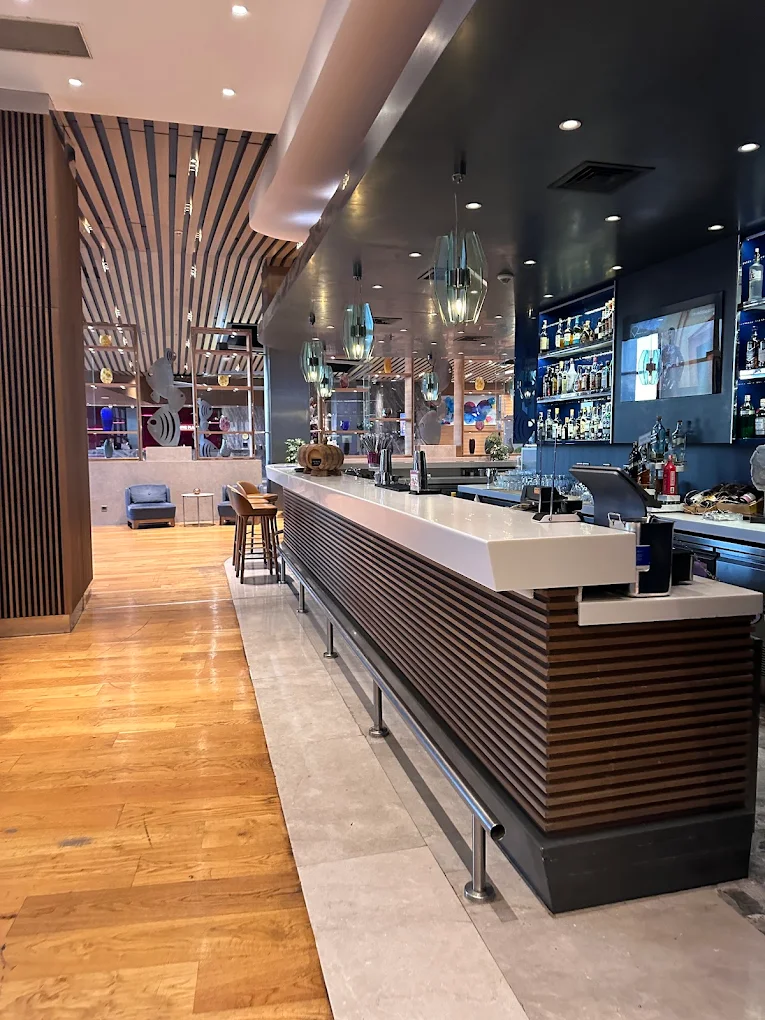
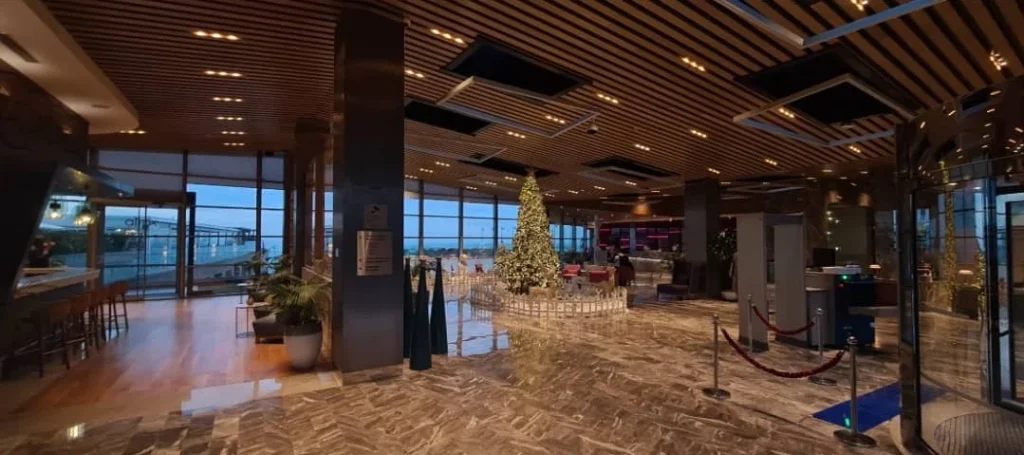
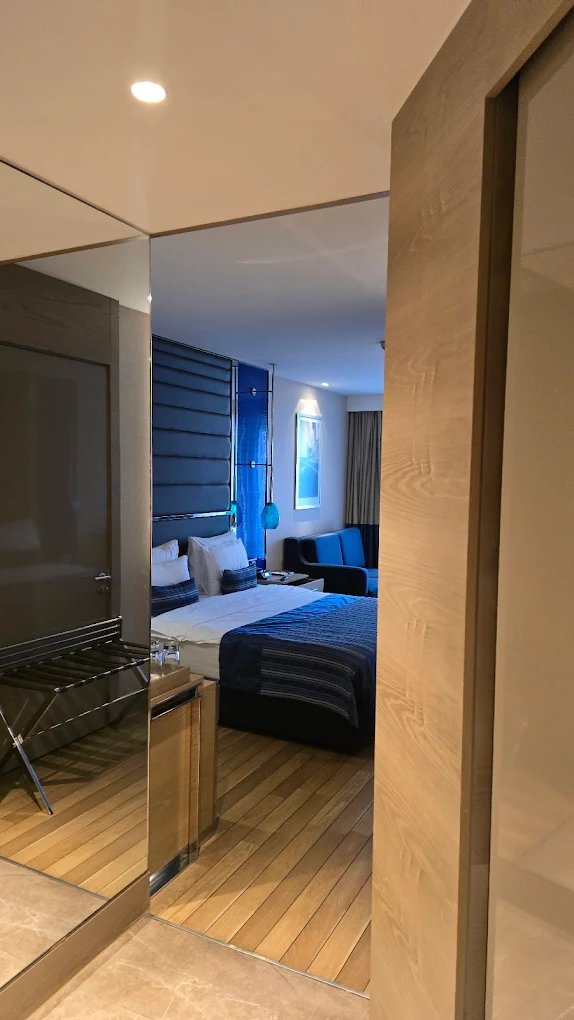
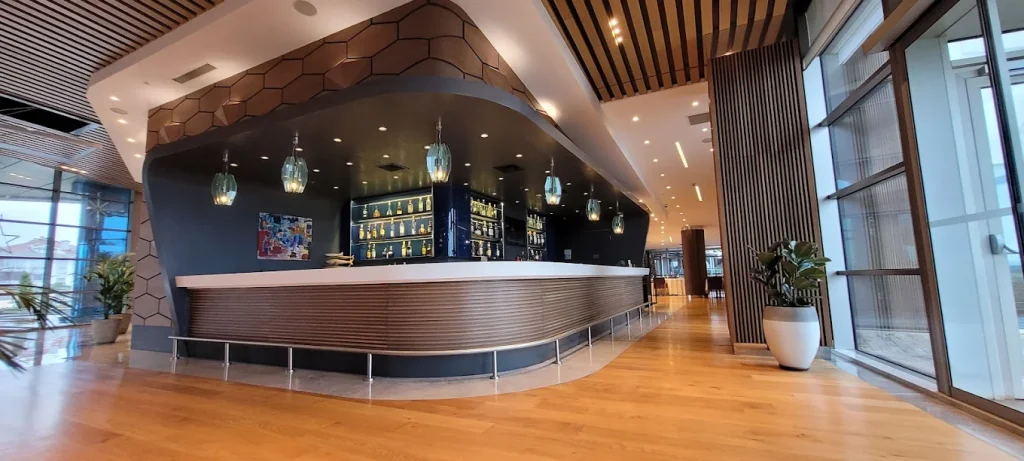
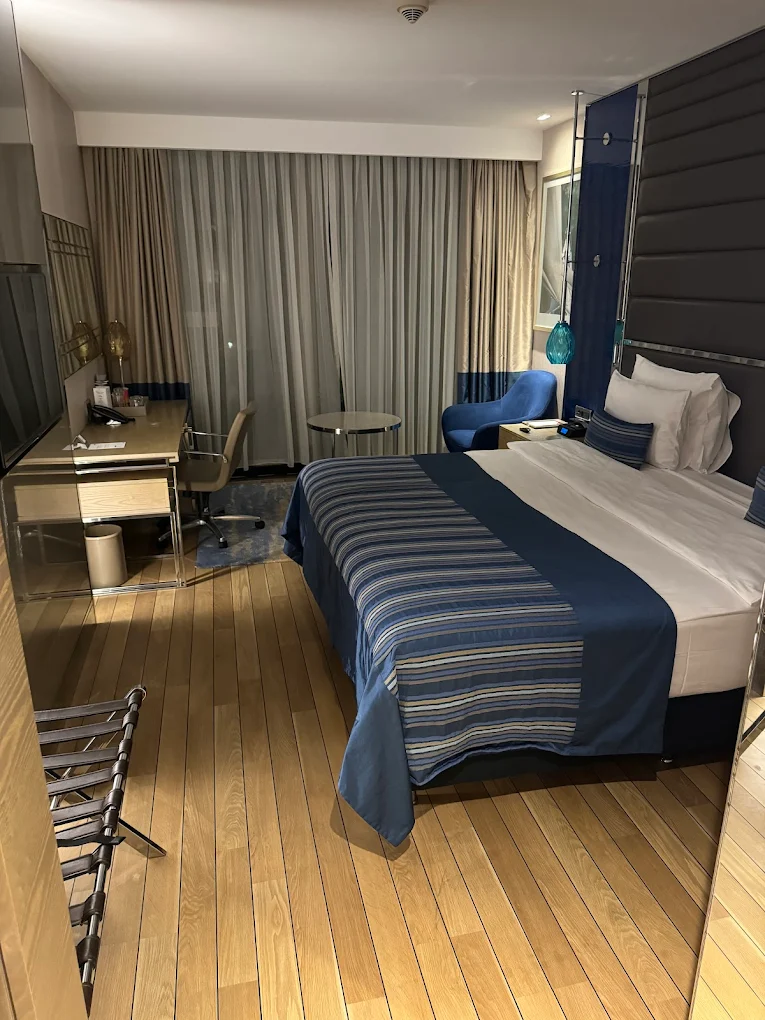
Butik Otel Mobilyaları


Etiket:Antique Hotel Furniture Turkey, Classic Hotel Furniture Turkey, Custom Production Hotel Furniture Turkey, Fire-Rated Hotel Furniture Turkey, Hotel Bed Base Manufacturers Turkey, Hotel Furniture Decoration Companies Turkey, Hotel Furniture Export Turkey, Hotel Furniture Technical Specifications Turkey, Hotel Hospitality Furniture Turkey, Istanbul Hotel Furniture Turkey, Melamine Faced MDF Hotel Furniture Turkey, Minimalist Hotel Room Turkey, Mountain Hotel Furniture Turkey, Open Wardrobe Models Turkey, Rustic Hotel Furniture Turkey, Solid Hotel Furniture Turkey, Thermal Hotel Furniture Turkey, Wholesale Hotel Furniture Turkey

Şunları da sevebilirsiniz
Pozantı Otel Mobilyaları | Adana Otel Mobilya Üretimi
Pozantı Otel Mobilyaları | Adana Otel Mobilya Üretimi