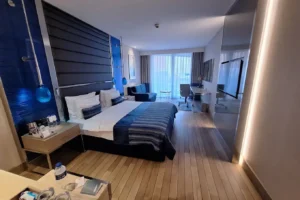
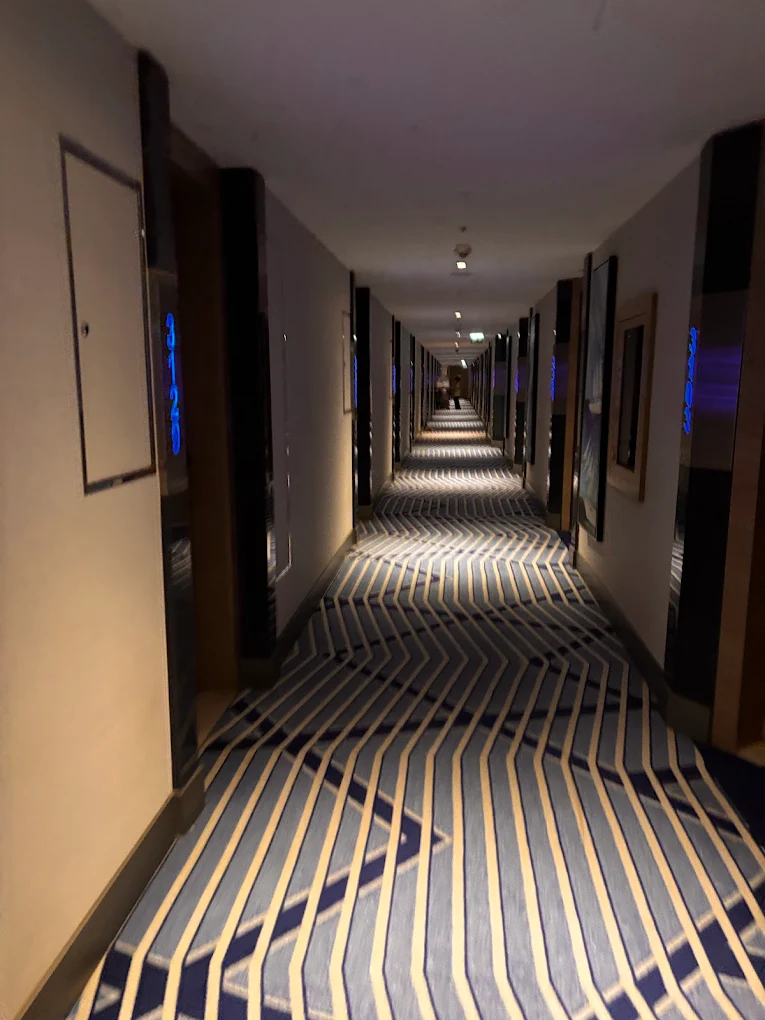
Fireproof Hotel Furniture Turkey
The engineering, fabrication, and procurement of flame-retardant FF&E (Furniture, Fixtures, and Equipment) represent one of the most critical life-safety segments within commercial hospitality real estate. Sourcing Fireproof Hotel Furniture Turkey offers international hotel groups, real estate developers, and general contractors a highly reliable, vertically integrated supply chain. This industrial framework seamlessly blends strict global fire compliance with custom architectural design.
In public spaces, corridors, and private guestrooms, furniture items must serve as certified barriers against flame spread and toxic gas production, directly satisfying local building codes.
This definitive technical manual provides an exhaustive blueprint of the materials science, combustion mechanics, international testing regimes, value-engineering protocols, and procurement workflows that define the Turkish fire-rated contract furniture sector.
Fireproof Hotel Furniture Turkey: The Definitive Industrial Guide to Flame-Retardant FF&E, Combustion Materials Science, and Global Procurement Engineering
Within commercial property development, furniture choices directly impact a building’s life-safety profile, structural insurance liabilities, and municipal border clearances. A hotel room or public lobby is an enclosed environment where an accidental fire can rapidly escalate into a flashover event if fueled by standard residential-grade furnishings. Consequently, hospitality contract furniture cannot be treated as a mere aesthetic asset class. Every upholstered lounge sofa, headboard panel, wardrobe chassis, and window textile must be mechanically engineered to resist ignition, slow down flame propagation, and minimize smoke opacity.
Sourcing Fireproof Hotel Furniture Turkey has transitioned from a strategic cost-saving alternative into a primary global pathway for the world’s most demanding hospitality projects. Turkish contract manufacturers occupy a dominant position in international procurement by successfully bridging the gap between mass-market consumer lines and hyper-expensive European boutique workshops. By operating advanced industrial automated production complexes fully certified to European (EN), British (BS), French (NFP), and American (NFPA/ASTM) testing standards, Turkey delivers high-end custom fabrication tailored perfectly to complex architectural layouts.
This technical guide delivers an in-depth, peer-reviewed analysis of the combustion physics, material chemical treatments, regional manufacturing clusters, value-engineering strategies, and international trade logistics required to execute a high-performance, fire-compliant project using Turkish manufacturing infrastructure.
1. The Strategic Value Proposition of Sourcing Fire-Rated FF&E from Turkey
The global marketplace for high-occupancy contract furniture requires rapid prototyping, absolute fidelity to complex design drawings, and competitive landed costs. Sourcing Fireproof Hotel Furniture Turkey offers distinct structural, macroeconomic, and geographical advantages that directly protect an investor’s capital allocation and project timeline.
Geopolitical Logistics and Compressed Supply Windows
Turkey occupies a vital geographic position bridging Europe, Asia, and the Middle East. This strategic location acts as a critical operational advantage during the high-velocity phases of a hotel fit-out or comprehensive property renovation.
While sourcing custom elements from East Asian manufacturing centers requires long maritime shipping loops that can delay project momentum, manufacturers of Fireproof Hotel Furniture Turkey can dispatch custom-built furniture sets via overland mega-trailers directly to central European capitals within 5 to 10 days, or via short-sea shipping lines to the GCC region within 8 to 14 days.
This rapid transit window is especially critical during the pre-production sample approval phase, allowing design teams to implement adjustments without introducing multi-month delays to the critical path of the construction schedule.
Deep Vertical Supply Chain Integration
One of the most compelling advantages of manufacturing Fireproof Hotel Furniture Turkey is the completely self-contained domestic supply chain. High-end fire-rated furniture rarely relies on a single material; a luxury lounge chair or statement credenza frequently incorporates premium hardwoods, fire-blocked padding, cast metals, and performance contract textiles.
Turkey houses all of these advanced industrial and chemical disciplines within tight regional clusters. A premier Turkish contract manufacturer routinely manages chemical timber treatment, precision metallurgy, multi-layer foam molding, and textile weaving under one corporate umbrella. This high level of vertical integration eliminates multi-layered subcontractor markups, minimizes communication errors, and ensures complete structural accountability across the entire procurement run.
Preferential Trade Status and Tariff Mitigation
For European and international developments, the financial landscape of procurement is highly optimized when sourcing Fireproof Hotel Furniture Turkey. Under the long-standing EU-Turkey Customs Union agreement, industrial goods manufactured in Turkey enter the European Union entirely free of customs duties when accompanied by an A.TR movement certificate.
This duty-free status, combined with Turkey’s highly competitive industrial energy structures and abundant skilled artisan labor base, allows developers to allocate more budget toward ultra-premium surface materials, exotic wood species, and advanced hardware configurations rather than administrative import tariffs.
2. Combustion Physics and Material Science of Fire-Rated Seating
To understand the engineering behind Fireproof Hotel Furniture Turkey, one must look past surface textiles and examine the complete cross-sectional chemistry of a commercial upholstered assembly. If a single material layer is non-compliant, the entire furniture item can cause a testing failure.
+--------------------------------------------------------------------------+

|             TECHNICAL CROSS-SECTION OF A FIRE-RATED SEATING INFRASTRUCTURE|
+--------------------------------------------------------------------------+

| [Aesthetic Face]  -> Inherently Flame-Retardant (IFR) Performance Fabric |
| [Fire-Blocker Layer]-> Glass-Fiber / Para-Aramid Combustion Shield       |
| [Cushioning Core] -> Combustion-Modified High-Resiliency (CMHR) Foam     |
| [Inner Chassis]   -> Kiln-Dried Solid Hornbeam treated with Intumescent  |
+--------------------------------------------------------------------------+
Combustion-Modified High-Resiliency (CMHR) Foam Engineering
The internal cushioning foam represents the largest single volume of potential fuel within a hospitality chair or sofa. Traditional polyurethane foam burns aggressively, releasing intense thermal energy and toxic hydrogen cyanide gas.
- Turkish contract factories replace standard cushioning with specialized Combustion-Modified High-Resiliency (CMHR) foams with densities ranging from 40 kg/m³ to 50 kg/m³.
- The Chemical Retardant Matrix: During the chemical formulation of CMHR foam, flame-retardant additives—such as melamine particles, hydrated alumina, or chlorinated phosphate esters—are permanently cross-linked into the polymer matrix.
- The Char-Forming Behavior: When exposed to a direct flame, these internal chemical additives react instantly to form a dense, carbonaceous char layer on the foam surface. This char layer cuts off the oxygen supply and isolates the underlying foam core, causing the material to self-extinguish rather than fuel the fire.
Interliner Technology and Woven Fire Blocks
For public zones with strict life-safety requirements, Turkish contract engineers integrate a hidden fire-blocking interliner layer between the exterior fabric and the internal CMHR foam core.
- Material Matrix: These high-performance interliners are woven from non-combustible fiberglass strands, para-aramid fibers (Kevlar), or flame-retardant modacrylic blends.
- Thermal Containment: This inner barrier forms an airtight shield that blocks oxygen from reaching the inner padding layers and stops liquid melting polymer drops from escaping. This containment drastically delays the time to flashover, buying critical minutes for hotel guests to evacuate during an emergency.
Technical Performance Textiles: IFR vs. Topical Treatment
When procuring Fireproof Hotel Furniture Turkey, understanding the technical fabric construction is vital for calculating long-term operational wear metrics.
- Inherently Flame-Retardant (IFR) Fibers: Woven from specialized polymers like Trevira CS or custom modified polyolefins. The flame-retardant properties are built directly into the fiber’s molecular structure, meaning the protection can never wash out, fade, or degrade over time, even after repeated commercial steam cleanings.
- Topical Chemical Flame Treatments: Natural fibers (such as linen, cotton, or wool) are passed through liquid chemical baths containing ammonium polyphosphate complexes. While cost-effective, these surface treatments can gradually wear away after intensive commercial cleanings. Therefore, Turkish contract factories explicitly document treatment lifespans within their technical specifications to maintain ongoing code compliance.
3. Structural Frameworks and Chemical Timber Modifications
Freestanding wooden casegoods, wall panels, entry doors, and internal seating frames built by manufacturers of Fireproof Hotel Furniture Turkey undergo specific structural modifications to resist flame spread and smoke development.
Kiln-Dried Solid Hornbeam Inner Framing
Turkish contract seating utilizes solid, kiln-dried European Hornbeam (Carpinus betulus) or heavy-duty Beech wood structures. Hornbeam features an exceptionally dense, interlocked grain profile that naturally resists ignition longer than porous softwoods like pine. The timber is slowly kiln-dried down to an internal moisture window of 6% to 10% to eliminate structural shifting. Its dense grain holds fire-rated structural dowels and mechanical fasteners with extreme tenacity, ensuring structural stability under high thermal strain.
Vacuum Pressure Impregnation (VPI) Wood Treatments
For architectural wooden wall paneling in corridors and exit ways, Turkish woodwork plants utilize advanced Vacuum Pressure Impregnation (VPI) chambers to apply flame-retardant chemicals deep into the wood fibers.
- The Extraction Process: Raw timber panels are placed inside a sealed steel cylinder where a deep vacuum is pulled to extract air and moisture out of the wood’s microscopic cellular structures.
- The Pressure Impregnation Process: The cylinder is flooded with liquid fire-retardant salts, and intense hydraulic pressure (exceeding 12 bars) is applied to force the chemicals deep into the core of the timber.
- The Thermal Performance: When VPI-treated wood encounters fire, the impregnated salts trigger an endothermic reaction. The salts release chemical moisture molecules that cool the wood surface and form a protective carbon char ring, shifting the timber from a flammable material to a fire-retardant barrier.
Intumescent Clear Coatings and Lacquers
If designers specify natural exotic wood veneers for guestroom desks and wardrobes, Turkish factories protect these surfaces using specialized multi-layered intumescent clear varnishes complying with EN 13501-1 standards. These advanced clear coats maintain the natural beauty of the wood grain under normal use.
However, when ambient temperatures cross 150°C during a fire, the lacquer expands into a thick, insulating carbonaceous foam layer that shields the underlying wood from thermal energy and stops flame spread across the furniture surfaces.
4. International Regulatory Compliance and Fire Testing Codes
Global hospitality groups mandate strict compliance with localized building safety regulations. Suppliers of Fireproof Hotel Furniture Turkey align their testing protocols and material verification tracks with the world’s most rigorous certification paths.
+-------------------------------------------------------------------------+

|              INTERNATIONAL FIRE-SAFETY COMPLIANCE MATRIX                |
+-------------------+--------------------+--------------------------------+

| TESTING STANDARD  | TARGET GEOGRAPHY   | PERFORMANCE CRITERIA           |
+-------------------+--------------------+--------------------------------+

| BS 5852 (Crib 5)  | United Kingdom /   | Evaluates complete upholstered |
|                   | Middle East / GCC  | structures using a wood crib   |
+-------------------+--------------------+--------------------------------+

| EN 1021 Part 1 & 2| European Union /   | Standardized test utilizing    |
|                   | International      | cigarette and match simulators |
+-------------------+--------------------+--------------------------------+

| CAL 133 /         | North America /    | Large-scale room calorimeter   |
| ASTM E1537        | Global Brand Specs | tracking peak heat release rate|
+-------------------+--------------------+--------------------------------+

| EN 13501-1        | European Union     | Classifies flame, smoke (s1),  |
|                   | (Wall Panels/Wood) | and dripping droplet (d0) paths|
+-------------------+--------------------+--------------------------------+
BS 5852 Crib 5: The Standard for High-Occupancy Spaces
The British Standard BS 5852 Source 5 (Crib 5) is a strict requirement for hotels across the UK, Commonwealth nations, and the Middle East.
- The Mechanical Test Design: A small, standardized wooden structure resembling a crib is assembled using five tiers of pine sticks, treated with a precise volume of isopropyl alcohol, and placed directly onto the intersection of the upholstered chair seat and backrest.
- The Passing Benchmarks: Once ignited, the complete upholstered seating item must successfully self-extinguish within 10 minutes. Furthermore, any smoke or flame development must remain localized, and the total weight loss of the assembly must stay within strict baseline limits, proving the structural self-extinguishing behavior of the CMHR foam and fabric systems.
EN 1021 Part 1 & 2: The European Baseline
Universal across the European Union, this standard simulates common accidental ignition sources found inside a standard guestroom.
- Part 1 (Smoldering Cigarette Test): A lit cigarette is placed in the joint between the seat cushion and backrest to monitor whether the materials trigger a smoldering fire.
- Part 2 (Match Flame Equivalent): A small propane gas burner tube is ignited to simulate an open match flame contact for 15 seconds, verifying that the fabric self-extinguishes once the flame source is removed.
California Technical Bulletin 133 (CAL 133) and ASTM E1537
The ultimate flame-testing protocol for global luxury brands in high-occupancy public areas is CAL 133. This is a destructive, large-scale test conducted within a fully monitored room calorimeter.
- The Evaluation Protocol: A complete, finished commercial lounge chair or sofa is placed inside the test chamber and subjected to a heavy square gas burner blast delivering a massive 19 kW thermal load directly against the upholstery for a full 80 seconds.
- The Safety Criteria: To pass this intense testing path, the furniture piece must keep its peak heat release rate below 100 kW, limit total heat release to under 25 MJ within the first 10 minutes, and maintain strict limits on smoke opacity to prevent occupant blinding during an emergency evacuation. Turkish manufacturers certified for CAL 133 maintain dedicated material tracking pipelines to ensure complete compliance with these stringent criteria.
5. Regional Manufacturing Clusters in Turkey
The industrial layout of Turkey’s furniture industry is organized into distinct geographic clusters. Each region features specific manufacturing focus areas, specialized machinery layouts, and artisanal histories that must be precisely matched to a project’s unique design vocabulary.
İnegöl (Bursa): Automated Customization and Panel Yield Engineering
Situated within the industrial Bursa province, İnegöl is an international contract manufacturing hub utilizing highly advanced factory automation systems, exporting high-precision contract furnishings to over 150 nations.
- Industrial Infrastructure: Encompasses expansive industrial machinery parks equipped with automated multi-axis CNC routing complexes, multi-tier hot presses for fire-rated laminates, and computerized panel edge-banding systems.
- Strategic Best Use: Ideally configured for mass-customization across large-scale 3-star, 4-star, and extended-stay properties. İnegöl manufacturers excel at producing hundreds of identical, highly uniform fire-rated guestroom casegoods, wardrobe networks, and corridor panel designs with strict dimensional accuracy and rapid turnaround speeds.
Istanbul: The Nexus of Bespoke Luxury and Multi-Material Art Engineering
The industrial perimeters of Istanbul—specifically including highly specialized production facilities in Hadımköy, Tuzla, and Dudullu, supported by creative presentation platforms in Masko and Modoko—serve as the creative and engineering core for ultra-luxury international hospitality common spaces.
- Industrial Infrastructure: Advanced metallurgical divisions, internal chemical testing laboratories, and precision multi-material alignment facilities.
- Strategic Best Use: Sourcing Fireproof Hotel Furniture Turkey from Istanbul is the preferred strategy for 5-star ultra-luxury properties, complex flagship lobbies, boutique suite fit-outs, and projects requiring complex custom engineering like oversized flush-to-wall pivot doors. Istanbul manufacturers work closely with top-tier architectural firms to turn complex concept sketches into fully certified, functioning real-world installations.
Kayseri: Mega-Scale Industrial Output and Specialized Bedding Infrastructure
Located in Central Anatolia, Kayseri houses some of the most expansive and automated furniture manufacturing complexes across the EMEA region.
- Industrial Infrastructure: Expansive conveyor-driven assembly plants, heavy metal stamping machinery, automated spring-coiling centers, and high-volume mattress lines.
- Strategic Best Use: High-volume economy hotels, mega-resorts, and student or workforce housing developments requiring thousands of uniform, highly durable bed bases, mattresses, and pull-out sofa beds. Kayseri is the primary destination for bulk volume capacity and optimized production costs.
6. Segment-Specific Fireproof Furniture Engineering Solutions
A comprehensive hospitality project requires diverse furniture types tailored to specific fire risk profiles across different zones of the property. Turkish manufacturers build specialized production lines dedicated to each distinct zone.
+--------------------------------------------------------------------------+

|                  FIRE RISK PROFILES AND MATERIAL ROLES BY ZONE           |
+-------------------+--------------------+---------------------------------+

| PROPERTY ZONE     | RISK CHARACTER     | RECOURSES / MATERIAL TARGETS    |
+-------------------+--------------------+--------------------------------+

| Corridors &       | Primary Escape     | VPI-treated wood panels, Class  |
| Emergency Exits   | Pathways           | B-s1,d0 non-combustible millwork|
+-------------------+--------------------+--------------------------------+

| Guestrooms &      | Enclosed Enclosure | CMHR Foam beds, IFR headboards, |
| Suites            | Private Sleep Zone | E0.5 substrates, BS 5852 seating|
+-------------------+--------------------+--------------------------------+

| Lobbies & Public  | High Concentration | CAL 133 certified sofas, steel  |
| Atriums           | Large Assemblies   | frame desks, PVD metal accents  |
+-------------------+--------------------+--------------------------------+
Guestroom Casegoods and Bedding Systems
Guestrooms represent the core revenue-generating centers of any hotel, requiring highly functional, fire-safe furniture layouts.
- Fire-Rated Mattresses: Sourced from specialized Kayseri production lines, hospitality mattresses utilize pocket-spring cores wrapped in non-combustible aramid silica fiber covers that meet strict fire standards (like BS 7177 or 16 CFR Part 1633), preventing mattress ignition from open match flames or smoldering cigarettes.
- IFR Headboard Systems: Built as custom wall-mounted panel installations, these headboards combine CMHR cushioning foam with inherently flame-retardant (IFR) velvets or linens, anchored to the walls with heavy steel Z-clips to form a secure fire barrier behind the bed setup.
- Flame-Shielded Minibars: Constructed using moisture-resistant green MDF cores lined with self-extinguishing laminates, and engineered with rear ventilation channels to prevent appliance heat buildup.
Corridors, Lift Lobbies, and Primary Escape Pathways
Escape corridors face the most demanding fire and smoke regulations because they must remain completely clear for guest evacuation during an emergency.
- Class B-s1,d0 Wall Linings: Sourced from specialized Turkish architectural millwork plants, corridor wood claddings are pressure-impregnated with fire-retardant salts and clear-coated with intumescent lacquers to satisfy strict safety codes. This compliance means the wood contributes minimal fuel to a localized fire, produces very little smoke (s1 rating), and releases zero flaming droplets (d0 rating) that could spread fire down the hallway.
- Acoustic Entry Doors: Complete fire-rated guestroom door assemblies (offering 30, 60, or 90 minutes of protection) feature high-density solid particleboard cores, concealed intumescent perimeter seals that expand under heat, and heavy hidden automatic drop-down bottom seals to block fire and toxic smoke from reaching the exit path.
Lobbies, Grand Atriums, and Public Common Spaces
Lobby spaces host large public gatherings, requiring furniture engineered to survive intense physical wear while maintaining strict flame compliance.
- CAL 133 Certified Seating: Large modular lobby sectional sofas are constructed using reinforced steel inner skeletons, heavy-density CMHR structural foams, and aramid interliners to meet top-tier fire resistance standards.
- Monolithic Reception Desks: Turkish factories construct reception setups by blending thick faces of natural Turkish marble or technical quartz with heavy steel frames, creating completely non-combustible statement features at the hotel entrance.
7. The Discipline of Value Engineering (VE) for Fireproof FF&E
A primary challenge in luxury hospitality procurement is aligning ambitious design concepts with realistic investment frameworks. Value Engineering (VE) is a structured, highly collaborative process where Turkish contract engineers optimize production costs without sacrificing the design intent, material quality, or structural lifespans defined by the interior designer.
Core Substrate Modification and Laminate Engineering
Design packages frequently specify natural solid hardwoods for all interior cabinetry and guestroom wardrobes, which can add substantial cost and structural weight to a project.
- The Value Engineering Solution: Turkish production engineers replace volatile solid wood interiors with high-density, moisture-resistant green MDF panels faced with fire-rated High-Pressure Laminates (HPL). This engineered substitution provides superior resistance to warping and moisture, delivers a class-certified flame spread profile, and significantly reduces material fabrication costs while preserving the designer’s external aesthetic.
Fire Interliner Optimization Matrix
Implementing CAL 133 compliance across an entire property using high-end inherently flame-retardant outer fabrics can become financially restrictive for large-scale production runs.
- The Value Engineering Solution: Turkish upholstery engineers utilize a smart multi-tier fabric strategy. For high-visibility public common areas and lift lobbies, they specify premium IFR outer fabrics backed by aramid fire interliners to fully satisfy CAL 133 standards. For standard private guestrooms, they utilize cost-effective topical fire-retardant backings that meet regional cigarette and match standards (like EN 1021), saving significant capital while fully satisfying all local building safety codes.
Metal Detail and Profile Engineering
Designers often feature solid cast brass or precious bronze for large decorative partitions and structural columns, adding substantial weight and cost to the interior fit-out.
- The Value Engineering Solution: Turkish factories substitute heavy solid cast metals with precision-welded Grade 304 stainless steel profiles that are subsequently finished in PVD vacuum chambers with a titanium nitride coating. The resulting surface looks identical to solid brass or bronze, offers higher scratch resistance and tensile strength, and lowers material costs across a large production run.
8. Step-by-Step Technical Procurement Framework
Sourcing Fireproof Hotel Furniture Turkey successfully requires a disciplined, multi-phase procurement pipeline with strict quality control milestones to eliminate manufacturing errors and protect construction timelines.
Phase 1: Conceptual Interpretation and Shop Drawing Generation
The procurement process begins with the delivery of the interior design concept package and the detailed Bill of Quantities (BOQ).
- The factory’s internal engineering department translates these initial design concepts into comprehensive 1:1 scale manufacturing shop drawings using advanced CAD/BIM software.
- These shop drawings define every critical internal detail, including exact mortise and tenon joint configurations, screw anchoring points, internal reinforcement blocking blocks, grain alignment paths, and cable management cavities. Mass production cannot begin until these drawings receive a formal signature of approval from the client’s lead architect.
Phase 2: The Physical Mock-Up Room (MUR) Protocol
The Mock-Up Room phase is an essential risk-management step for any high-end commercial hospitality development.
- The chosen Turkish factory fabricates one complete, identical prototype set of all specified guestroom or suite furniture based on the approved shop drawings.
- The procurement team, hotel operator, and interior designers travel to the Turkish factory to conduct a physical evaluation of the prototype room set under real-world conditions. Alternatively, the mock-up set can be shipped directly to the hotel construction site for a localized installation test in a designated space.
- During this evaluation, stakeholders review real-world ergonomic comfort, timber stain accuracy under local lighting, power outlet positioning, and overall durability. Any required modifications are documented in a formal variance report and integrated into the mass production drawings.
Phase 3: Mass Manufacturing and In-Line Quality Control (QC) Tracking
With the mock-up approved, the factory schedules mass manufacturing across its automated assembly tracks.
- Digital Moisture Tracking: Raw timber inputs are continuously audited using digital pin meters to ensure moisture content sits strictly within the 6% to 10% window. This precise calibration prevents the wood from warping, cracking, or shrinking when shipped across different climate zones.
- CNC Precision Routing: Multi-axis CNC machinery cuts the mortises for locks and hinges within a tight 0.5mm tolerance range, ensuring completely trouble-free hardware installation at the construction site.
- Independent Field Quality Audits: Buyers frequently retain independent testing agencies (such as SGS, Intertek, or Bureau Veritas) to run scheduled in-line audits at the Turkish facility, validating compliance before any components enter the packaging department.
Phase 4: Technical Packaging and Export Crating Engineering
The structural durability of luxury furniture must extend to its journey across international shipping lanes. Poorly packaged furniture can arrive damaged, causing costly schedule overruns.
- Multi-Layer Foam Protection: All finished casegoods are cleaned, wrapped in high-density polyethylene (HDPE) foam blankets, protected with reinforced corrugated cardboard edge guards, and sealed within heavy double-wall cardboard boxes.
- ISPM-15 Phytosanitary Crating: Fragile natural stones, glass panels, and high-gloss lacquered components are packed into custom-built, heat-treated wooden crates that comply with international ISPM-15 phytosanitary regulations, preventing customs delays or insect contamination at destination borders.
- Volumetric Container Loading: Factory logistics teams use advanced spatial software to plan the optimal container layout. This eliminates shifting gaps, prevents crushing damage, and maximizes transport container efficiency to lower total shipping costs per key.
9. Logistics Corridors, Trade Frameworks, and Customs Clearance
Sourcing Fireproof Hotel Furniture Turkey involves navigating international shipping corridors and securing proper trade certifications to ensure smooth border clearances and eliminate unnecessary import duties.
Multi-Modal Shipping Corridors and Transit Speeds
Turkey’s well-developed infrastructure provides flexible shipping routes tailored to different regional project timelines.
- Overland Mega-Trailer Freight: Turkish logistics networks dispatch custom road trailers directly to mainland European destinations, arriving door-to-door within 5 to 10 days. This rapid overland route avoids the unpredictable shipping loops and port delays associated with maritime transport, helping project teams maintain strict construction schedules.
- Maritime Sea Container Lines: For developments in North America, Africa, or coastal GCC markets, factories utilize direct container shipping options out of major Turkish ports, including Ambarlı (Istanbul), Alsancak (Izmir), and Gemlik (Bursa), providing efficient connections to global commercial hubs.
Essential Customs Documentation Checklists
To accelerate clearing procedures at destination borders and benefit from preferential tariff agreements, the Turkish exporter provides a comprehensive documentation package:
- The A.TR Movement Certificate: This certificate is vital for hotel projects within the European Union. It certifies that the industrial goods were produced or cleared into free circulation within Turkey, allowing them to enter the EU entirely duty-free under the EU-Turkey Customs Union agreement.
- The Certificate of Origin (CoO): Legalized by regional Chambers of Commerce to verify Turkish manufacturing origin, which is crucial for satisfying preferential tariff frameworks in North America and GCC nations.
- Phytosanitary & Fumigation Certificates: Mandated for solid wood furniture shipments destined for international markets with strict environmental controls (such as the United States and Australia) to certify complete freedom from wood-boring pests.
10. Strategic Risk Mitigation: Avoiding Common Fireproof Sourcing Pitfalls
Navigating large-scale international safety furniture procurement requires a clear understanding of potential pitfalls. Implementing these risk-mitigation strategies protects your budget and project timeline.
Pitfall 1: Relying on Independent Component Testing Certificates
- The Risk: A factory provides separate passing certificates for the outer fabric and the inner foam layer, but when assembled into a finished chair, the combined materials fail local code inspections because they interact negatively during combustion.
- The Prevention: Always mandate full-assembly testing certificates (such as composite BS 5852 or composite CAL 133 data tracks) within your procurement contract. The factory must supply test reports for the completed, combined upholstered layers to ensure verified safety performance on-site.
Pitfall 2: Overlooking Tamper-Proof Fire Tracking Labels
- The Risk: Beautifully manufactured fire-rated furniture arrives at the hotel site, but local municipal building inspectors halt installation and refuse occupancy clearances because the items lack permanent, legally required compliance labels.
- The Prevention: Require the factory to rivet or stitch permanent, tamper-proof tracking labels into the hidden undersides or hinge perimeters of every furniture asset. These labels must document the manufacturer’s certification numbers, the specific fire codes satisfied, and the tracking codes of the independent testing laboratory, providing immediate proof of compliance for local site inspectors.
Pitfall 3: Failing to Sync Wiring Conduits with Fire-Rated Substrates
- The Risk: Electricians on the construction site cut custom holes into fire-impregnated headboards or wall panels to fit outlets, which accidentally breaks the material’s fire barrier and invalidates its safety certification.
- The Prevention: Ensure all electrical wire tracks and outlet positions are pre-coordinated during the factory shop drawing phase. The production facility must use its automated CNC machinery to route and edge-seal all tech cavities and access points before the wood materials receive their fire-retardant clear coats and finishes.
11. Conclusion: Achieving Uncompromising Safety with Turkish Manufacturers
Sourcing Fireproof Hotel Furniture Turkey offers global hospitality developers, elite architects, and procurement directors an exceptionally reliable, high-performance pathway to execute complex building fit-outs. By blending advanced European factory automation and strict international safety testing compliance with a rich heritage of custom architectural woodworking, Turkey’s contract furnishing sector delivers a dependable foundation for long-term project success.
By selecting the ideal regional manufacturing hub, establishing comprehensive technical specifications across all core and face substrates, and following a disciplined procurement framework—from detailed shop drawings through prototype physical sign-offs to secure flat palletized shipping—project managers can confidently deliver hospitality spaces that elevate brand value, ensure guest safety, and provide durable performance for years to come.
To help optimize this technical life-safety analysis for your upcoming hospitality development, please share:
- Your property’s exact target geography and localized fire safety codes (e.g., BS 5852 Crib 5 for the UK/Middle East, EN 1021 for the EU, or CAL 133/NFPA for North America)
- The total room key count and a breakdown of signature high-occupancy spaces (e.g., public lobbies, banquet ballrooms, exit corridors, or presidential suites)
- The preferred design language or material finishes you plan to implement across the property
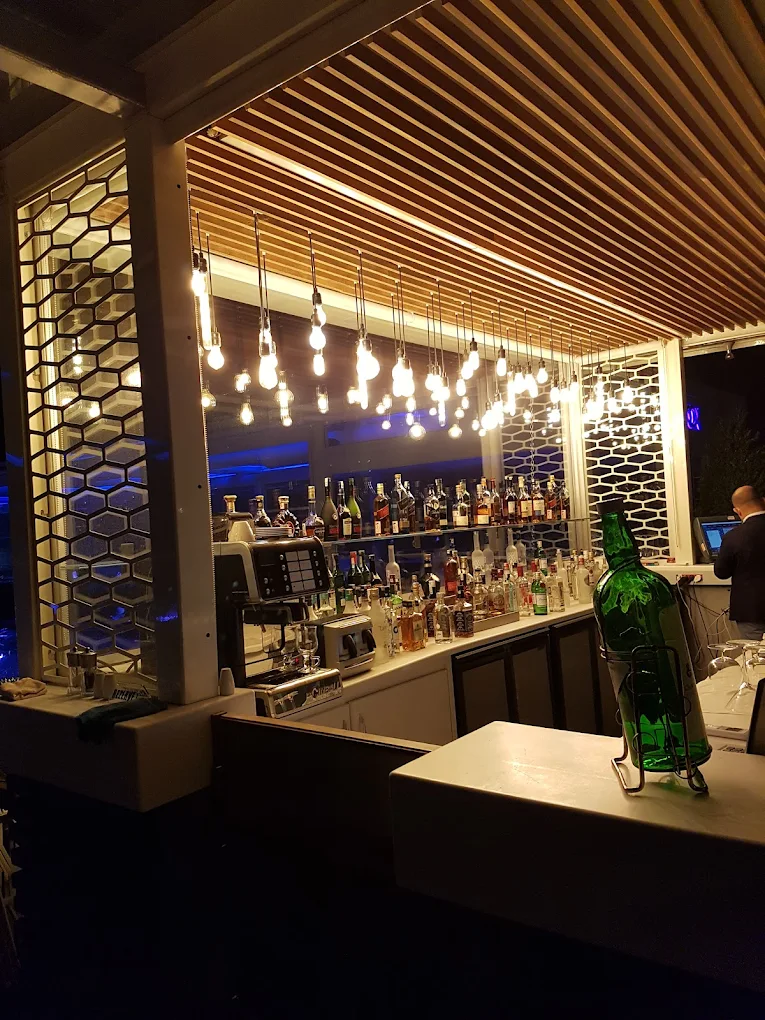
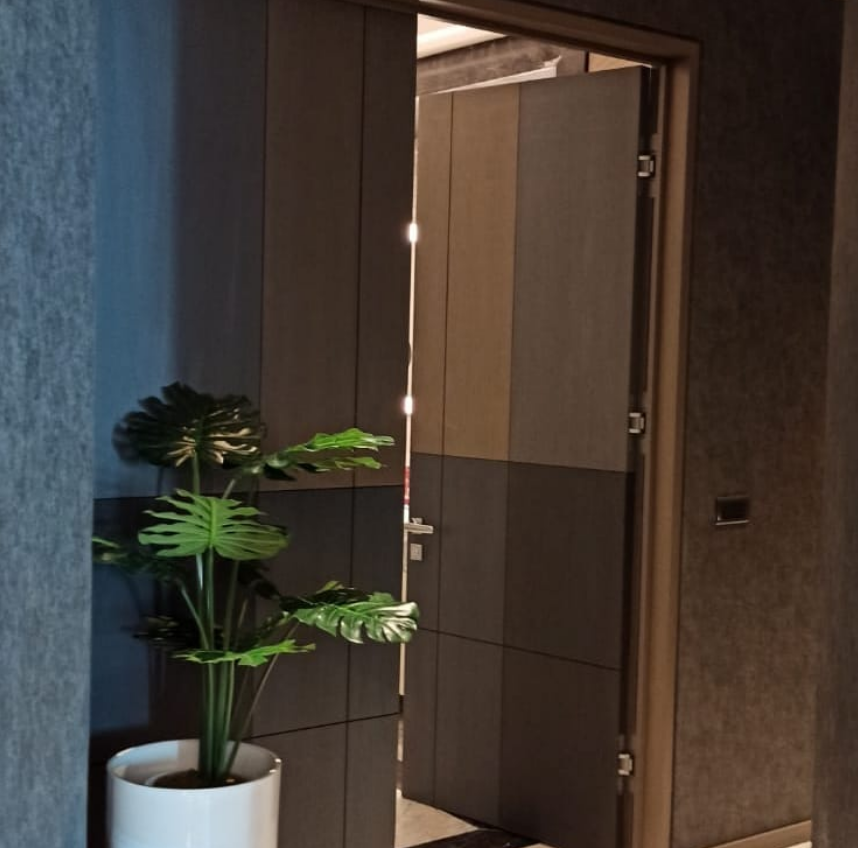
Butik Otel Mobilyaları
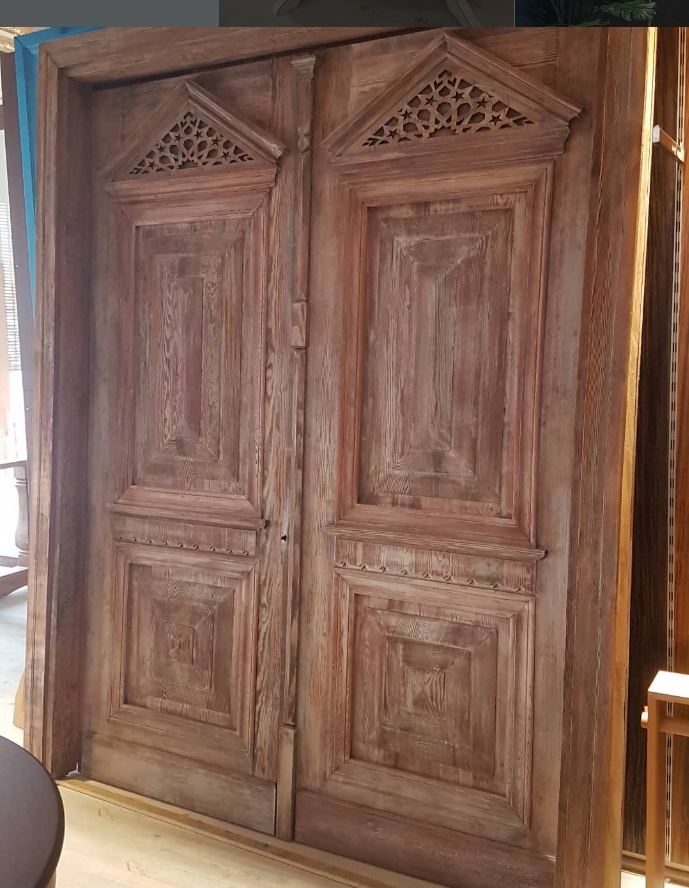
Butik Otel Mobilyaları
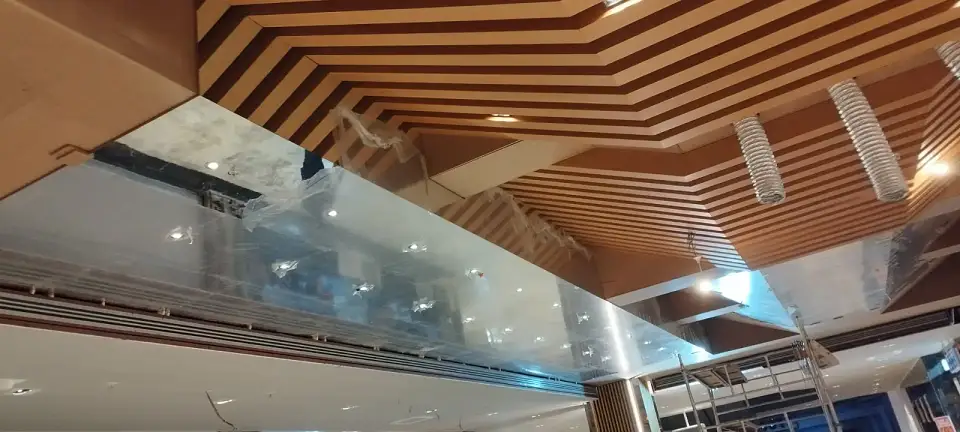
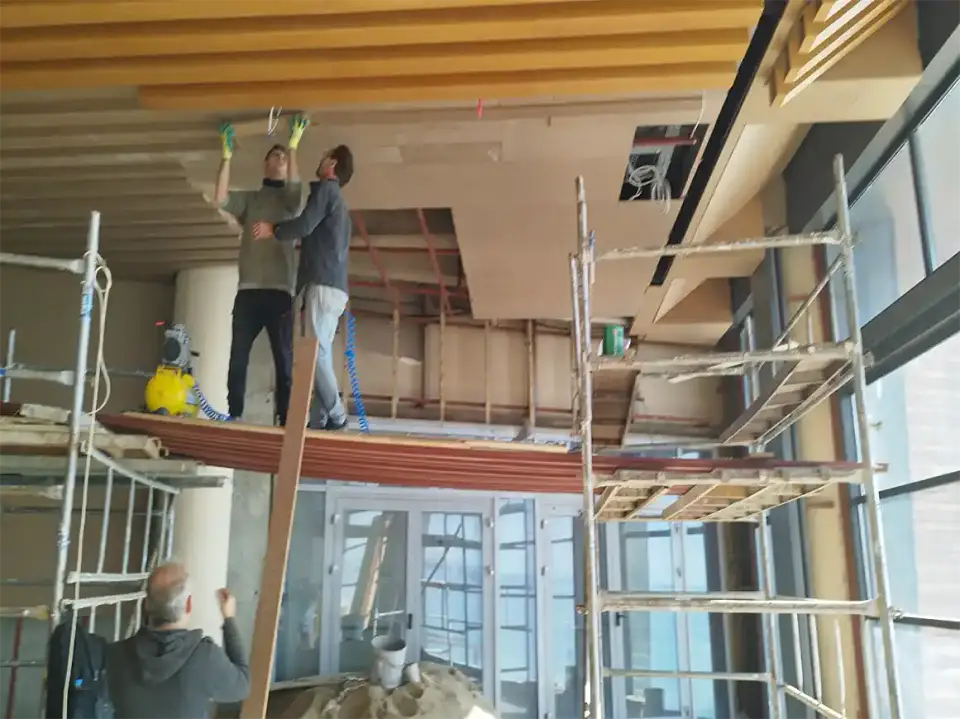
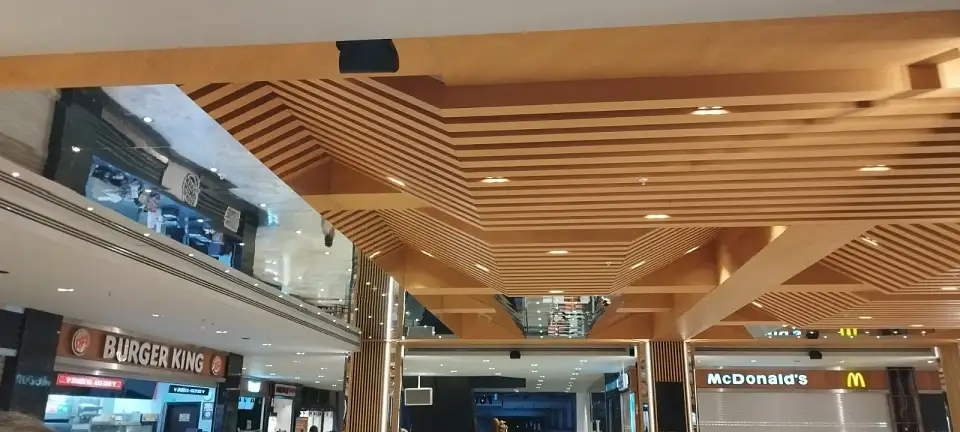
Tarihi Binaların Ahşap Dekorasyonları
Tarihi Ahşap restorasyonlari Kapılar
Tarihi binaların mobilya dekorasyonları
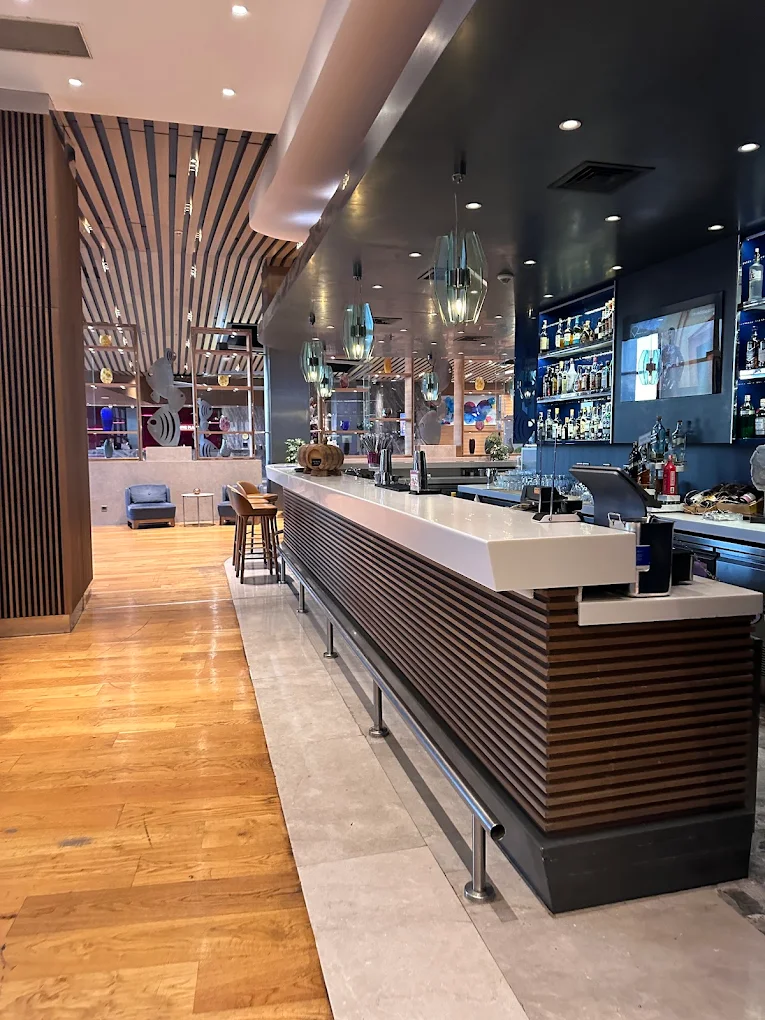
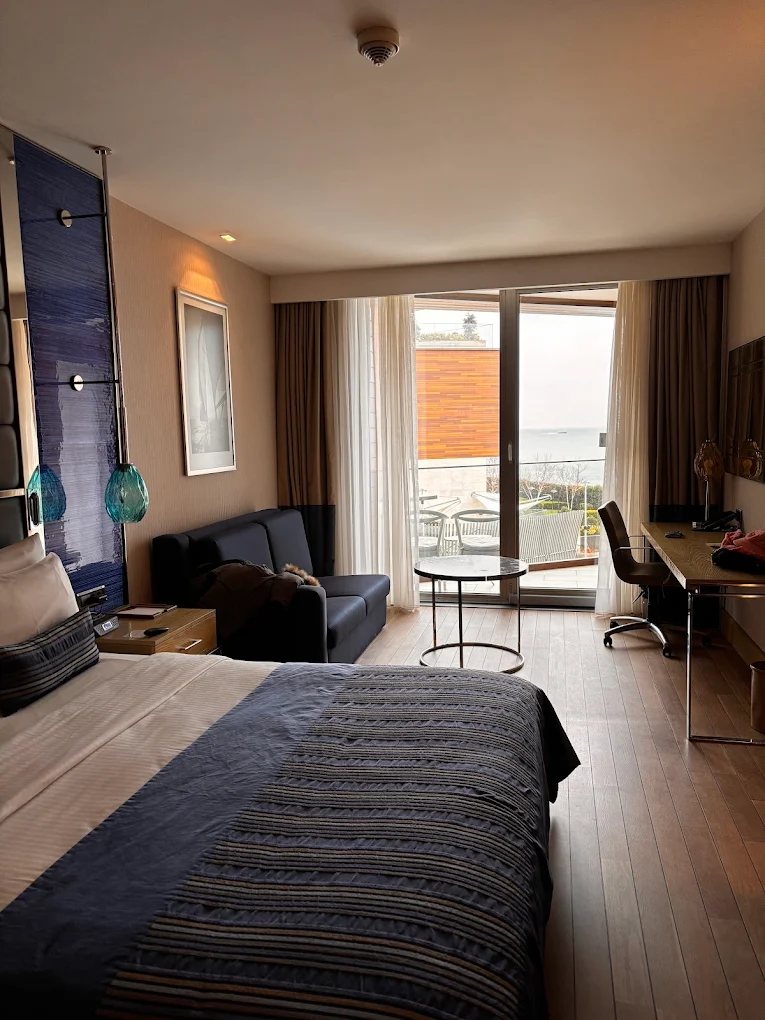
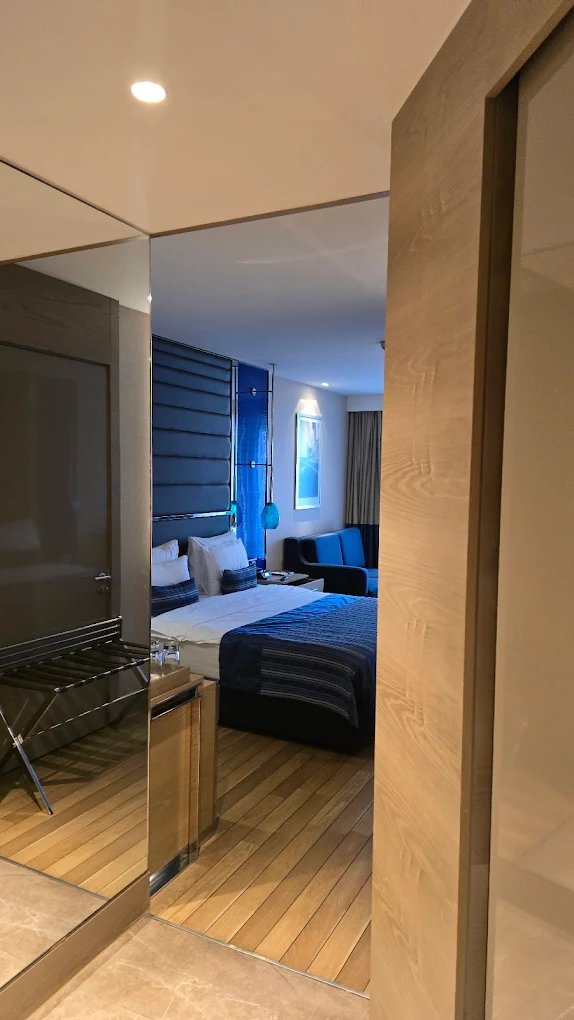
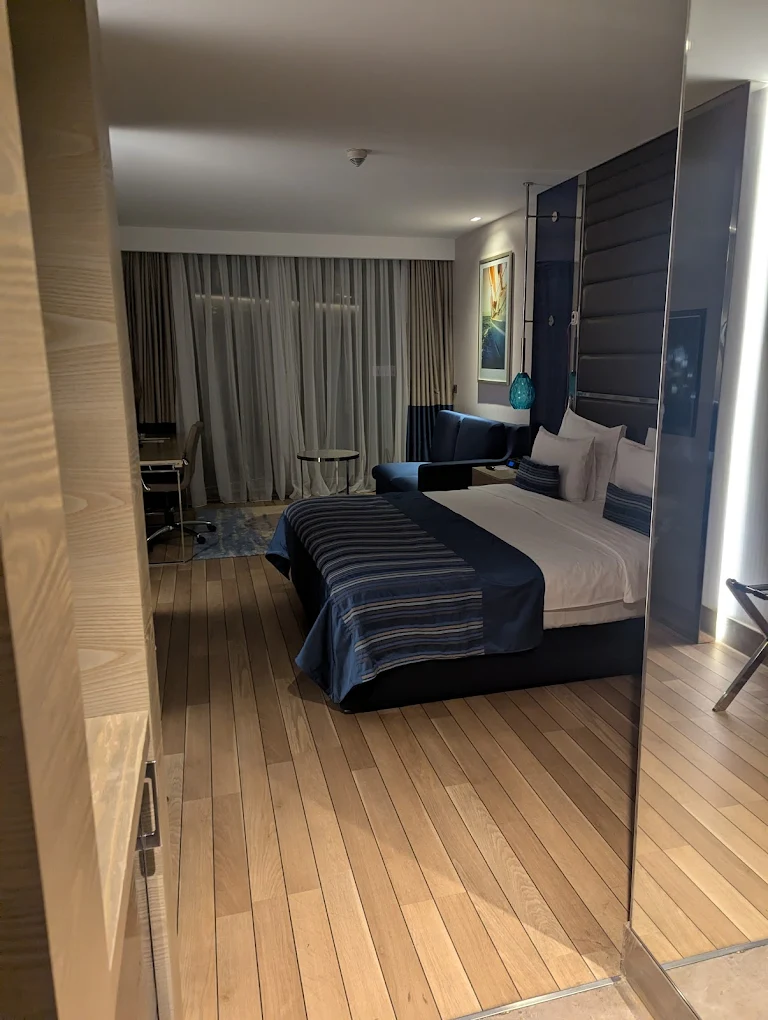
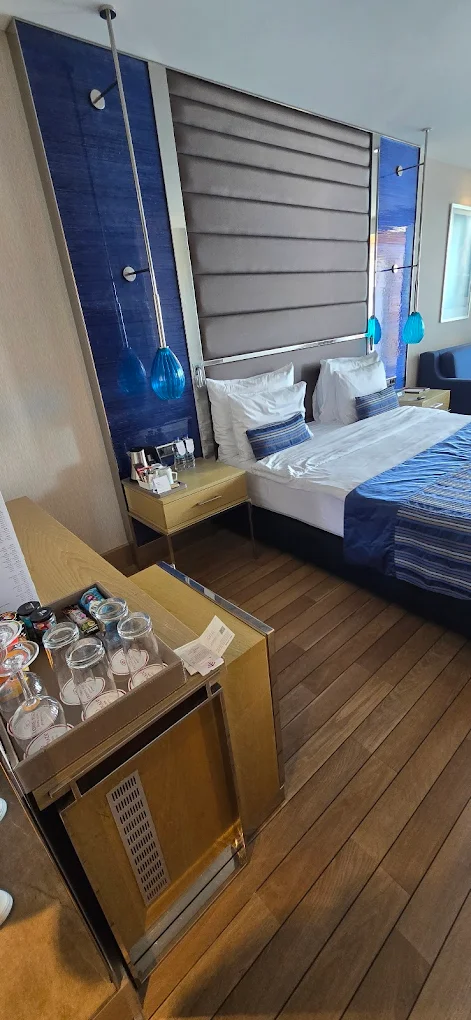
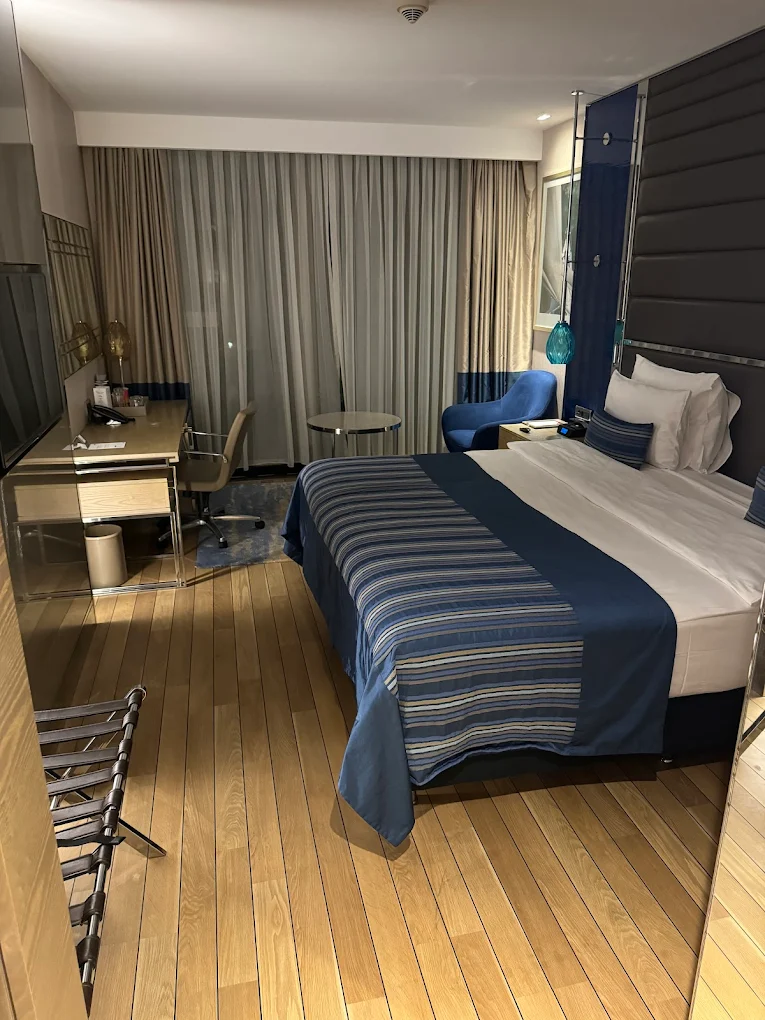


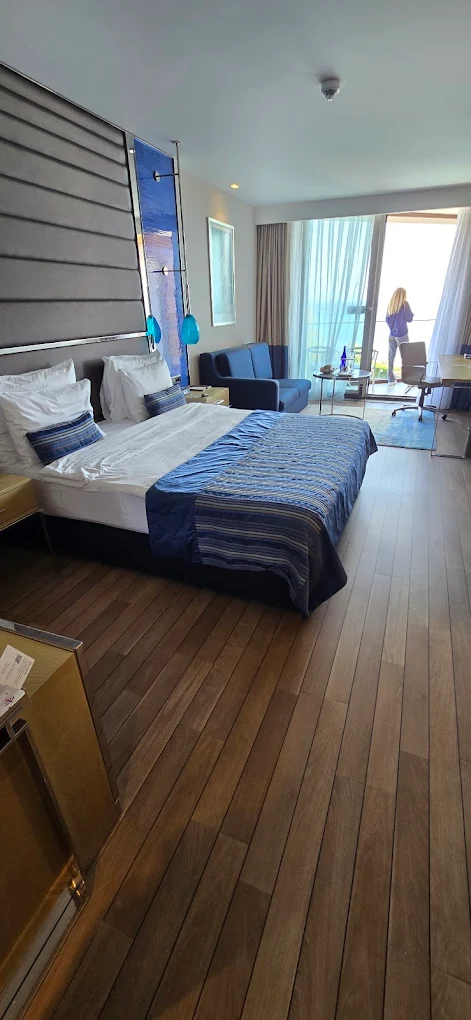
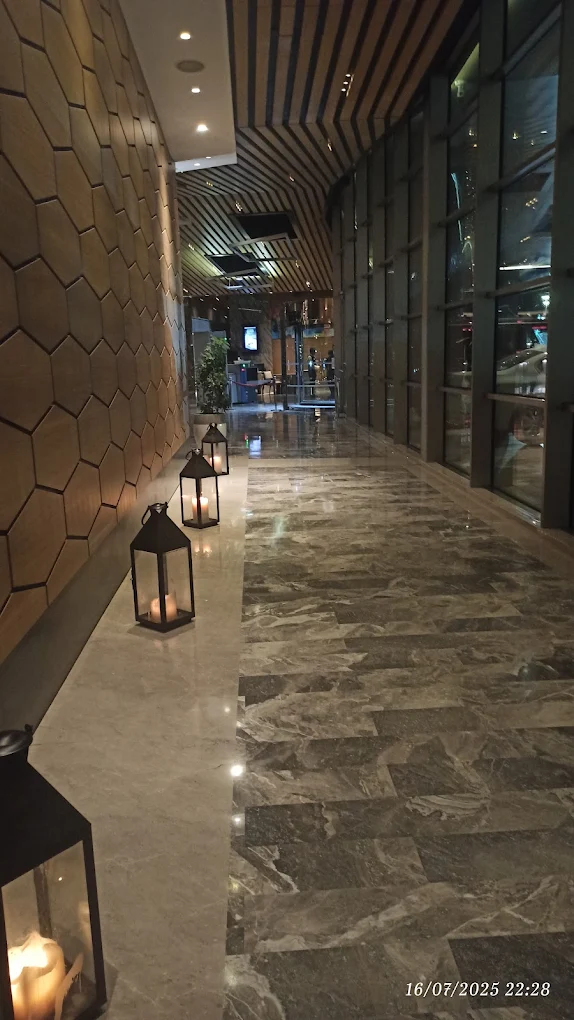

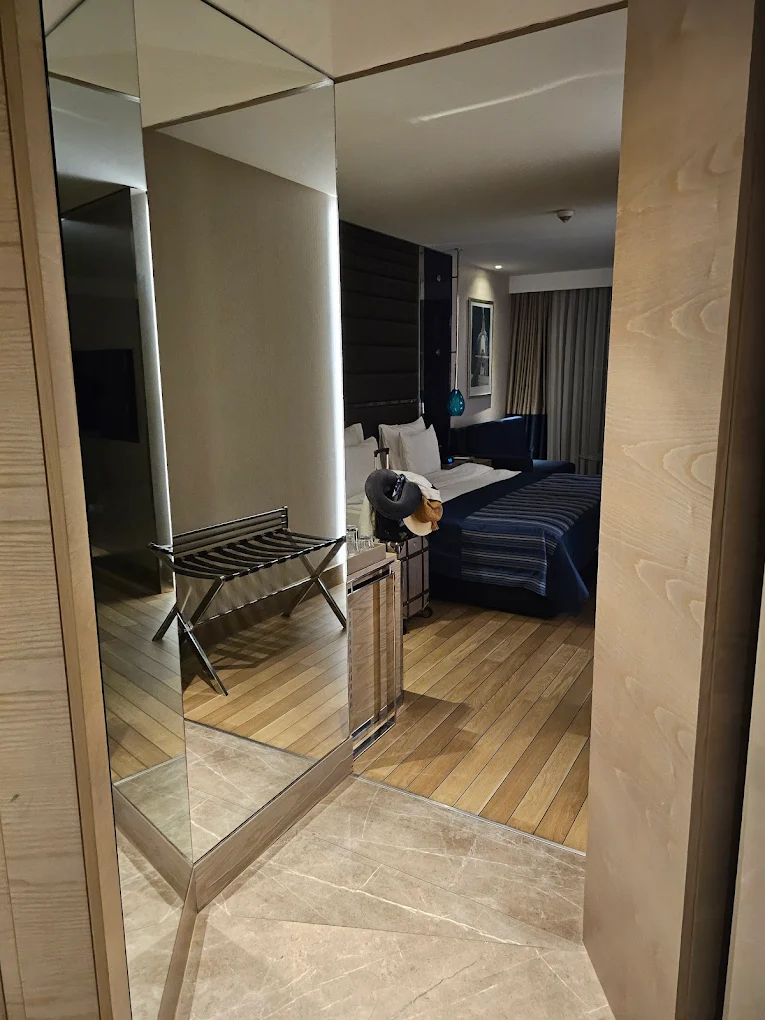
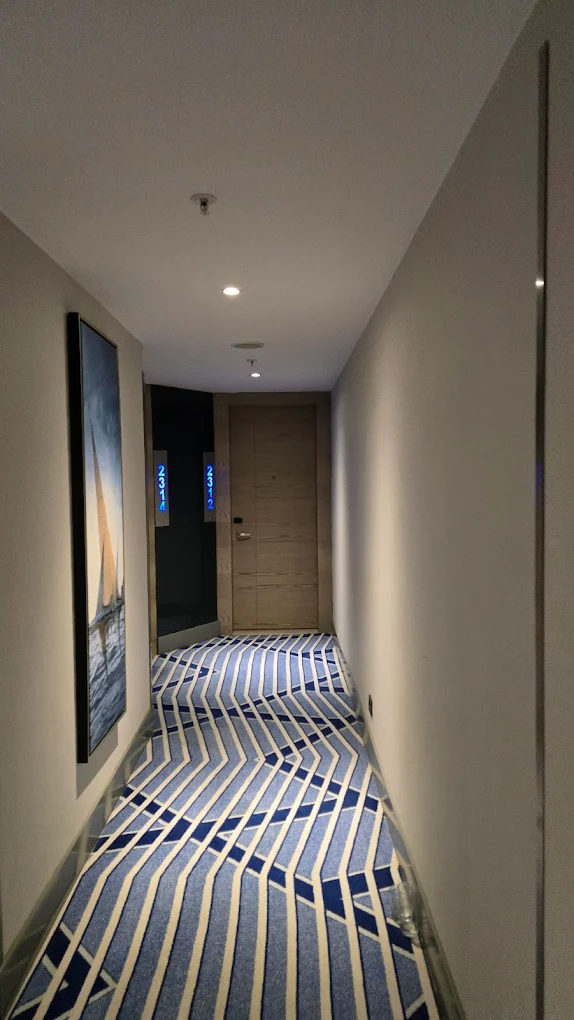
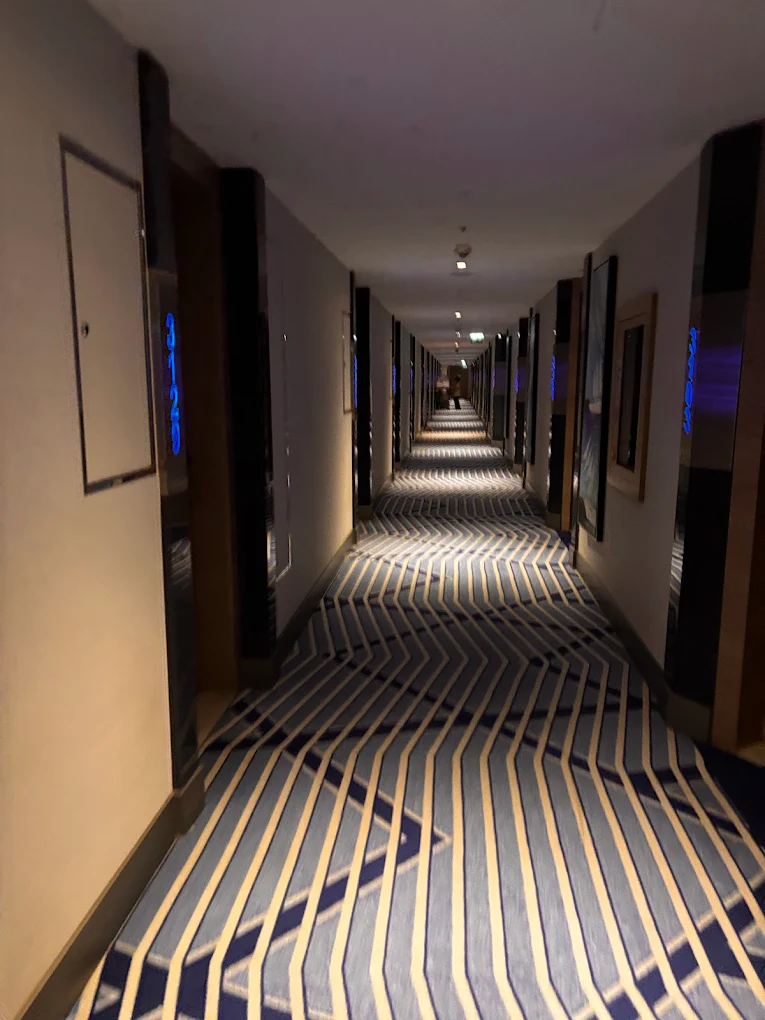
Butik Otel Mobilyaları
Etiket:5-Star Hotel Furniture Manufacturing Turkey, Custom Production Hotel Furniture Turkey, Hotel Bar Furniture Turkey, Hotel Chairs Turkey, Hotel Coffee Table Models Turkey, Hotel Restaurant Furniture Turkey, Hotel Suite Furniture Turkey, Hotel Tables Turkey, Hotel Wardrobe Internal Systems Turkey, King Suite Furniture Turkey, Open Wardrobe Models Turkey, Standard Hotel Room Decoration Turkey, VIP Lobby Furniture Turkey, Wholesale Hotel Furniture Turkey

Şunları da sevebilirsiniz
Pozantı Otel Mobilyaları | Adana Otel Mobilya Üretimi
Pozantı Otel Mobilyaları | Adana Otel Mobilya Üretimi