
Fire-Rated Hotel Doors Turkey
Fire-Rated Hotel Doors Turkey: The Ultimate Technical and Regulatory Guide for Hospitality Projects
In the global hospitality industry, guest safety, acoustic comfort, and aesthetic appeal are the three pillars of architectural design. At the intersection of these requirements sits a critical component that can never be compromised: the fire-rated door. For hotel developers, architects, and procurement managers sourcing from or building in Turkey, understanding the complexities of Fire-Rated Hotel Doors Turkey is essential for regulatory compliance, liability protection, and investment longevity.
Turkey has positioned itself as a premier global hub for high-quality architectural woodwork and fire-rated door manufacturing. Combining advanced European technology with competitive manufacturing costs, Turkish suppliers deliver doorsets that meet stringent international standards. This guide provides an exhaustive analysis of the technical specifications, European and American test standards, manufacturing processes, acoustic integrations, and installation protocols for fire-rated hotel doors in Turkey.
1. Regulatory Framework: EN vs. UL Standards in Turkish Manufacturing
When sourcing Fire-Rated Hotel Doors Turkey, the first critical step is aligning the product specifications with the local jurisdiction’s building codes. Turkish manufacturers generally produce doors tested under two primary regulatory systems: European Norms (EN) and Underwriters Laboratories (UL) standards.
European Standards (EN 16034 & EN 1634-1)
Turkey is a member of the European Committee for Standardization (CEN). Consequently, Turkish building codes—specifically the Regulation on Fire Protection of Buildings (Binaların Yangından Korunması Hakkında Yönetmelik)—are heavily harmonized with European Norms.
- EN 1634-1: This is the primary fire resistance test method for door and shutter assemblies. It measures integrity (E), insulation (I), and radiation (W).
- Integrity (E): The capacity of the door to prevent the passage of flames and hot gases.
- Insulation (I): The capacity of the door to restrict heat transfer so that the unexposed side does not exceed specific temperature thresholds (typically a mean temperature rise of 140°C above ambient). Turkish manufacturers specify this as \(I_{1}\) or \(I_{2}\), with \(I_{1}\) being the stricter European standard.
- Classification: Doors are classified as EI30, EI60, EI90, or EI120, representing fire resistance durations of 30, 60, 90, and 120 minutes, respectively.
American Standards (UL 10C & NFPA 252)
For hotel projects managed by international brands (such as Marriott, Hilton, or Hyatt) operating in regions following Middle Eastern or American building codes, Turkish manufacturers also produce doors tested to UL standards.
- UL 10C: Positive Pressure Fire Tests of Door Assemblies. Unlike the European test, the UL test includes the critical “Hose Stream Test.” After being subjected to fire, the hot door is blasted with a high-pressure water stream. The door assembly must withstand this thermal shock and physical impact without breaching.
- Classification: Rated in minutes, typically 20, 45, 60, or 90 minutes.
2. Anatomical Breakdown of a Fire-Rated Hotel Door
A fire-rated door is not merely a single panel; it is a highly engineered doorset consisting of the core, frame, intumescent seals, hinges, locks, and closers. If any single component fails, the entire fire rating is invalidated.
+--------------------------------------------------------+

|                      Door Frame                        |
|   +------------------------------------------------+   |
|   |          Intumescent Fire & Smoke Seals        |   |
|   |   +----------------------------------------+   |   |
|   |   |                                        |   |   |
|   |   |              Door Leaf                 |   |   |
|   |   |                                        |   |   |
|   |   |   [Core: Halspan / Sauerland / etc.]   |   |   |
|   |   |                                        |   |   |
|   |   |   [Acoustic Decoupling Layers]         |   |   |
|   |   |                                        |   |   |
|   |   +----------------------------------------+   |   |
|   |          Automatic Drop-Down Seal              |   |
|   +------------------------------------------------+   |
|                       Threshold                        |
+--------------------------------------------------------+
The Core Materials
The core dictates the fire resistance and weight of the door leaf. Premium manufacturers of Fire-Rated Hotel Doors Turkey utilize multi-layered or solid engineered cores:
- Solid Flaxboard Cores (Sauerland Spanplatte): Widely used for EI30 and EI60 doors. Sourced frequently from certified European partners, these tubular or solid particleboards offer an excellent balance of fire containment and stability.
- Mineral Cores (Halspan / Falcon Panel Products): For EI90 and EI120 requirements, manufacturers utilize high-density mineral fiberboards or proprietary calcium silicate matrix cores. These materials do not burn; they form an impenetrable thermal barrier.
- Laminated Veneer Lumber (LVL): Used for framing stiles and rails within the door leaf to provide structural rigidity and prevent warping under extreme thermal gradients.
The Face and Finishes
Hotels require high-end aesthetics. The structural fire core is dressed in various architectural skins:
- HPL (High-Pressure Laminate): Ideal for high-traffic hotels due to scratch, impact, and chemical resistance.
- Natural Wood Veneer: Finished with fire-retardant UV lacquers that comply with EN 13501-1 reaction-to-fire classifications (typically Class B-s1, d0).
- Lacquer / Paint: Factory-applied polyurethane or water-based fire-rated paints in any RAL color code.
3. The Science of Intumescent Seals and Smoke Control
In a hotel fire, smoke inhalation causes far more fatalities than direct heat. Therefore, a fire door must double as a smoke control barrier.
Intumescent Expansion Mechanism
Intumescent seals are chemically formulated strips recessed into the grooves of the door frame or the perimeter of the door leaf. Under normal conditions, they remain dormant. However, when temperatures reach approximately 150°C to 200°C, a chemical reaction occurs:
\(\text{Intumescent\ Compound}+\text{Heat}\xrightarrow{\Delta }\text{Carbonaceous\ Chars\ (Expands\ }15\times \text{\ to\ }30\times \text{\ original\ volume)}\)
This volumetric expansion fills the structural gaps between the leaf and the frame, sealing off oxygen and locking out flames and toxic gases.
Ambient and Hot Smoke Seals
- Cold Smoke Seals (SA Classification): Neoprene or silicone brush/flipper profiles that prevent the passage of smoke at ambient temperatures before the intumescent seal activates.
- Hot Smoke Seals (S200 Classification): Tested under EN 1634-3 at 200°C to ensure that smoke leakage rates do not exceed permissible cubic meter limits per hour.
4. Integrating Acoustic Performance (Rw / STC)
Hotel guestrooms require isolation from hallway noise. Sourcing Fire-Rated Hotel Doors Turkey means specifying a dual-performance doorset: fire resistance combined with high acoustic decoupling.
Acoustic Decoupling Mechanics
Sound insulation is measured via the Weighted Sound Reduction Index (\(R_{w}\)) in Europe or Sound Transmission Class (STC) in North America. A standard fire door may only provide an \(R_{w}\) of 28dB to 30dB, which is unacceptable for luxury hotels. High-performance Turkish doorsets achieve between 38dB and 45dB through targeted engineering:
- Mass-Air-Mass Principle: Utilizing multi-layered cores consisting of alternating densities (e.g., solid flaxboard coupled with heavy-layer acoustic membranes like mass-loaded vinyl).
- Perimeter Sealing: Utilizing multi-finned silicone gaskets that seal airtight when the door is latched.
- Automatic Drop-Down Seals: Mechanical seals embedded into the bottom rail of the door leaf. When the door closes, a plunger hits the frame, dropping a neoprene profile down to seal the gap between the door and the finished floor or threshold.
5. Ironmongery and Hardware Integration Compatibility
A fire door is only as secure as its hardware. All ironmongery installed on Fire-Rated Hotel Doors Turkey must possess independent third-party fire certification (e.g., CE marking or UL listing).
Electronic Access Control Systems (VingCard, Salto, Dormakaba)
Modern hotels utilize RFID, BLE, or PIN-based smart locks. Sourcing doors from Turkey requires precise CNC preparation:
- Mortise Pockets: Must be factory-milled using computer numerical control (CNC) machinery to guarantee micron-level accuracy.
- Cable Conduits: Internal channels must be bored through the core of the door leaf from the hinge side to the lockset for power transfers, without compromising the core’s structural fire integrity.
- Intumescent Lock Kits: Lock cases must be wrapped in thin intumescent sheets (intercalated graphite or phosphate-based) to protect the hollow cavity from melting out during a fire.
Heavy-Duty Hinges and Self-Closing Devices
- Hinges: Grade 13 or Grade 14 ball-bearing hinges certified under EN 1935 are mandatory to support heavy door leaves (often weighing over 60–80 kg due to acoustic cores).
- Door Closers: Overhead concealed or surface-mounted closers certified under EN 1154 must feature adjustable closing forces (minimum Size 3 or 4) to ensure the door reliably overcomes the resistance of latches and smoke seals to self-close completely.
6. Manufacturing Excellence in Turkey: What Defines Top Suppliers?
Turkey’s manufacturing sector stands out globally due to its unique blend of traditional craftsmanship and Industry 4.0 automation. When evaluating manufacturers of Fire-Rated Hotel Doors Turkey, look for the following production capabilities:
Advanced Machinery and Process Controls
Top-tier factories in industrial hubs like Istanbul, Bursa, Kayseri, and Izmir utilize fully integrated production lines:
- Automated Conditioning Chambers: Wood components are kiln-dried and conditioned to exact relative humidity levels (typically 8% to 10%) to prevent post-installation warping or cracking in differing international climates.
- Hot Press Integration: Multi-daylight presses apply precise pressure and temperature distributions when bonding HPL or veneers to the fire core using D4-rated waterproof, heat-resistant adhesives.
Third-Party Certification and Traceability
Reputable Turkish manufacturers do not simply claim compliance; they hold active certificates from international conformity bodies such as Exova Warringtonfire (Certifire), IFC Certification, or Intertek (Warnock Hersey).
- Traceability Labels: Each door leaf features a tamper-proof metal or plastic plug/label embedded into the hinge edge, indicating the fire rating, certificate number, production date, and batch code.
7. Step-by-Step Installation Protocol for Fire Compliance
An incorrectly installed fire door will fail in a real-world emergency situation. Turkish manufacturers emphasize adherence to strict installation guidelines corresponding to the certified test evidence.
Frame Installation and Wall Interface
The interface between the door frame and the wall structure (whether masonry, concrete, or fire-rated drywall) is a vulnerable point for fire bypass.
- Structural Gaps: The tolerance gap between the sub-frame/wall and the door frame must be minimal (ideally 5mm to 15mm).
- Fire-Rated Backing Material: This gap cannot be filled with standard expanding polyurethane foam. Installers must use verified Class B1 or B2 fire-rated PU foams or packed stone wool (minimum density 50 kg/m³), capped with an intumescent acrylic sealant.
Leaf Clearances
To ensure smooth operational closing while preventing smoke leakage, standard operating tolerances must be respected:
- Top and Sides: \(3\text{mm} \pm 1\text{mm}\) clearance between the leaf edge and the frame rebate.
- Bottom Floor Clearance: Max 8mm to 10mm for fire protection, which must be fully sealed by the drop-down seal upon closure.
8. Sustainability and Procurement Advantages in Turkey
The modern procurement process requires careful evaluation of sustainability parameters and logistics efficiency.
Green Building Compliances (LEED & BREEAM)
Major manufacturers of Fire-Rated Hotel Doors Turkey align their operations with ecological benchmarks:
- FSC/PEFC Certification: Ensuring that all wood elements, flaxboard cores, and veneers are harvested from responsibly managed forests.
- Low-VOC Emissions: Adhesives, edge bandings, and surface coatings are selected to achieve E1 or E0 formaldehyde emission classifications, contributing directly to indoor air quality credits under LEED and BREEAM rating systems.
Strategic Logistical Benefits
Turkey’s geographical positioning provides significant transit advantages over alternative East Asian manufacturing hubs:
- Short Transit Times: Freight via Ro-Ro shipping lines or road transport reaches Central Europe within 4–7 days, and the Middle East/North Africa within 5–10 days.
- Customs Union Agreement: Turkey’s Customs Union agreement with the European Union facilitates seamless, duty-free movement of goods via the ATR movement certificate, streamlining import procedures.
9. Maintenance, Lifespan, and Lifecycle Management
Hotel properties endure rigorous wear and tear. A structured lifecycle management approach ensures that fire-rated assets remain fully operational.
Routine Inspection Checklists
Hotel facilities management teams should execute quarterly evaluations of guestroom entry doors:
- Self-Closing Check: Release the door from a \(10^{\circ }\) angle; it must smoothly latch shut against the perimeter seals.
- Seal Integrity: Inspect intumescent and smoke strips for mechanical tears, detachment, or paint overspray (which can compromise chemical expansion properties).
- Gap Measurements: Verify that building settlement has not caused the door to sag, exceeding the critical 4mm clearance threshold.
10. Conclusion: Sourcing Strategy for Project Success
Sourcing Fire-Rated Hotel Doors Turkey guarantees access to world-class engineering, premium design aesthetics, and robust regulatory compliance, provided you select partners with audited third-party certifications. By prioritizing factory-controlled processing, matching the exact test evidence (EN vs. UL) to your project’s local code, and executing meticulous on-site installations, you create a beautiful, quiet, and secure sanctuary for international travelers. Sourcing from Turkey’s mature hospitality manufacturing sector provides the assurance that when fire safety matters most, your structural openings will perform without compromise.
Butik Otel Mobilyaları
Butik Otel Mobilyaları
Butik Otel Mobilyaları
Tarihi Binaların Ahşap Dekorasyonları
Tarihi Ahşap restorasyonlari Kapılar
Tarihi binaların mobilya dekorasyonları
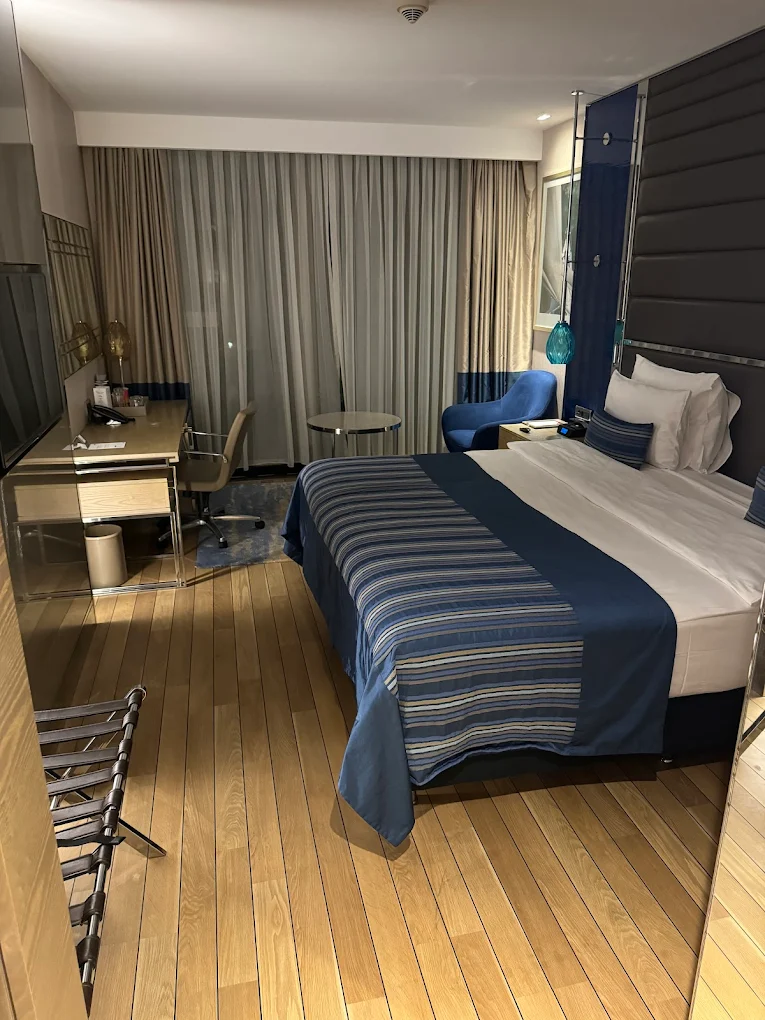

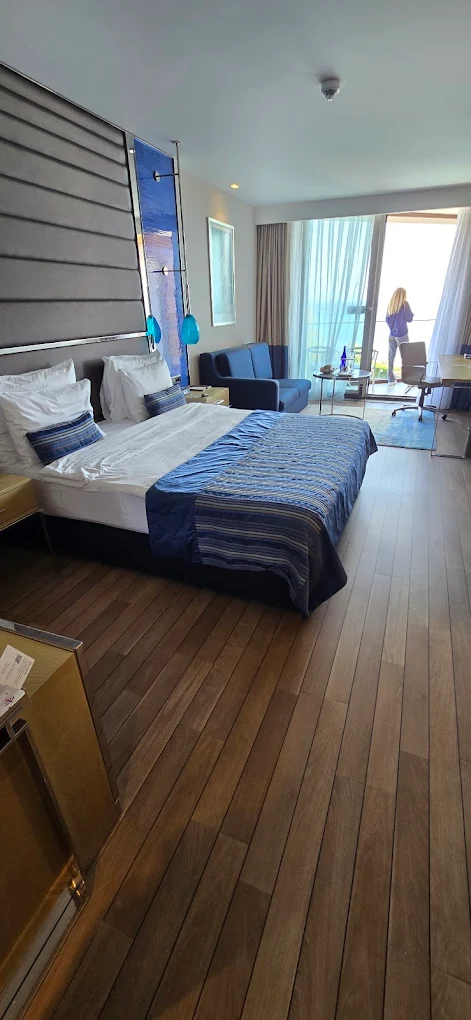
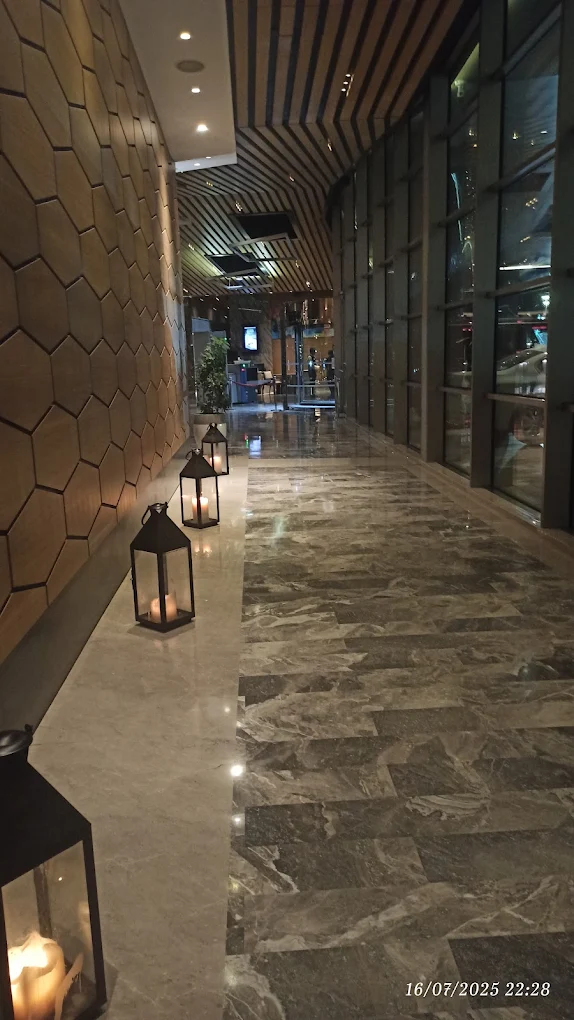
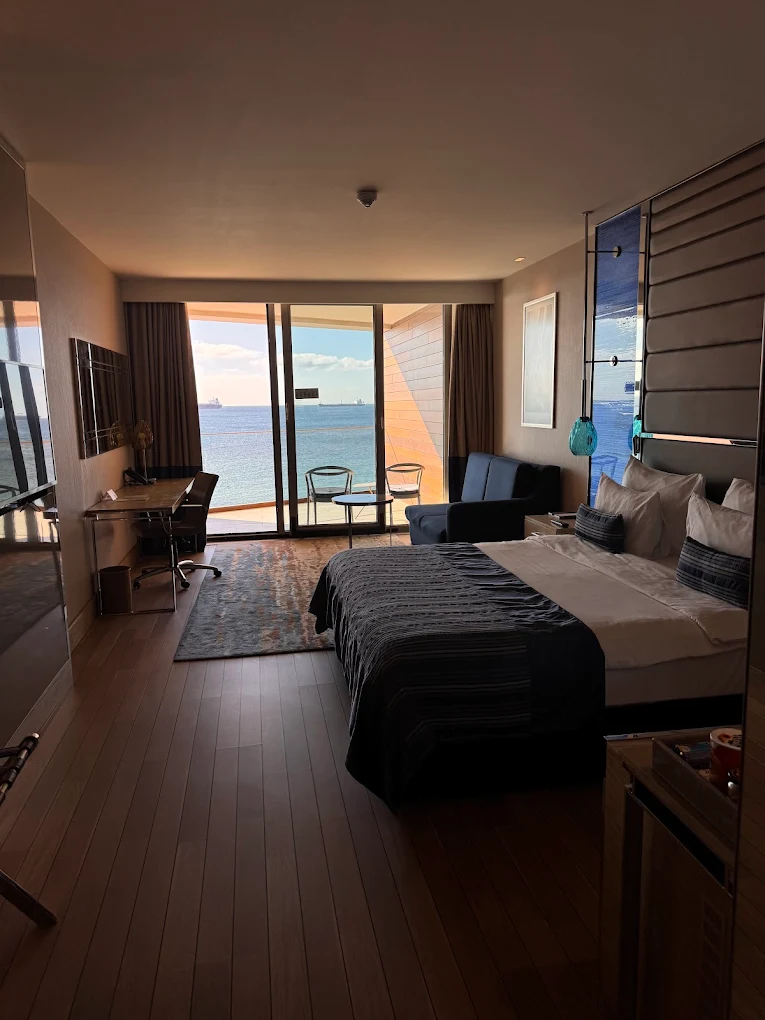

Butik Otel Mobilyaları
Etiket:Boutique Hotel Furniture Turkey, Distressed Wood Hotel Furniture Turkey, Hotel Doors Turkey, Hotel Entrance and Hotel Lobby Furniture Turkey, Hotel Entrance Furniture Turkey, Hotel Furniture Decoration Turkey, Hotel Furniture Designs Turkey, Hotel Furniture Istanbul Turkey, Hotel Furniture Manufacturers Turkey, Hotel Furniture Manufacturing Companies Turkey, Hotel Furniture Manufacturing Turkey, Hotel Furniture Procurement in Turkey.Hotel Lobby Furniture Turkey, Hotel Furniture Turkey, Hotel Furnitures Turkey, Hotel Room Furniture Turkey, Hotel Wood Decoration Turkey, Luxury Hotel Furniture Turkey, Solid Wood Hotel Furniture Turkey, Wooden Hotel Furniture Turkey

Şunları da sevebilirsiniz
Pozantı Otel Mobilyaları | Adana Otel Mobilya Üretimi
Pozantı Otel Mobilyaları | Adana Otel Mobilya Üretimi