
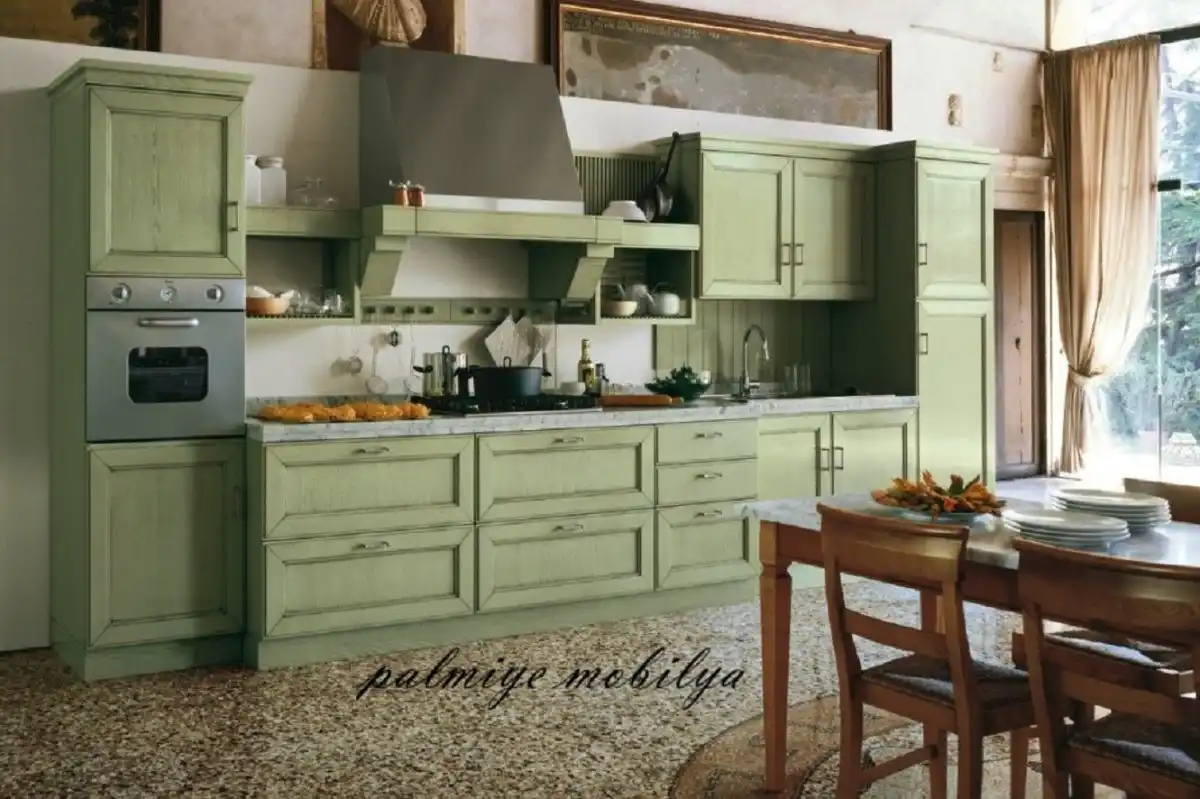
Cheap Kitchen Cabinet
Cheap Kitchen Cabinet: The Comprehensive Sourcing, Material Engineering, and Value Optimization Guide for Budget-Conscious System Cabinetry
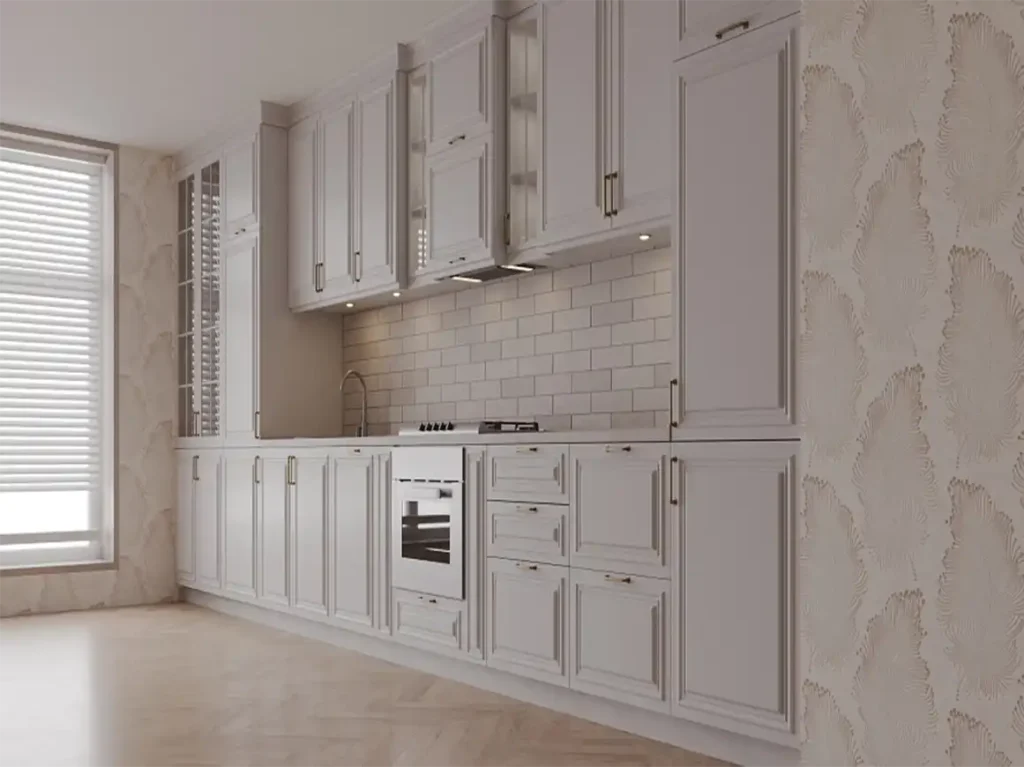
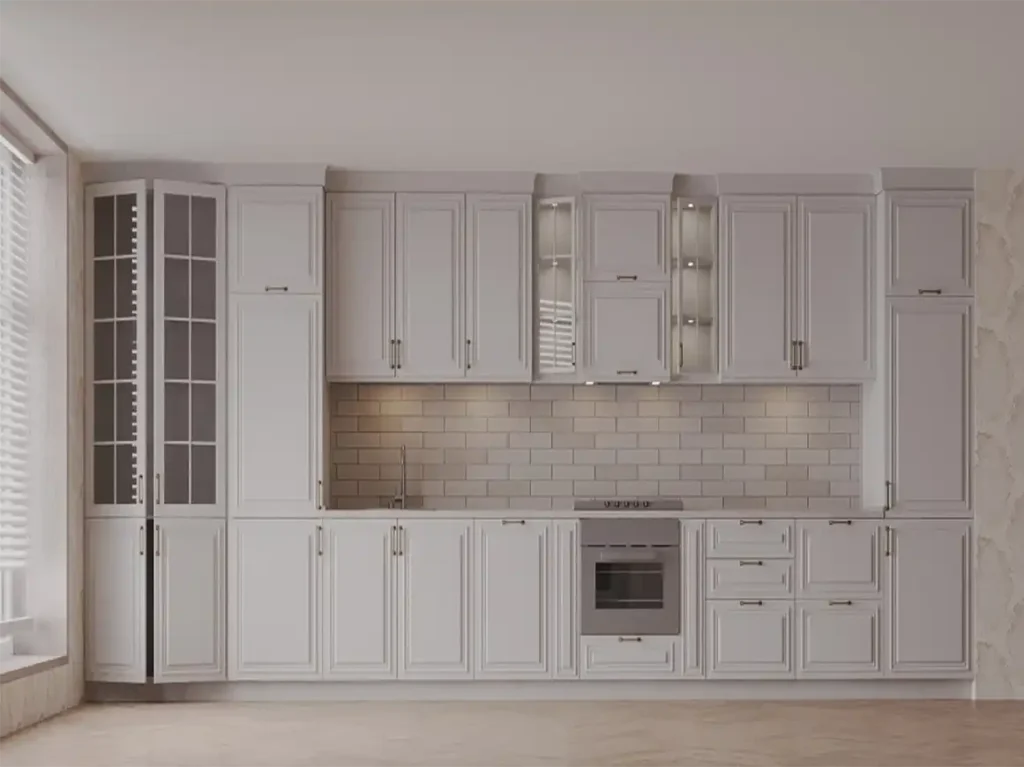
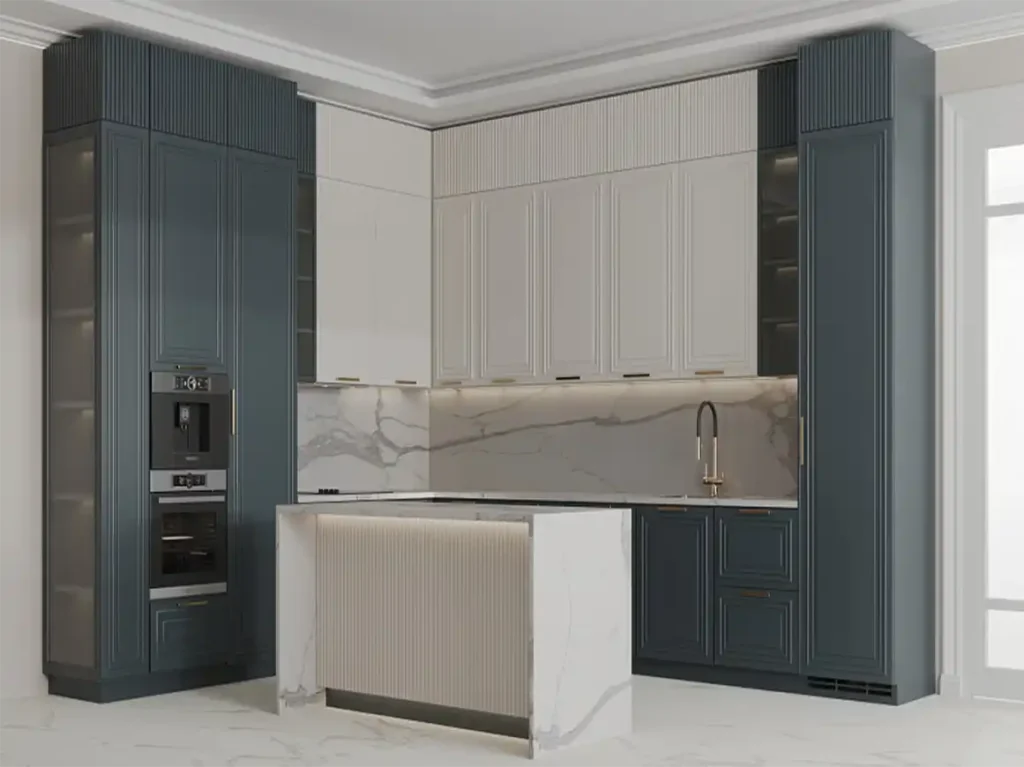
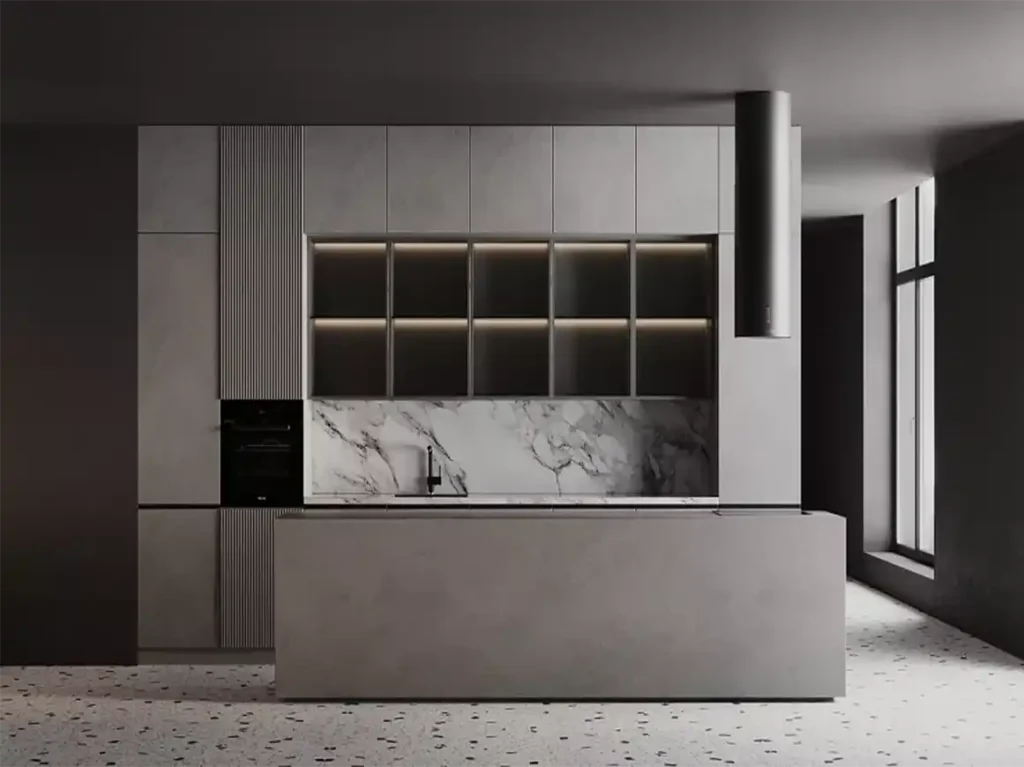
The global demand for affordable housing, multi-family real estate development, and lean property renovations has reshaped the manufacturing parameters of contemporary kitchen design. To satisfy tight budgets, property owners, contractors, and real estate developers do not need to settle for structural components that warp or degrade after brief exposure. Sourcing a high-performance Cheap Kitchen Cabinet line is an exercise in strategic engineering, material science optimization, and high-efficiency supply chain navigation.
A budget-conscious kitchen transforms static woodwork into a precise configuration of value-engineered, standardized modules. These systems are calculated to reduce waste, minimize manufacturing complexity, and maximize volumetric shipping density—all while delivering functional reliability and modern visual appeal.
This exhaustive technical guide provides an in-depth analysis of the material properties, manufacturing shortcuts, hardware kinematics, procurement strategies, and installation methods behind high-utility Cheap Kitchen Cabinet solutions.
1. Value Engineering: Deconstructing the Budget Cabinet Matrix
When executing a cost-restricted project, understanding the difference between low-cost manufacturing and inferior quality is paramount. Value engineering analyzes every component part of a product to determine where structural costs can be systematically reduced without compromising core mechanical safety or functional requirements.
Premium Custom Cabinetry:  Bespoke Sizing + Manual Finishing + Complex Core Woods = High Per-Unit Cost
Cheap Kitchen Cabinet Line: Standardized Matrix + Automated Lamination + Lean Edge Processing = High Value Index
Sizing Standardization and the 32mm Geometric Grid Matrix
The primary catalyst for price reduction in the Cheap Kitchen Cabinet industry is structural standardization. Custom cutting requires manual layout time and individual machine adjustments, which increases labor costs. Budget lines are manufactured using a strict geometric framework known as the standard European 32mm grid.
- The 32mm System: Side panels are pre-drilled with rows of 5mm pilot holes spaced at exact 32mm intervals, positioned 37mm back from the front face. This unified drill grid accepts a soft-close hinge plate, a standard white epoxy drawer rail, or adjustable shelf support pins without resetting factory machinery lines.
- Uniform Volumetric Widths: Cabinets are processed exclusively in standardized width increments—typically 150mm, 300mm, 450mm, 600mm, 800mm, and 1000mm. This predictability allows automated nesting programs to pack component panels tightly on large raw timber boards, driving raw material scrap indexes to below 5%.
The Core Carcass Component Balance
A standard cabinet module is divided into separate structural elements. Value optimizing a Cheap Kitchen Cabinet involves assigning specific material densities to each section based on their exact load-bearing requirements:
| Cabinet Structural Component | Standard Thickness (mm) | Core Material Profile | Cost Optimization Role |
|---|---|---|---|
| Vertical Side Gables | 16 or 18 | Medium-Density Particleboard (P2 Grade) | Absorbs structural hardware loads and handles structural squaring |
| Horizontal Base and Shelves | 16 or 18 | Melamine-Faced Chipboard (MFC) | Resists sagging under static weight without requiring thick solid timber |
| Rear Closure Back Panels | 3 or 8 | High-Density Fiberboard (HDF) / Thin MFC | Provides structural shear resistance while reducing transit weight |
| Front Facing Door Panels | 16 | Melamine Slab or Slim Wrapped MDF | Delivers the visual identity while remaining lightweight and durable |
2. Substrate Material Science: Maximizing Durability at Low Cost Points
The operational lifespan of a budget kitchen module depends heavily on the mechanical properties of its underlying core panel. To secure a long-term return on investment when buying a Cheap Kitchen Cabinet assortment, buyers must navigate the performance differences between available engineered wood composites.
1. High-Density Melamine-Faced Chipboard (MFC)
MFC is the undisputed backbone of the budget cabinetry market. It is produced by combining wood processing residuals, soft timber chips, and synthetic urea-formaldehyde resins, pressed flat under high heat and intense hydrostatic pressure.
- The Three-Layer Grading Configuration: Premium budget-grade chipboard uses a graded density setup. The center core layer contains larger timber flakes that provide structural bending strength and keep screws anchored. The outer skin faces are composed of highly compressed micro-fine wood particles that form a smooth, hard surface.
- Density Metrics: High-utility MFC boards run at a structural density profile ranging between 650 kg/m³ to 720 kg/m³. High core compaction ensures that mounting screws for hinges and drawer tracks stay locked into position, avoiding the loose fittings common in generic, unrated furniture.
2. Standard and Moisture-Resistant Medium-Density Fibreboard (MDF)
MDF is engineered by pulverizing wood chips into an exceptionally fine, cotton-like fiber pulp, mixed with polymer glues and pressed flat.
- Aesthetic Utility: MDF is more dense and uniform than chipboard, which prevents grain telegraphing. It is chosen for the exterior front doors of a Cheap Kitchen Cabinet run because its edges can be smoothly routed into timeless five-piece shaker profiles or integrated J-pull curves.
- Moisture Isolation Spec (P3 Grade): For wet modules like the under-sink base or over-stove extraction hoods, upgrading to Moisture-Resistant MDF (MR-MDF) or P3-grade particleboard is an excellent insurance policy. These cores are treated with hydrophobic paraffin wax emulsions and cross-linked melamine resins, lowering thickness swelling to under 8% after direct water contact, preventing structural delamination.
3. High-Density Fiberboard (HDF) for Back Panels
- Structural Mechanics: Standard 3mm HDF panels are engineered to a high density exceeding 850 kg/m³. Sliding an HDF panel into pre-milled grooves along the rear edges of the cabinet carcass provides complete structural shear resistance, keeping the box perfectly square when loaded with heavy dinnerware.
3. Surface Finishing Chemistry: High-Performance Lamination and Edging
The exterior skin of a budget cabinet door defines its visual design while acting as the protective shield that seals the inner wood substrate away from humidity, steam, household cooking oils, and physical impacts. Advanced automation allows budget production lines to apply robust surface protections affordably.
Direct Low-Pressure Melamine (LPL) Lamination
The most cost-effective finishing method for a durable Cheap Kitchen Cabinet door face is direct melamine lamination.
- The Lamination Process: Decorative papers are thoroughly saturated with liquid thermosetting melamine-formaldehyde resins. These treated sheets are applied directly onto both faces of a raw chipboard or MDF panel inside a short-cycle lamination press operating at temperatures near 200°C and pressures up to 30 kg/cm².
- The Molecular Fusion: The thermal energy triggers an irreversible chemical cross-linking polymerization reaction. The resin liquefies, flows into the micro-pores of the wood surface, and hardens into a non-porous, glassy polymer coat that is entirely fused to the core.
- Tactile Texturing: Utilizing structured steel press plates allows factories to emboss authentic open-pore wood grains or stone cleft patterns directly into the melamine coat. This achieves a realistic appearance that mimics high-end natural timbers without the material cost or maintenance of genuine wood veneers.
Thermoplastic 3D Vacuum Foil Membranes (PVC)
When a design requires profile depth—such as a farmhouse shaker detail—slab melamine sheets cannot wrap around the curves. Budget lines solve this using automated vacuum presses:
- The Thermoforming Sequence: A single sheet of architectural-grade Polyvinyl Chloride (PVC) foil is heated until it becomes elastic, then stretched over a pre-routed MDF front panel that has been sprayed with a heat-activated polyurethane adhesive. A powerful pneumatic vacuum sucks the pliable foil down into the profile details.
- Seamless Face Security: This process wraps the foil continuously over the front face and around all four outer edges in a single run. The complete absence of visible edge seams on the door face prevents water vapor from penetrating the joints, protecting the cabinet near cooktops and dishwashers.
EVA Hot-Melt and Hot-Air Zero-Joint Edge Seals
For flat slab door panels, the exposed outer cut edge must be sealed carefully.
EVA Hot-Melt Edging:   [Traditional Liquid Glue Line] + [ABS Band] = Standard Cost / Susceptible to Steam
Hot-Air Fusion Edging:  [Co-Extruded Polymer Core Layer] + [Air Blast] = Permanent Seal / Impermeable Barrier
- Standard EVA Glues: Ethylene-Vinyl Acetate (EVA) hot-melt adhesive is the traditional choice for value-priced edge banding. It provides a reliable bond at an accessible price point, though care must be taken to keep hot steam away from the seams.
- Advanced Hot-Air Co-Extrusion: High-volume factories are increasingly installing hot-air fusion systems on budget lines. The ABS edge band incorporates a built-in functional polymer layer on its reverse side. An ultra-heated blast of compressed air melts this layer instantly, fusing the edge band directly into the wood core fibers. This creates a zero-joint finish that is completely waterproof, highly heat-resistant, and visually seamless, removing the traditional glue lines that can turn yellow over time.
4. Mechanical Hardware Kinematics: Balancing Price and Operational Wear
A cabinet module operates dynamically through its moving parts. Sourcing hardware for a Cheap Kitchen Cabinet setup requires picking mechanisms that reduce costs while maintaining silent, reliable functionality under weight.
Multi-Spring Concealed Clip hinges
Traditional visible barrel hinges require precise manual screw alignment. Budget system cabinets replace these with self-aligning concealed cup hinges (Euro hinges) stamped from high-strength carbon steel.
- Anti-Corrosion Plating: The steel hinges are treated with a dual-layer electroplated zinc or nickel coat, shielding the raw iron from moisture and rust (complying with standard salt-spray verification guidelines).
- Integrated Mechanical Dampening: Value-engineered soft-close hinges incorporate a small hydraulic cylinder directly inside the hinge arm. This cushions the closing motion automatically, preventing the door from slamming against the carcass frame and protecting the structural joinery from stress over thousands of household cycles.
- 3D Alignment Adjustments: Hinges feature built-in adjustment screws that allow installation teams to calibrate the door position across three dimensions (+/- 2mm) on-site:
Hinge Adjustment Cam A: Controls Lateral Horizontal Gaps (Left/Right Shift)
Hinge Adjustment Cam B: Calibrates Vertical Elevation Alignment (Up/Down Shift)
Hinge Adjustment Cam C: Tunes Front-to-Back Depth Position (Flush Seating)
Epoxy-Coated Roller Runner Slide Networks
The most cost-effective and resilient moving rail system for a budget drawer setup is the classic side-mount single-extension roller slide.
- The Track Mechanics: These steel rails are coated in an electro-baked white epoxy resin paint. The drawer box rides on high-impact synthetic nylon wheels that slide smoothly along the contoured tracks.
- Self-Closing Gravity Ramp: The rear sections of the steel tracks are engineered with a subtle downward slope. When the drawer is pushed past its last few centimeters of travel, gravity takes over and gently pulls the drawer front flush against the frame automatically.
- Load Threshold Specifics: These slides are structurally rated for static load capacities of 25kg to 35kg, which easily supports standard cutlery dividers and daily pantry storage needs.
Under-Mount Full-Extension Slide Upgrades
When a budget project requires deep pot drawers, upgrading to low-profile under-mount slide rails is recommended. These hidden tracks are positioned completely out of sight beneath the drawer bottom panel, tracking on synchronized steel ball bearings. They distribute heavy kinetic weight evenly across the entire frame network and support load limits up to 45kg without sagging.
5. Space Optimization: Maximizing Storage within Tight Footprints
Value-engineered cabinetry delivers high utility by incorporating smart interior modules designed to utilize areas that traditional custom millwork often abandons as dead space.
1. Multi-Tier Blind Corner Carousel Organizers
The 90-degree internal corner where two modular cabinet runs meet is a common layout bottleneck. Standard setups often seal off this deep section with a static wood filler panel, losing valuable storage volume.
- Three-Quarter (270°) Wire Carousels: Budget configurations optimize this dead zone by installing central revolving steel poles fitted with circular wire baskets. The independent steel trays rotate fully out of the cabinet frame with a simple push, bringing items stored deep in the corner into clear view and easy reach.
2. Slim Vertical Cargo Pull-Out Trays
Standard kitchen layouts often feature an irregular leftover gap (such as a 150mm or 200mm slot next to an oven or refrigerator) due to standard room dimensions.
- Vertical Utility Integration: Instead of covering this area with a non-functioning wood strip, budget designs install a narrow, vertical pull-out cargo unit. Riding on soft-close bottom rails, these slim steel wire frameworks incorporate spice rack tiers, custom knife slots, or dedicated towel rail rods, converting a tight gap into an efficient workspace utility.
Countertop Line
==============================================================

| Standard Base Module |  150mm Cargo Rack   | Appliance Space |
|                      |  [Tier 1: Spices]   |                 |
|                      |  [Tier 2: Condiment]|                 |
|                      |  [Tier 3: Towels]   |                 |
==============================================================
3. Integrated Under-Sink U-Shaped Drawer Trays
The space directly beneath a kitchen sink is traditionally a messy zone where water filter loops, plumbing pipes, and drainage P-traps create obstacles for storage.
- Factory-Milled Layout Shrouds: Budget lines optimize this area using custom U-shaped drawer boxes. The drawer bottom and back panels are structurally routed to wrap cleanly around the sink basin and plumbing infrastructure. This provides usable basket storage flanking the plumbing line—the ideal location for organizing cleaning sponges and dish soap—while keeping the moving rails clear of drainage pipes.
6. Sourcing Intelligence: Navigating Industrial Hubs and Procurement Economics
Sourcing a high-utility Cheap Kitchen Cabinet line requires understanding global industrial manufacturing centers and the trade dynamics that dictate wholesale pricing structures.
The Role of High-Capacity Automated Production Hubs
Global manufacturing hubs—such as major cabinetry clusters in Turkey, Eastern Europe, and select East Asian industrial zones—have invested heavily in continuous, automated panel processing facilities.
- Automated Storage and Retrieval Systems (ASRS): Raw material boards are managed and distributed by robotic crane arrays that automatically sort and feed precise panel thicknesses to high-speed cutting tables based on real-time digital production schedules.
- High-Speed CNC Nesting Equipment: Computerized multi-axis nesting lines cut, profile, drill, and route component panels simultaneously with sub-millimeter precision. This absolute accuracy ensures that when kitchens arrive flat-packed at a job site thousands of miles away, every single joint aligns perfectly.
Direct Sourcing Advantages from Vertically Integrated Regions
When analyzing procurement models, focusing on countries that produce their own raw materials offers distinct pricing advantages.
- Domestic Supply Access: Production centers that contain their own large-scale wood-processing conglomerates (such as Turkey’s massive MDF and chipboard refining operations) do not pay hefty import duties on raw core boards.
- Currency Translation Protection: Factories buying components locally in domestic currency are insulated from global supply chain shocks. Sourcing teams can leverage strong international currencies (like the US Dollar or Euro) to secure competitive per-unit wholesale costs on high-specification modular kitchens.
7. Comparative Cost Matrix and B2B Procurement Optimization
For international procurement managers, real estate developers, and wholesale distributors, choosing the right material specifications balances required project durability with strict target budgets.
Sourcing Cost Matrix Allocation Breakdown
[Melamine Faced Core Panels: 30%] + [Surface Skin Lamination: 25%] + [Epoxy Roller Hardware: 25%] + [Export Packaging: 20%] = 100% Sourcing Cost
Sourcing Specifications vs. Project Target Tiers
To match cabinetry choices with specific project returns, procurement teams use clear material and hardware tiering profiles:
| Cabinet Tier | Substrate Profile | Door Face Finish | Kinetic Hardware | Best Project Application |
|---|---|---|---|---|
| Tier 1: Economy | Standard 16mm P2 Chipboard | Low-Pressure Flat Melamine Slab | White Epoxy Roller Slides & Standard Euro Hinges | High-turnover student housing and entry-level rental properties |
| Tier 2: Value Plus | 18mm High-Density MFC Core | Wood-Grain Textured Melamine (EIR) | Soft-Close Stamped Hinges & 35kg Under-Mount Tracks | Standard residential renovations and multi-family developments |
| Tier 3: Pro-Budget | P3 Moisture-Resistant MDF | 3D Vacuum-Wrapped PVC Shaker Fronts | Integrated Soft-Close Hinges & Full-Extension Rails | Premium rental properties and commercial real estate contracts |
8. Logistical Engineering: Packaging and Container Space Optimization
Sourcing flat-packed cabinetry require precise logistical calculations to ensure products arrive on-site safely while minimizing international freight costs.
Ready-To-Assemble (RTA) Flat-Pack Optimization
Shipping cabinetry in pre-assembled rigid boxes forces buyers to pay for moving empty air inside cargo containers. The Cheap Kitchen Cabinet sector relies entirely on RTA flat-pack shipping.
- Volumetric Volumetric Density: A standard 40ft High Cube maritime container can hold up to three times as many kitchen modules in RTA flat-pack form compared to pre-assembled boxes, cutting per-unit shipping overheads significantly.
- Micro-Foam Surface Interleaving: Every finished panel face is completely interleaved with an anti-static micro-foam sheet to eliminate vibration-induced friction scratches during maritime or overland freight transit.
[Cabinet Component Core] -> [Micro-Foam Wrap Layer] -> [High-Density EPS Corner Bumpers] -> [5-Ply Corrugated Outer Box] -> [Palletized Shrink Encapsulation]
- Molded EPS Corner Protection Block Bumpers: High-density expanded polystyrene (EPS) corner blocks wrap around all outer points of the cabinet boxes, providing a heavy impact barrier that safeguards vulnerable panel corners from drops or sudden shifting during heavy container handling.
- Heavy Duty 5-Ply Corrugated Boxing: Components are sealed inside moisture-treated, heavy-grade 5-ply corrugated cardboard shipping boxes that resist collapsing under stacking pressures inside high-cube cargo containers.
- Palletized Vacuum Heat-Shrink Enclosure: Boxes are securely stacked on reinforced pallets, reinforced with structural cardboard edge-bars, and wrapped in heavy industrial plastic shrink film. This isolates the wood products from high maritime atmospheric humidity and salt-air corrosive elements during extended transit routes.
9. On-Site Technical Installation Methodology
The long-term performance of a Cheap Kitchen Cabinet run relies heavily on the final millimeters of calibration executed during on-site structural installation. Standard value-engineered modules leave no room for installation errors.
Step-by-Step Professional Alignment Sequence
Step 1: Laser Mapping and Leveling
- The Baseline: Remodeled or newly constructed rooms rarely possess perfectly square 90-degree wall junctions or completely level floors. Installers must map out the layout using a self-leveling 360-degree cross-line laser array.
- Base Calibration: Adjust the heavy-duty adjustable cabinet feet systematically to match the highest point of the subfloor. If base boxes are misaligned by even 1mm, long horizontal laminate countertops will not sit flat, placing uneven strain on the joinery.
Step 2: Carcass Interlocking and Anchoring
- Interlock Binding: Position individual cabinet boxes side-by-side. Clamp the adjacent frames together tightly using heavy-duty face-frame clamps and lock them together structurally using male-to-female furniture connector sleeve screws to eliminate any micro-gaps and form a single rigid unit.
- Wall Anchoring: Secure the unified wall cabinet hanger tracks directly into the wall studs using high-tensile structural wall anchors, utilizing high-impact shims behind the cabinet back panels to fill any gaps caused by uneven plasterwork, preventing frame distortion.
Step 3: Door Face Tuning and Clearance Calibration
- Reveal Alignment: Snap the concealed doors onto their mounting plates. Utilize the built-in 3D screw cams on the hinge arms to establish a uniform 3mm shadow reveal gap across all adjacent panels, ensuring smooth operation without binding.
10. Preventive Maintenance and Extended Field Conservation
To ensure budget cabinetry installations maintain their visual appeal and function for decades, property managers and users must implement strict care and maintenance protocols.
1. High-Exposure Moisture and Steam Controls
While high-quality budget cabinetry incorporates dense core substrates, managing moisture exposure is essential to protect perimeter edge seals.
- Forced Ventilation: Always activate kitchen range extraction hoods during cooking operations to clear heat and humidity from the room. Wipe away any condensation that settles on the undersides of upper wall cabinets immediately.
- Dishwasher Steam Mitigation: Avoid cracking open a dishwasher immediately after its cleaning cycle completes. The sudden release of concentrated, superheated steam can gradually degrade the adhesive bond of edge banding on adjacent doors over time. Allow the dishwasher to cool down fully internally first.
2. Correct Surface Cleaning Formulations
- Chemical Restrictions: Abrasive scouring pads, steel wool, and harsh chemical cleaners containing acetone, ammonia, or heavy chlorine bleach must be strictly avoided. These compounds will break down the outer melamine resins and scratch reflective surfaces.
- The Cleaning Routine: Clean cabinet faces exclusively using a clean, ultra-soft microfiber cloth slightly dampened with lukewarm water and a 1% solution of mild, pH-neutral liquid soap. Wipe the surfaces completely dry immediately afterward using a separate dry microfiber cloth to eliminate water spotting and prevent moisture absorption.
11. Conclusion: Securing Sourcing Success with Value-Engineered Suppliers
Sourcing a high-utility Cheap Kitchen Cabinet system delivers an elite solution for developers, contractors, and retail wholesale distributors looking to maximize rental property returns and control tight property renovation budgets. By selecting standardized geometric modular layouts, high-density MFC cores, durable melamine or PVC face protections, and zinc-passivated soft-close kinetics, buyers can secure a long operational service life without incurring premium construction costs.
To guarantee absolute operational success when finalizing your procurement contract and production specifications, adhere to these fundamental sourcing guidelines:
- Mandate High-Density Cores Exclusively: Ensure all factory fabrication sheets specify P2-grade or moisture-resistant P3-grade particleboard cores with an overall density profile between 650 kg/m³ to 720 kg/m³ to guarantee robust screw retention.
- Enforce Precise Edge Sealing: Prioritize hot-air co-extruded or high-quality ABS edge banding over thin paper edges near high-exposure areas like dishwashers and sinks to form an impenetrable vapor barrier.
- Optimize Shipping Density: Choose flat-pack RTA packaging models over rigid pre-assembled setups to maximize container volumetric efficiency and drop ocean freight overhead costs.
- Enforce Strict Geometric Standardizations: Stick to globally validated metric width increments on the 32mm grid system to eliminate expensive manual machine layout charges at the factory.
By combining advanced material selection with precise installation tolerances, your budget kitchen installation will stand as a resilient, visually striking, and hyper-functional centerpiece of the contemporary home.







Etiket:Acrylic Kitchen Cabinet Turkey, Bathroom Cabinet Models Turkey, Bathroom Cabinet Prices Turkey, Bathroom Cabinets Export Import Turkey, Bathroom Cabinets Turkey, High Gloss Kitchen Cabinet Turkey, Kitchen, Kitchen Cabinet Models Turkey, Kitchen Cabinet Prices Turkey, Lacquered Kitchen Cabinet Turkey, Membrane Kitchen Cabinet Turkey, Modern Bathroom Cabinet Turkey, Modern Kitchen Cabinet Turkey, Natural Wood Kitchen Turkey, Solid Wood Kitchen Turkey, Wood Veneer Kitchen Cabinets Turkey, Wooden Kitchen Cabinet Turkey

Şunları da sevebilirsiniz
Pozantı Otel Mobilyaları | Adana Otel Mobilya Üretimi
Pozantı Otel Mobilyaları | Adana Otel Mobilya Üretimi